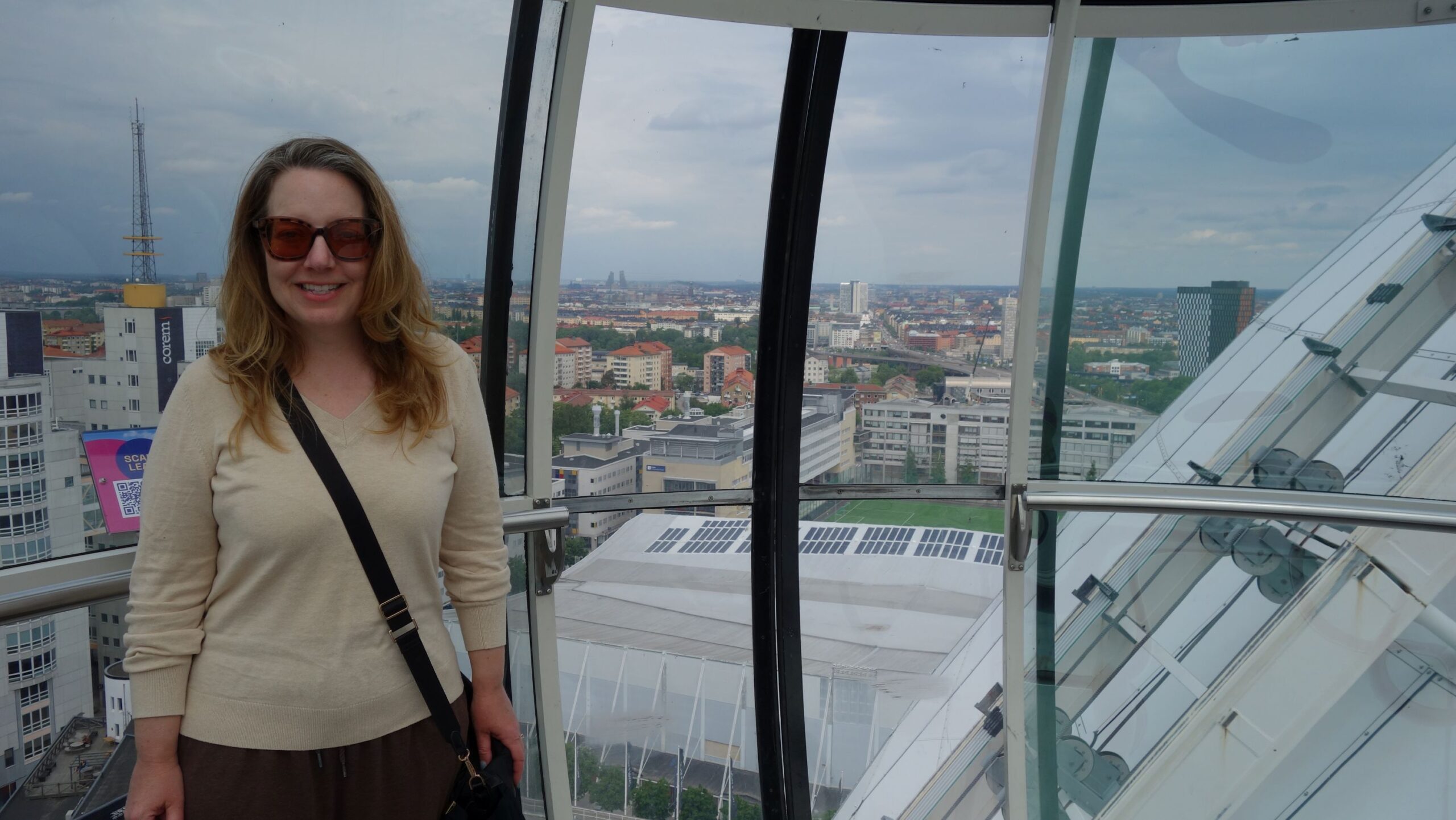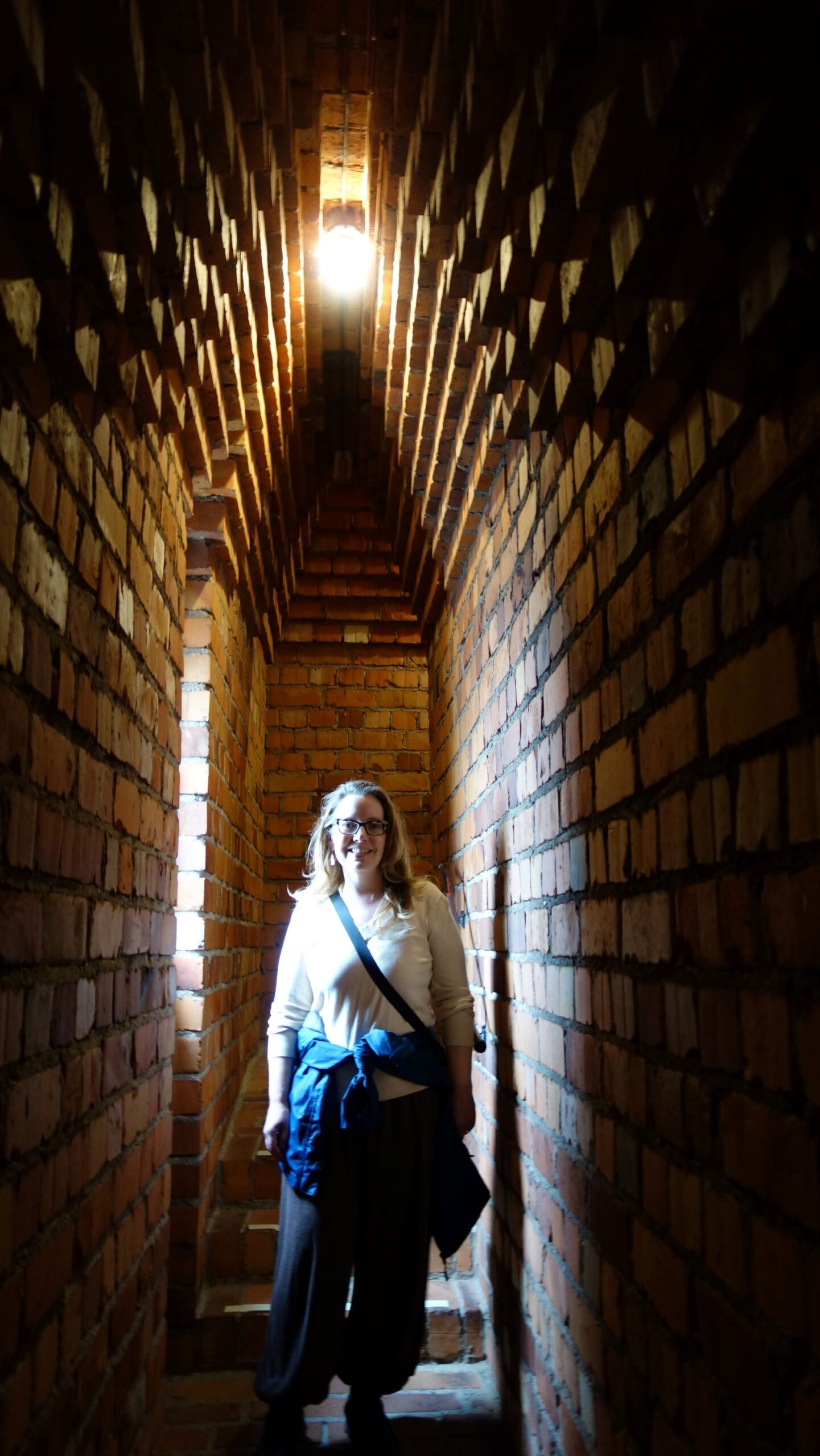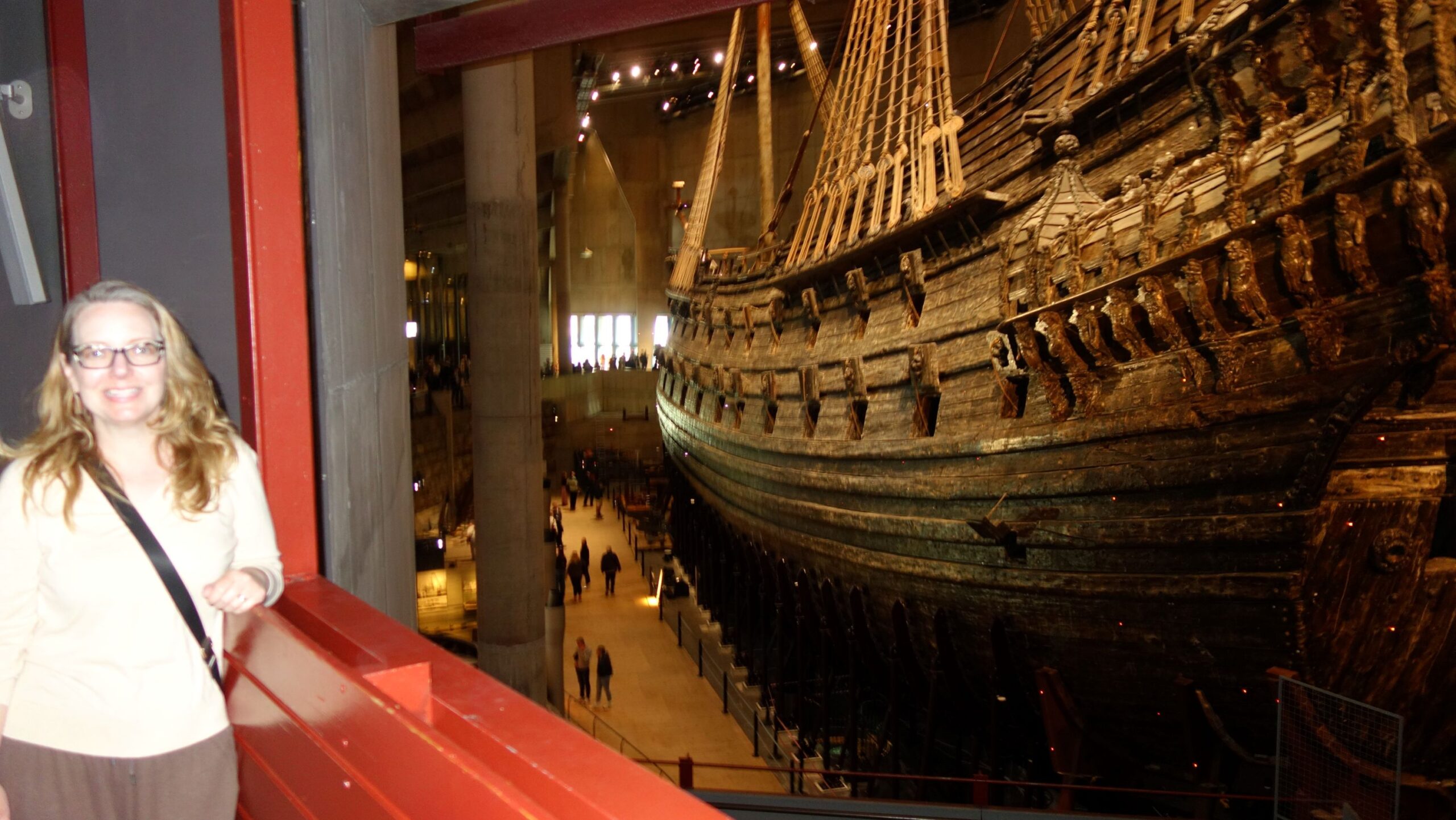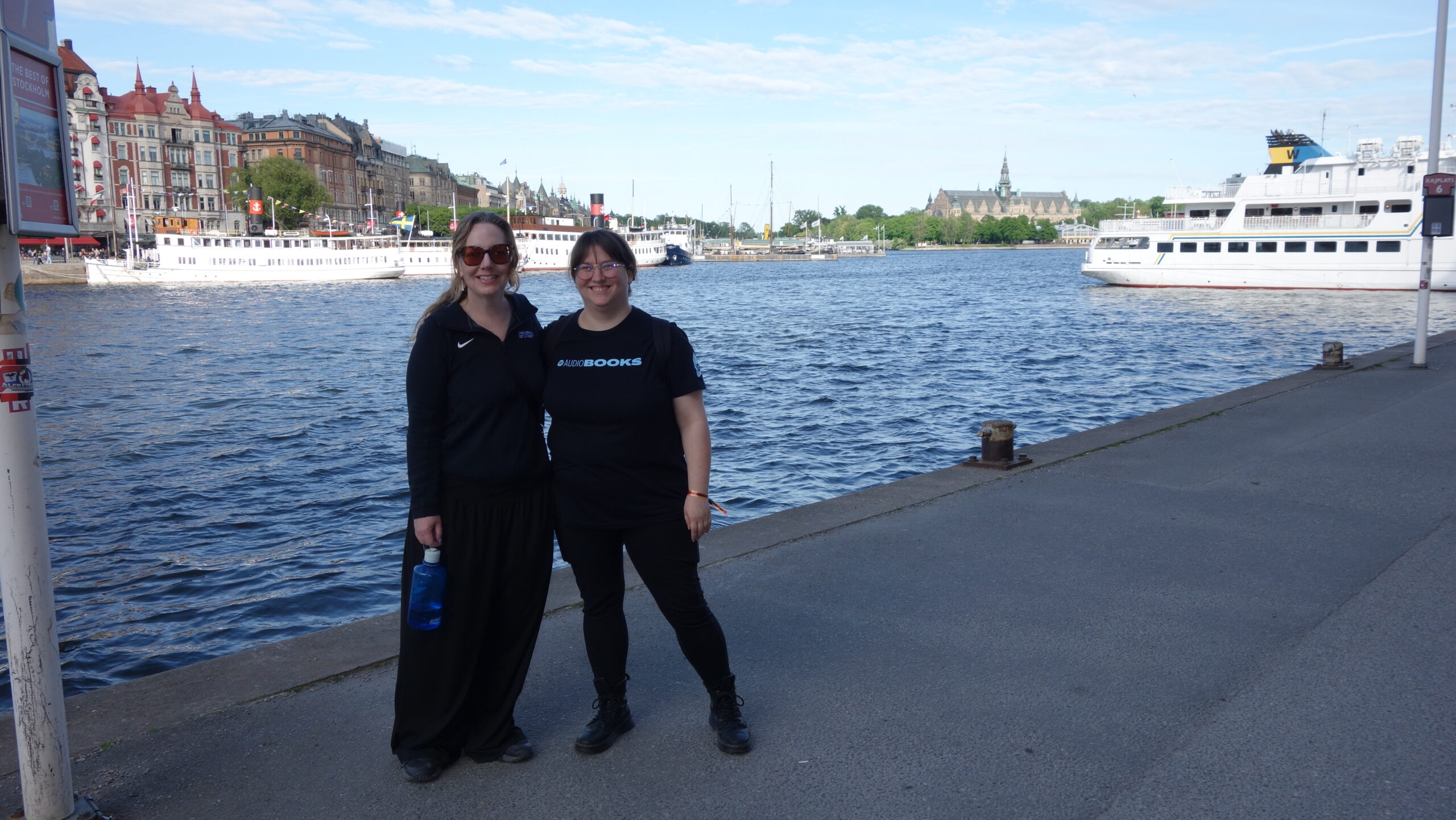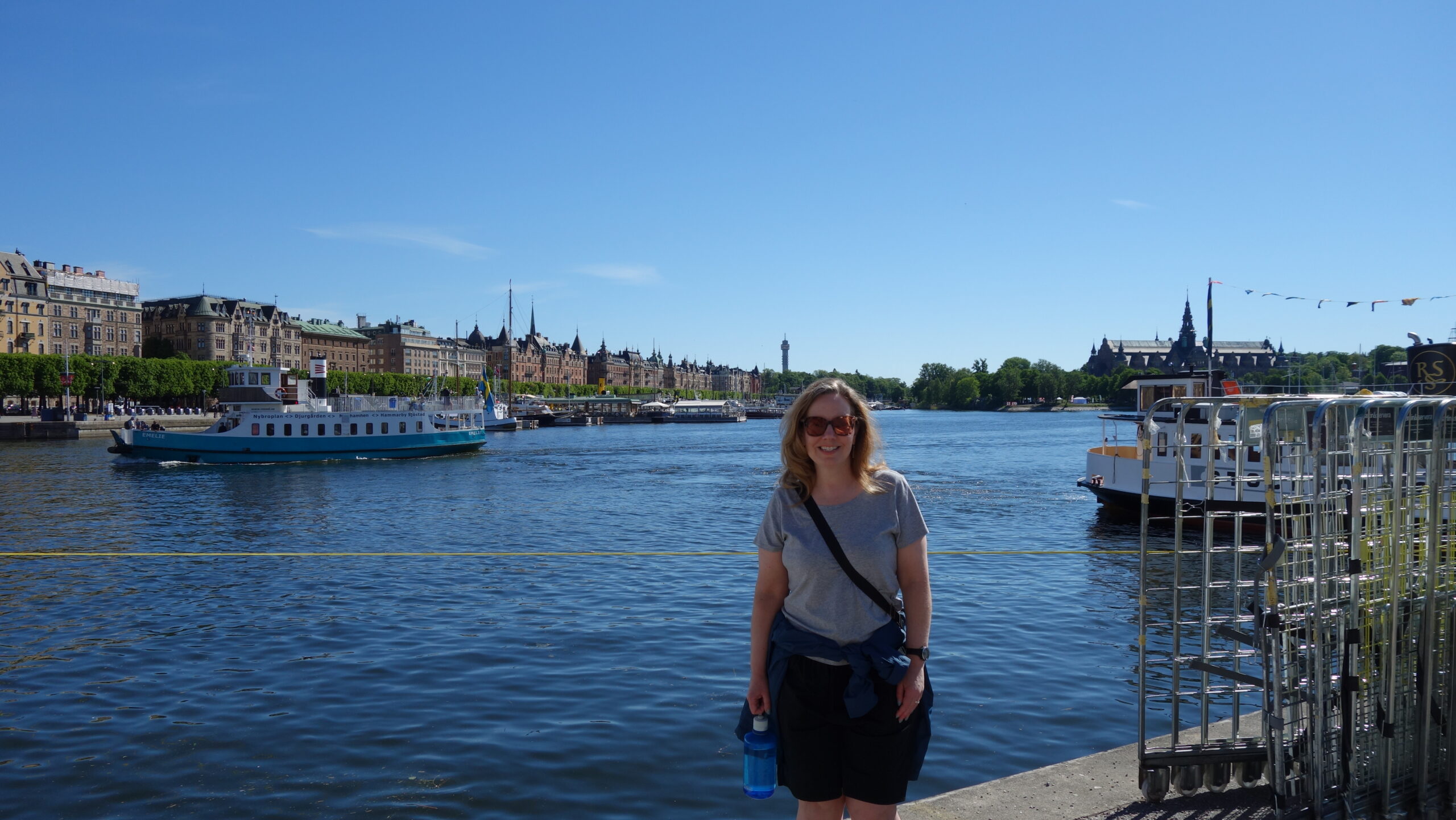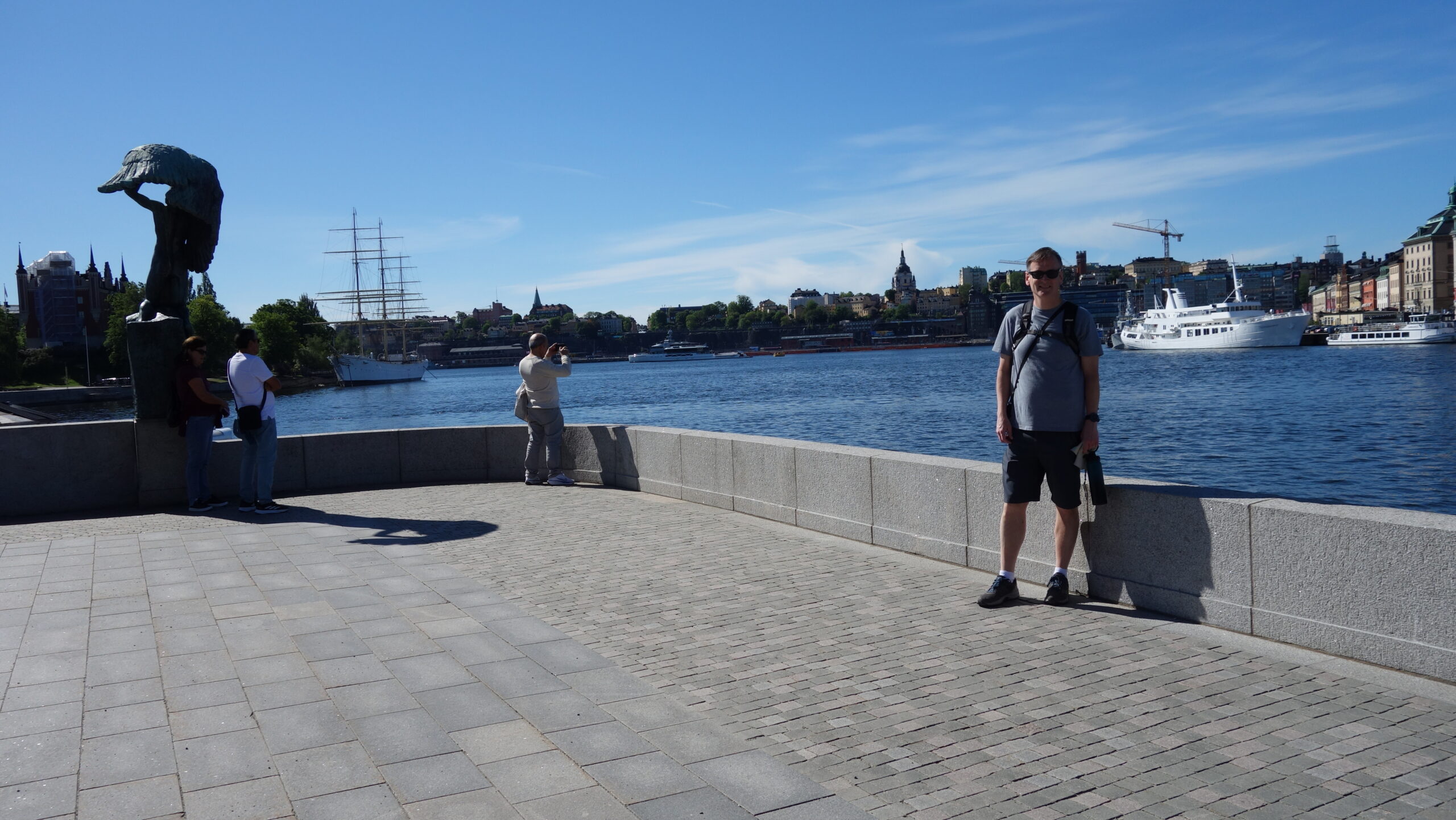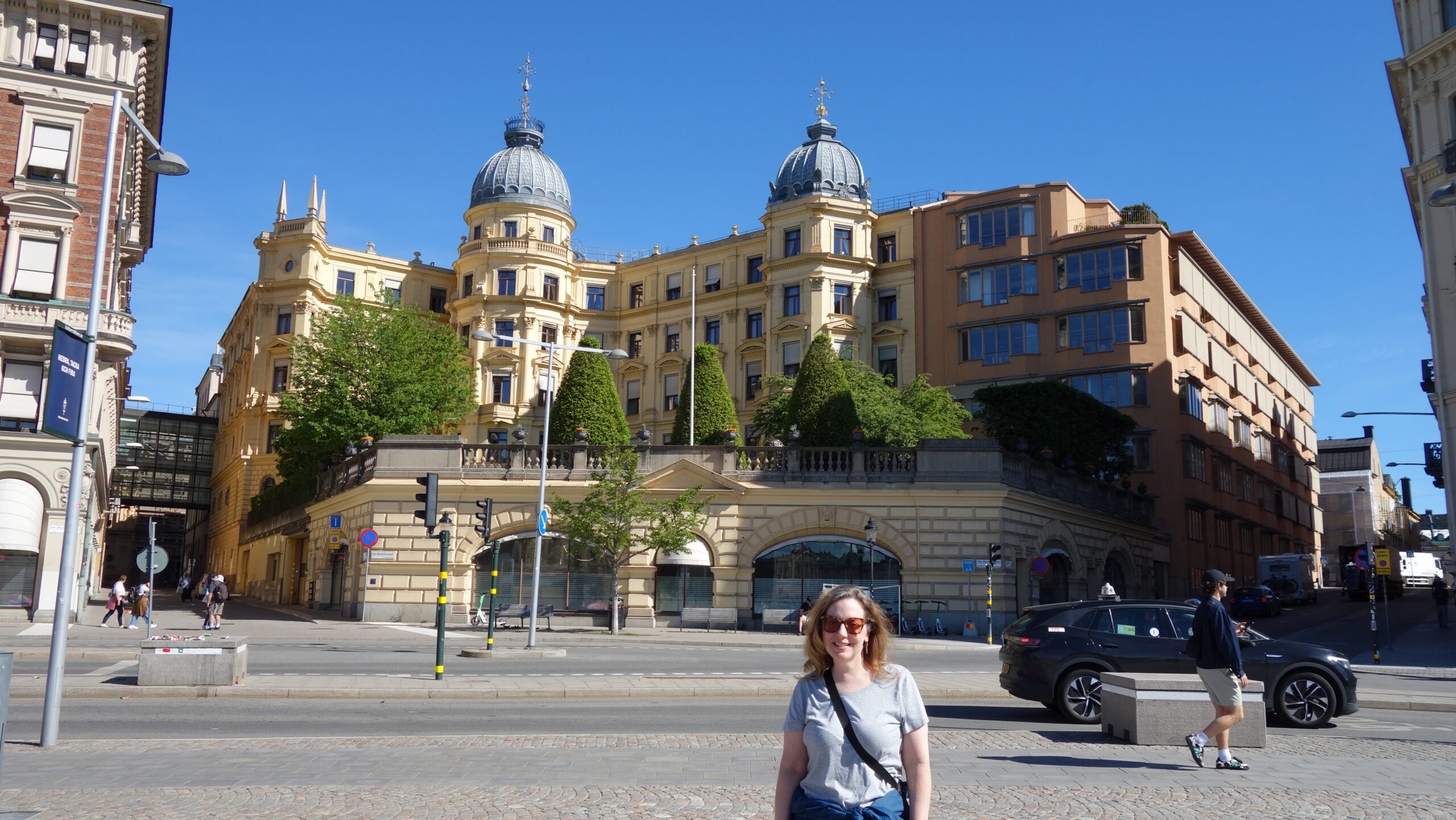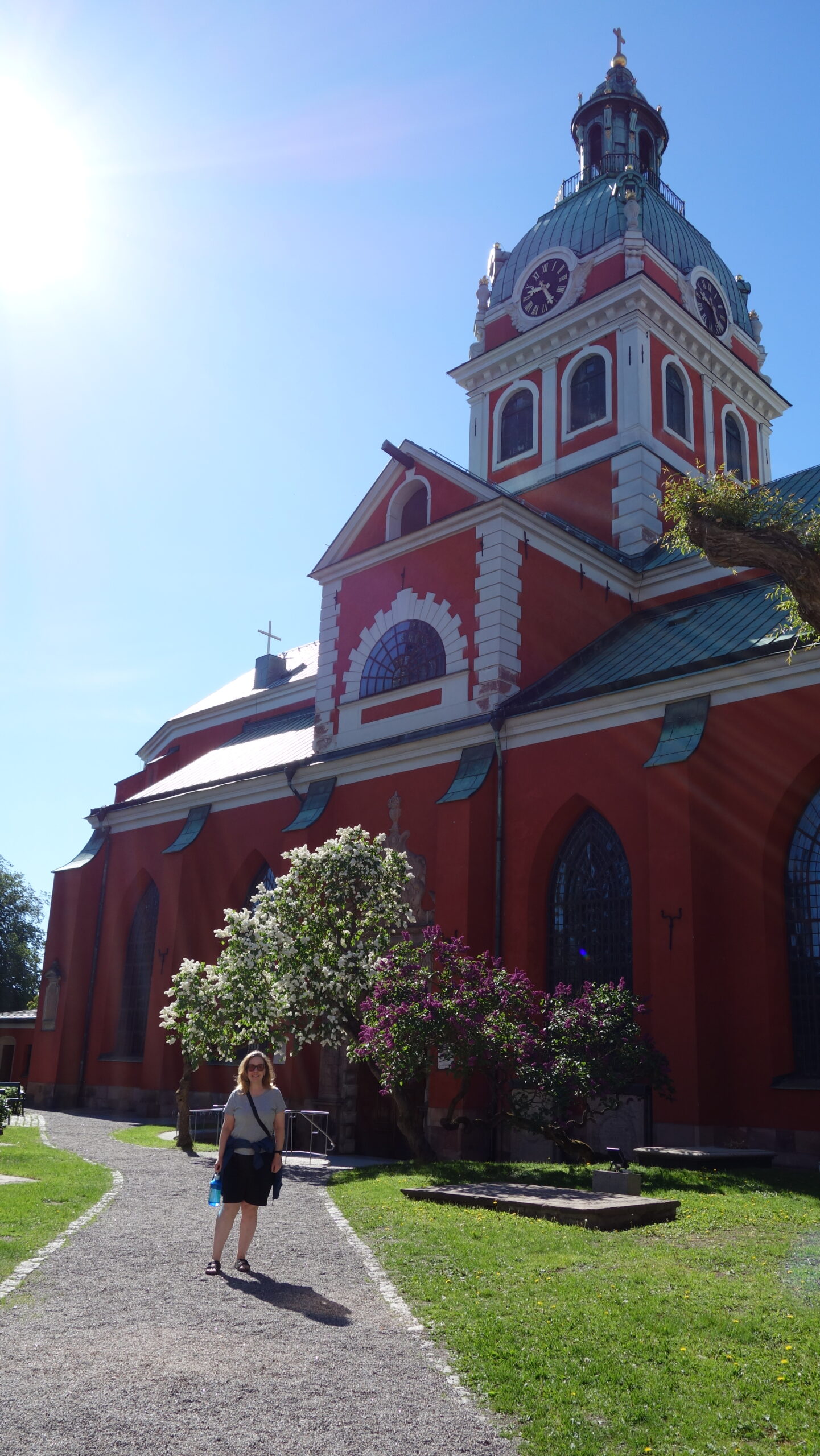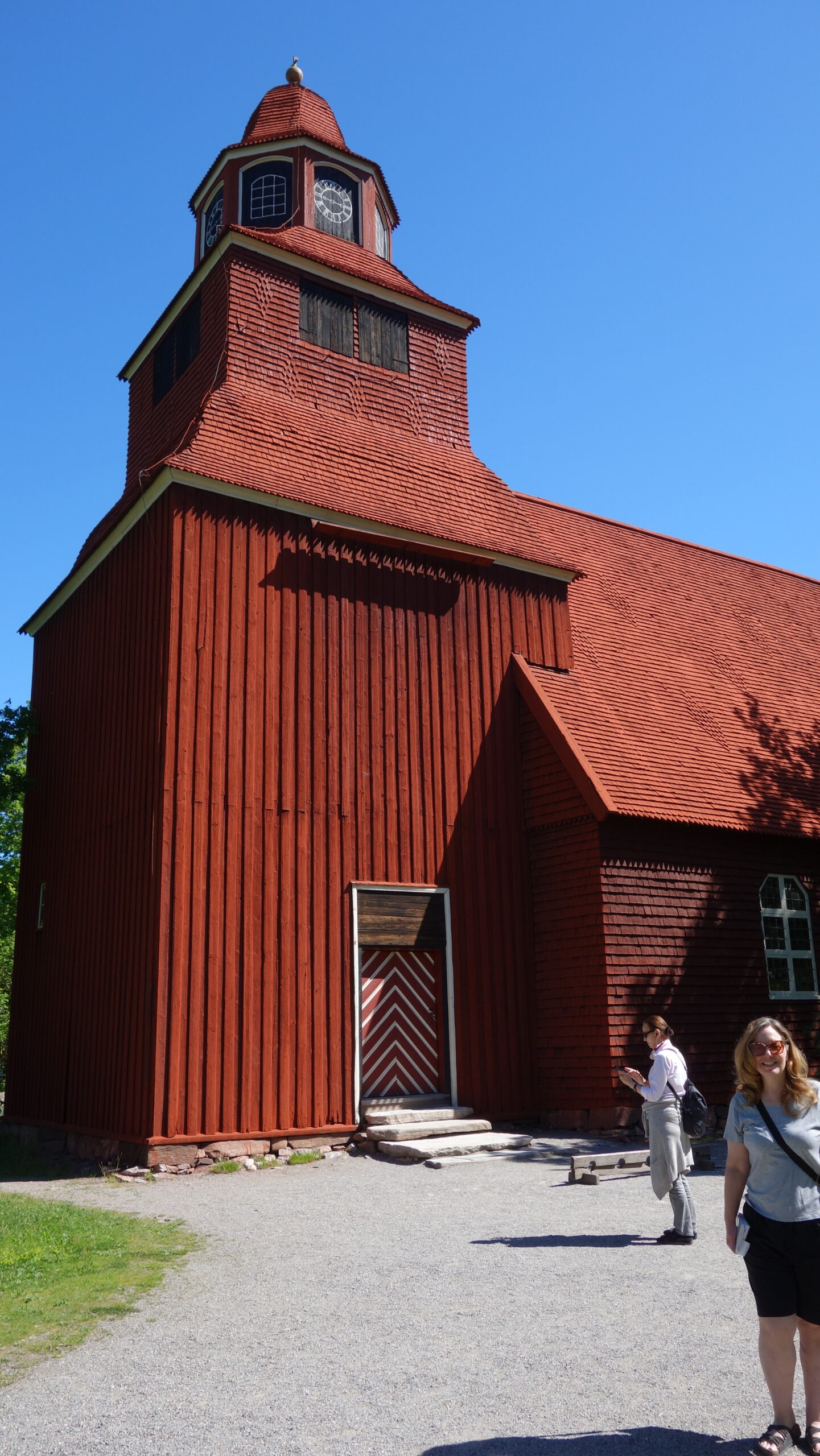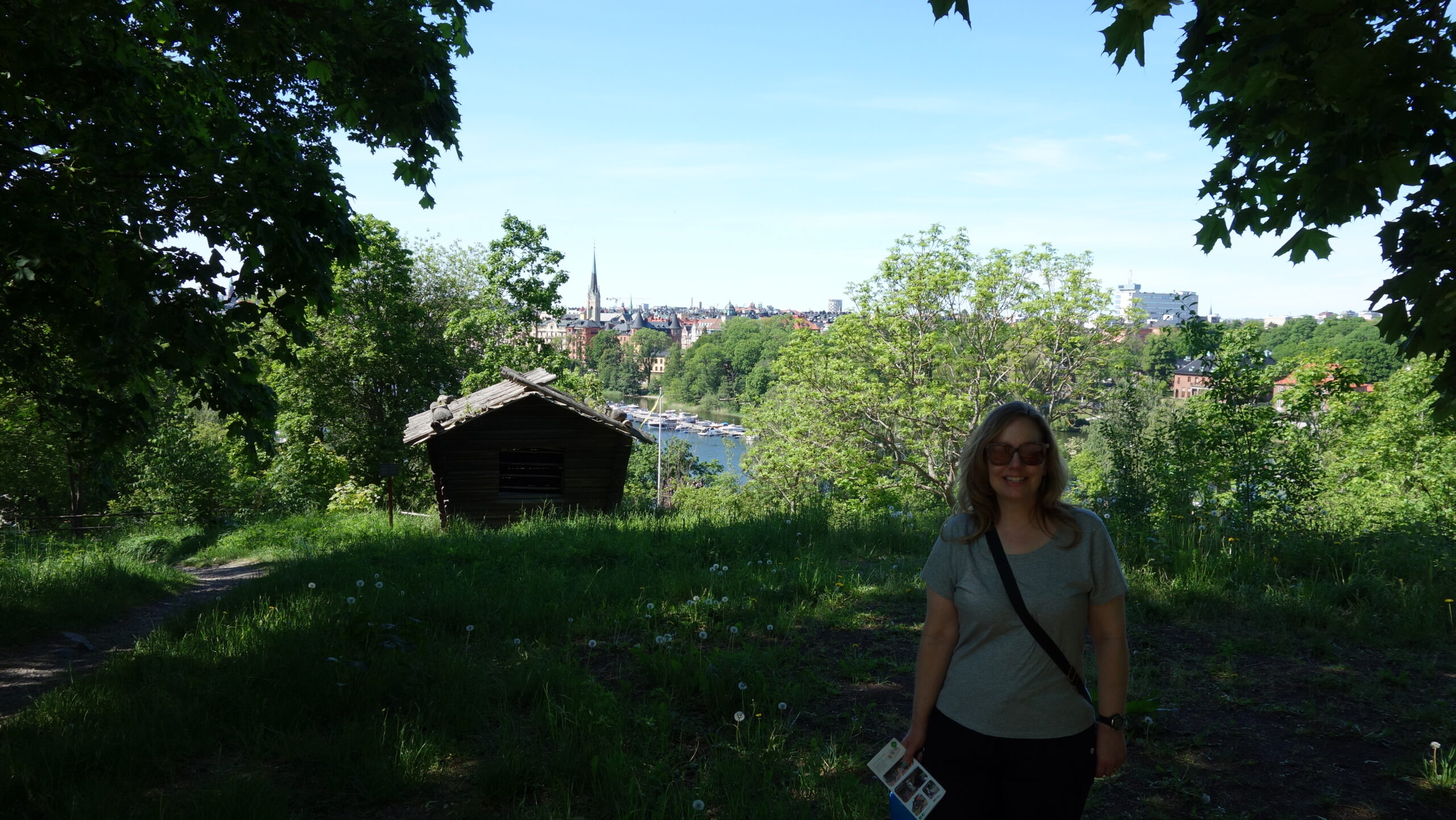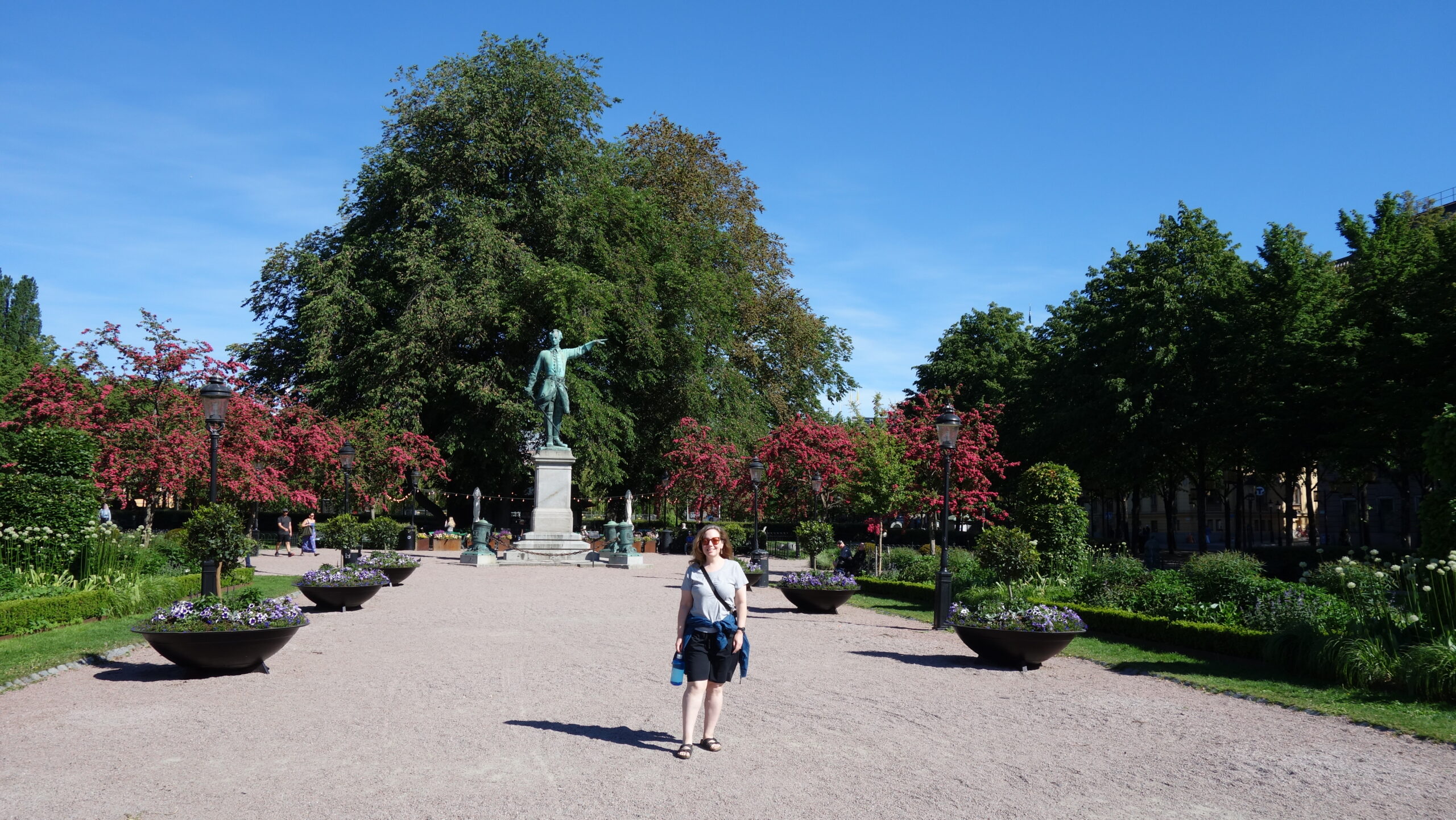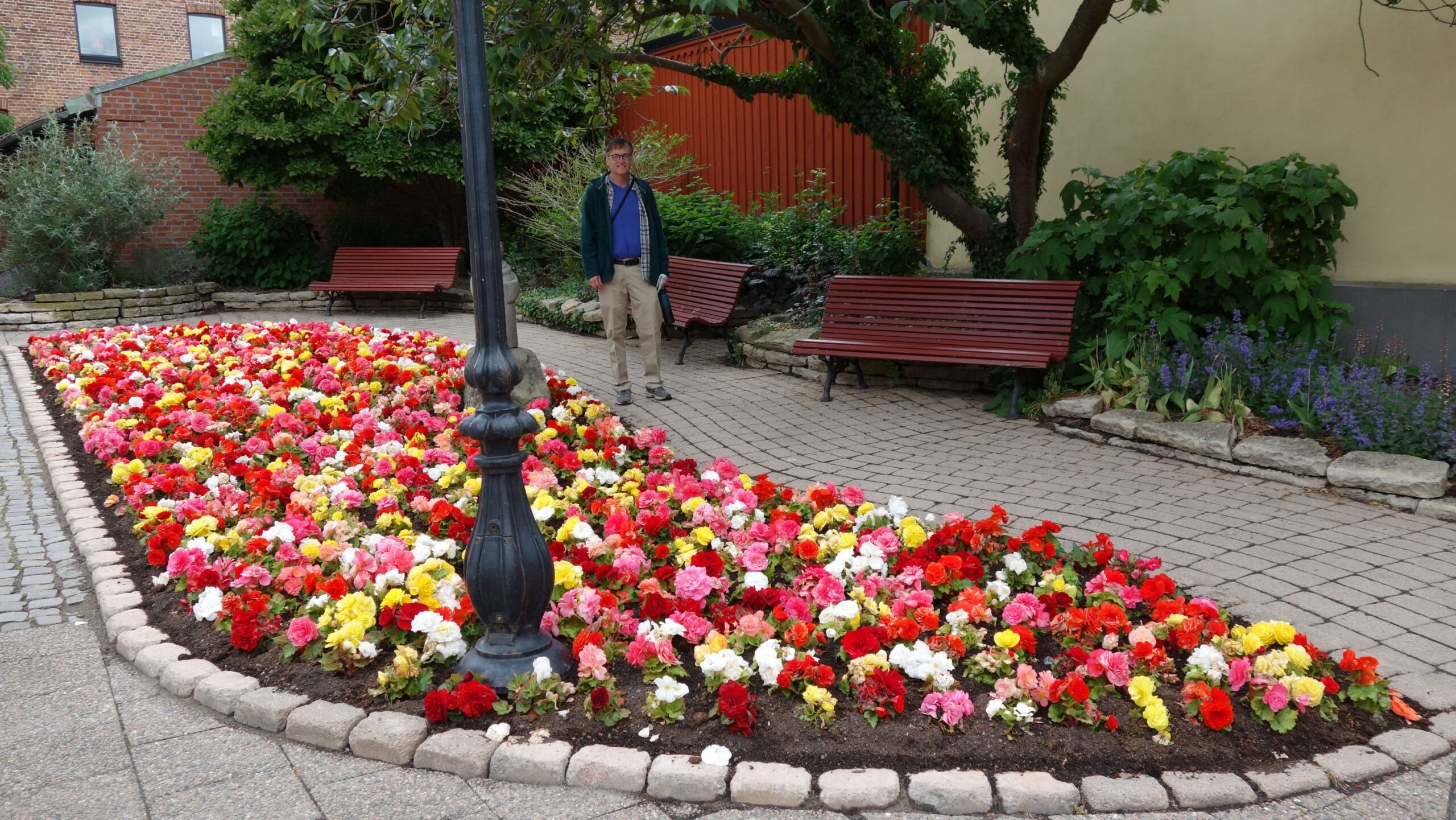
Italy 2026 – Day 4, Tuesday, Florence

Ahhh, Florence. What a city. I’m not sure there is anywhere that I know of that has more cultural bang for the buck per capita as this city. When, as one docent told me, “we have Leonardos in the basement because we have nowhere to put them,” then you have a wealth of cultural treasures.

The trip to Florence was fairly smooth. Money can buy time on vacation, so we sprang for the high-speed train to Florence from Verona, which cut ninety minutes off the travel time. We had a slight odd result on my travel phone that sent us to the wrong hotel, which delayed us, but we dumped our stuff at our real hotel and were ready to tour the town around 11:30.
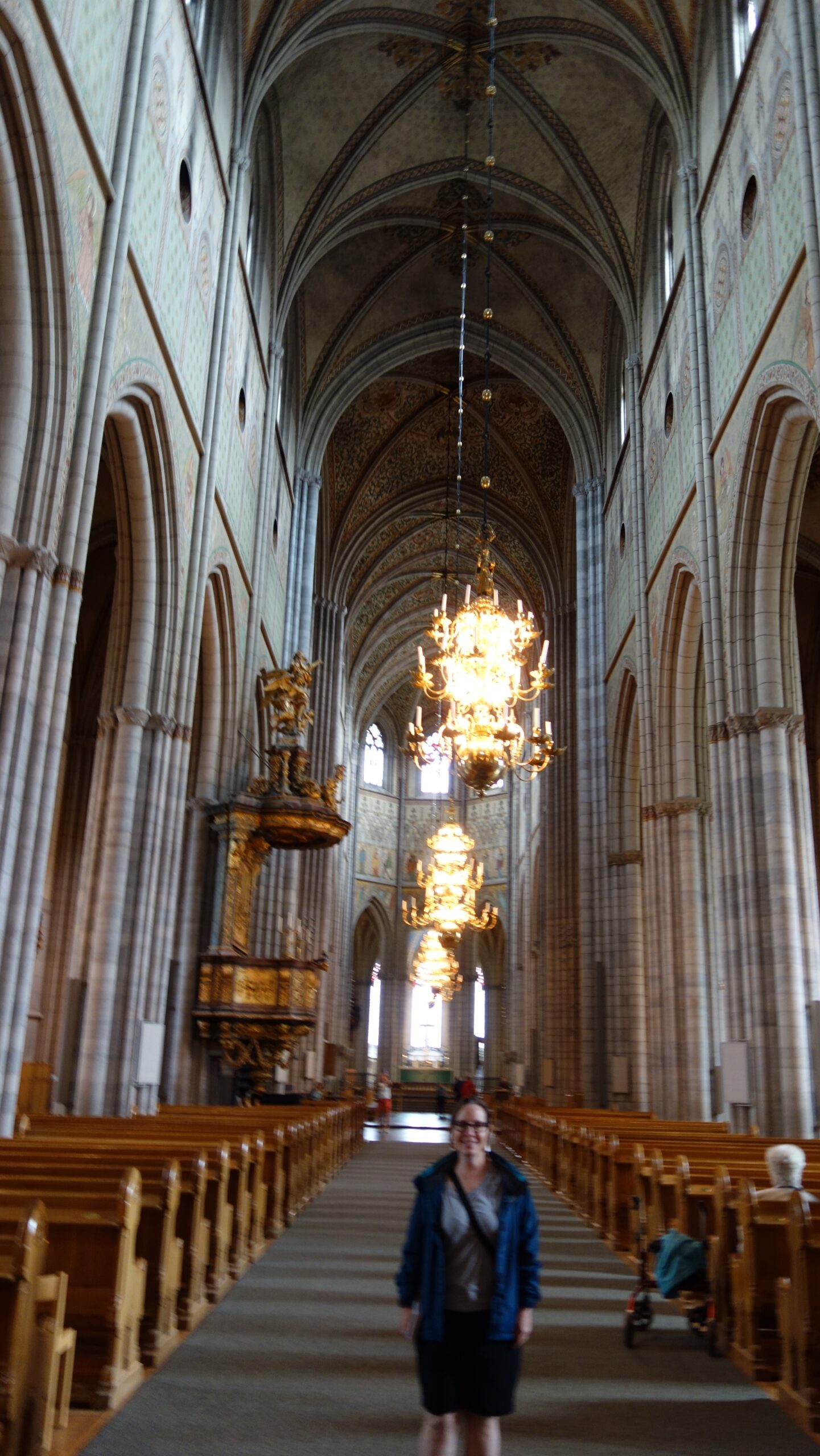
Neuf had expressed a desire to go to the Uffizi art museum. None of us other than Meredith had been, so it was a strong plan to start with. In looking up information on the museum, I saw that the old Medici private walkway above the city was still intact and open to the public for an extra fee at the Uffizi. That locked it up for me since I had wanted to see that for some time. We needed to tour the place.
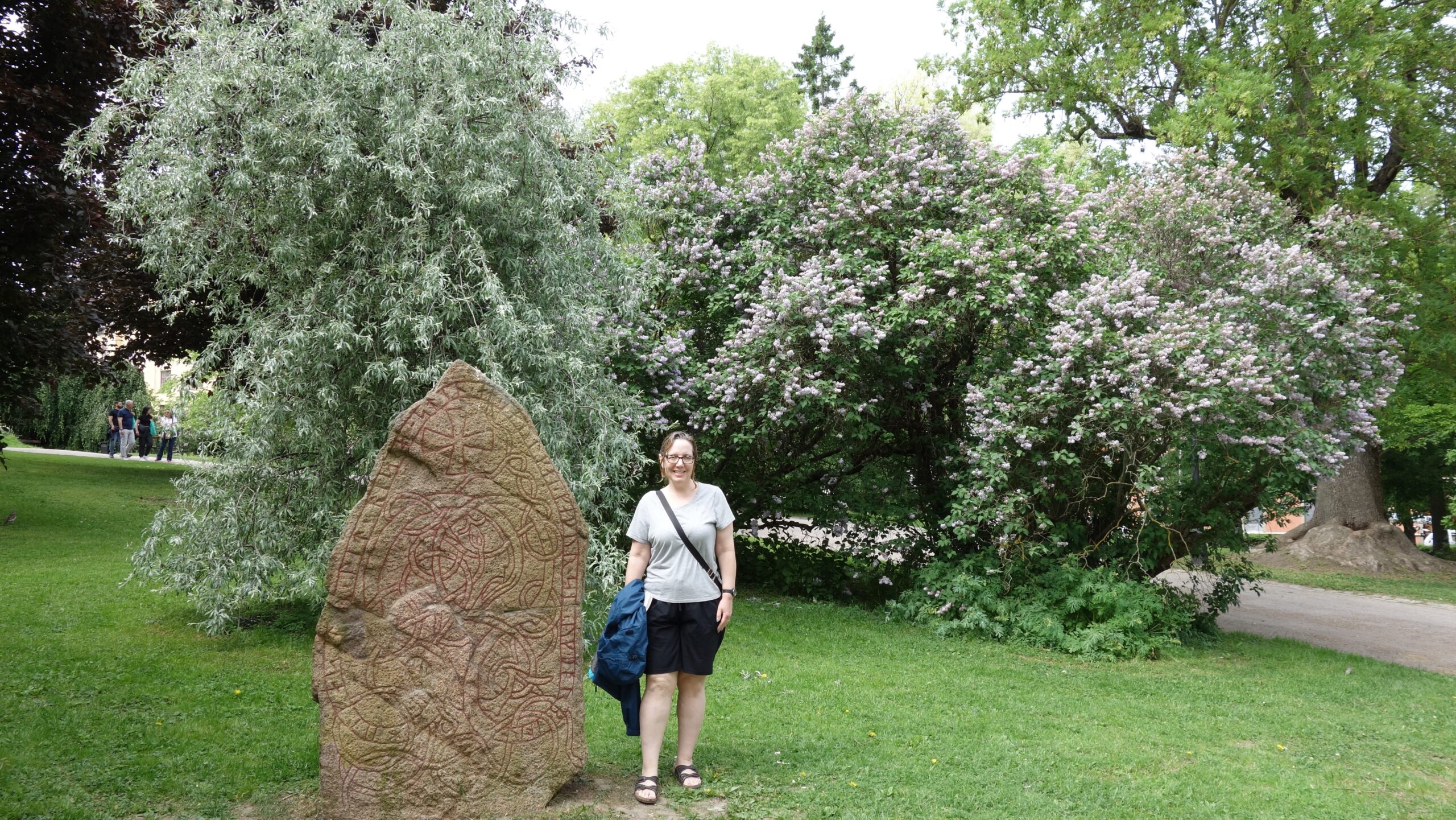
We walked from our hotel to the Uffizi by way of the Duomo, the magnificent cathedral of Florence. The place was a mad crush of people, but still impressive. I have no idea what was going on here today as far as drawing tourists in, but it was as crowded as I have ever seen in here in the center of the old city, and that includes being here in summertime. There were people everywhere.
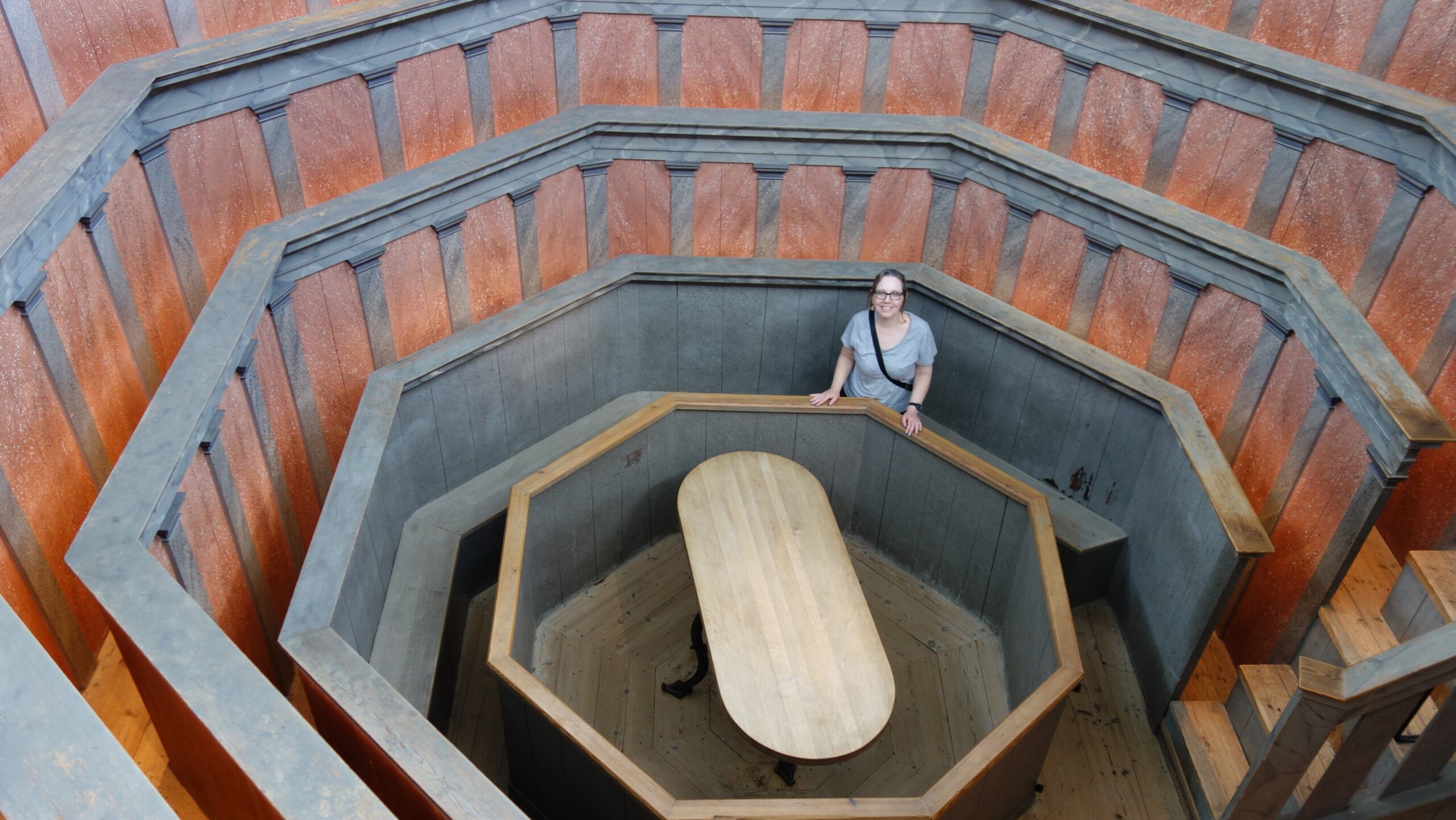
We walked on through to the Piazza della Signoria, home to the Medici fortified palace and a huge square filled with tons of sculptures that are all impressive, including a replica of the David, which replaced the real thing back in the 1800s after the original was moved inside to protect it. The square is also the start of the line for the Uffizi.

Our wait wasn’t terrible – it was about forty minutes for us to get in. Meredith’s guidebook had said the Uffizi only allows six hundred guests into the museum at a time, so there are no pressing crowds inside. That was mistaken fact number one. The place was very crowded for most of the galleries, including some that were so full as to make moving through them difficult. Mistaken fact number two from the guidebook was that the museum is small in size and manageable. We flew through the rooms, just looking around and reading almost nothing about the art, and in the two hours we spent in the galleries, we still didn’t see everything. To do the museum real justice would take six to eight hours.

The Uffizi has multiple works from three of the four Ninja Turtles, and has the art mostly displayed in chronological order, starting in the late medieval period. Seeing the art progress, especially treating the same subject matter (there were many Jesuses, Marys, and John the Baptists represented), was very helpful. Painting took a huge leap forward for realism in a short amount of time in the 1400s and 1500s.

The building itself was also a star. The main corridor that connects the gallery rooms runs the length of the building on two sides and is open the whole way. There are huge glass windows down the hallways, and they afford views of the city. The entire hall is lined with sculpture and hard-to-see portraits hung very high up the wall.

We had a 3:15 entry time to the Vasari Corridor, which is the mile-long city-spanning elevated hallway that the very rich and powerful Medici family had built in just five months. It allowed the Medici to go from their home to the Pitti Palace across the river without ever having to go outside and risk being among crowds of people. It spans the top of the Ponte Vecchio bridge and weaves along the rooflines and around towers of the town. It also gave the Medici family a way to go to church privately, since the corridor has a window opening to the interior of a church along the way. This family had means.

Fun fact about the corridor – in World War II, the Germans blew up almost all the bridges across the Arno to slow the Allies down. The Germans couldn’t bring themselves to blow up the Ponte Vecchio, so they blew up buildings on either end to block it. The Allies just used the corridor to cross the river instead. The Germans blew up the ends of the corridor as a result, and it was finally restored and opened to the public in the 1970s.

The corridor spat us out in a corner of the Boboli Gardens of the Pitti Palace, which I still very much want to see. We got to see a very small part of the gardens and palace on the way out. That dumped us very near a small square my brother had recommended, and we walked there to get a very late lunch in the form of gelato. My hazelnut was quite excellent, but I found the chocolate to have a slightly weird taste. Not bad, but unusual.

From there, we walked back across the Ponte Vecchio like mere ordinary people, and headed back to the hotel to regroup and get more clothing. The evening was all about enjoying the city for itself, and getting supper. We walked over to the church of Santa Croce, which I find to be a lovely church. It has the same green and white marble as the Duomo, but on a more human scale. Then we went on to walk along the Arno to the Ponte Vecchio, crossed over, wandered the streets a bit and shopped a little, and then got an excellent supper at a restaurant Meredith had remembered from her school days here back in the 1990s.

After supper was much the same – across the bridge, along the river, but then going to the Medici square to see it uncrowded and lit up at night. From there, on to the floodlit Duomo, and then on home.
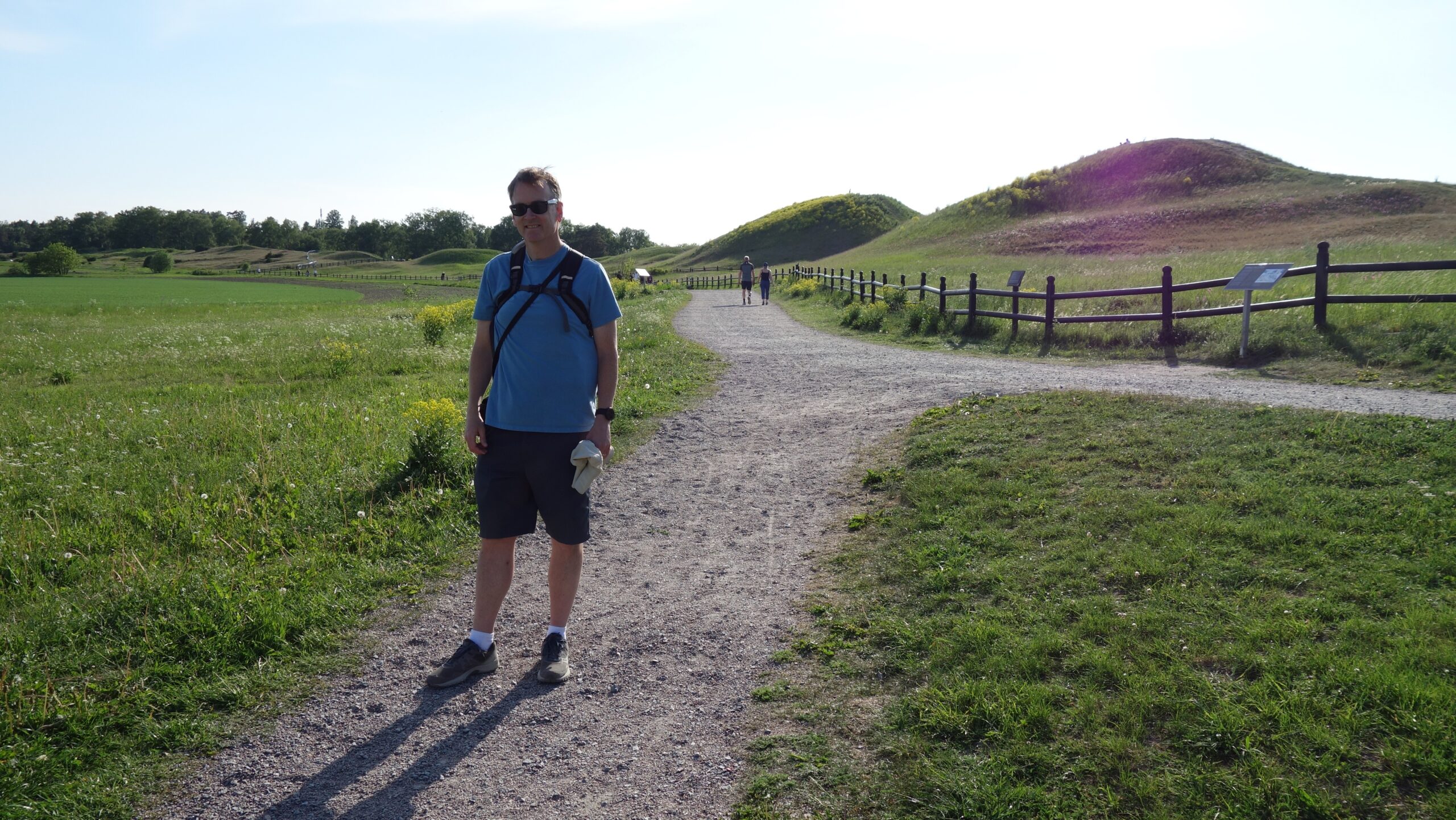
And so, after a long day of touring, I managed to knock two whole things to see from off my Florence list. That still leaves quite a few things yet to experience, but Florence is that kind of town.

Italy 2026 – Day 3, Monday, Lake Iseo to Verona

Sometimes, when you travel, you get treated to perfect moments of beauty. Mer and I went downstairs for breakfast at the hotel this morning, and the sun was brilliant, and the sky was clear. The mountains and lake were breathtaking. Neuf and Susan weren’t downstairs yet, so I went out on the veranda to enjoy the cool air and unobstructed views of everything. After a couple of minutes, Meredith opened the door. I assumed it was to tell me the others had shown up, but she kindly let me know that Andrea Bocelli was on the sound system. So I went back inside and heard his flawless voice singing his famous version of “Con Te Partiro” which even I, an apathetic classical music listener, love. That music and that view. Perfect.
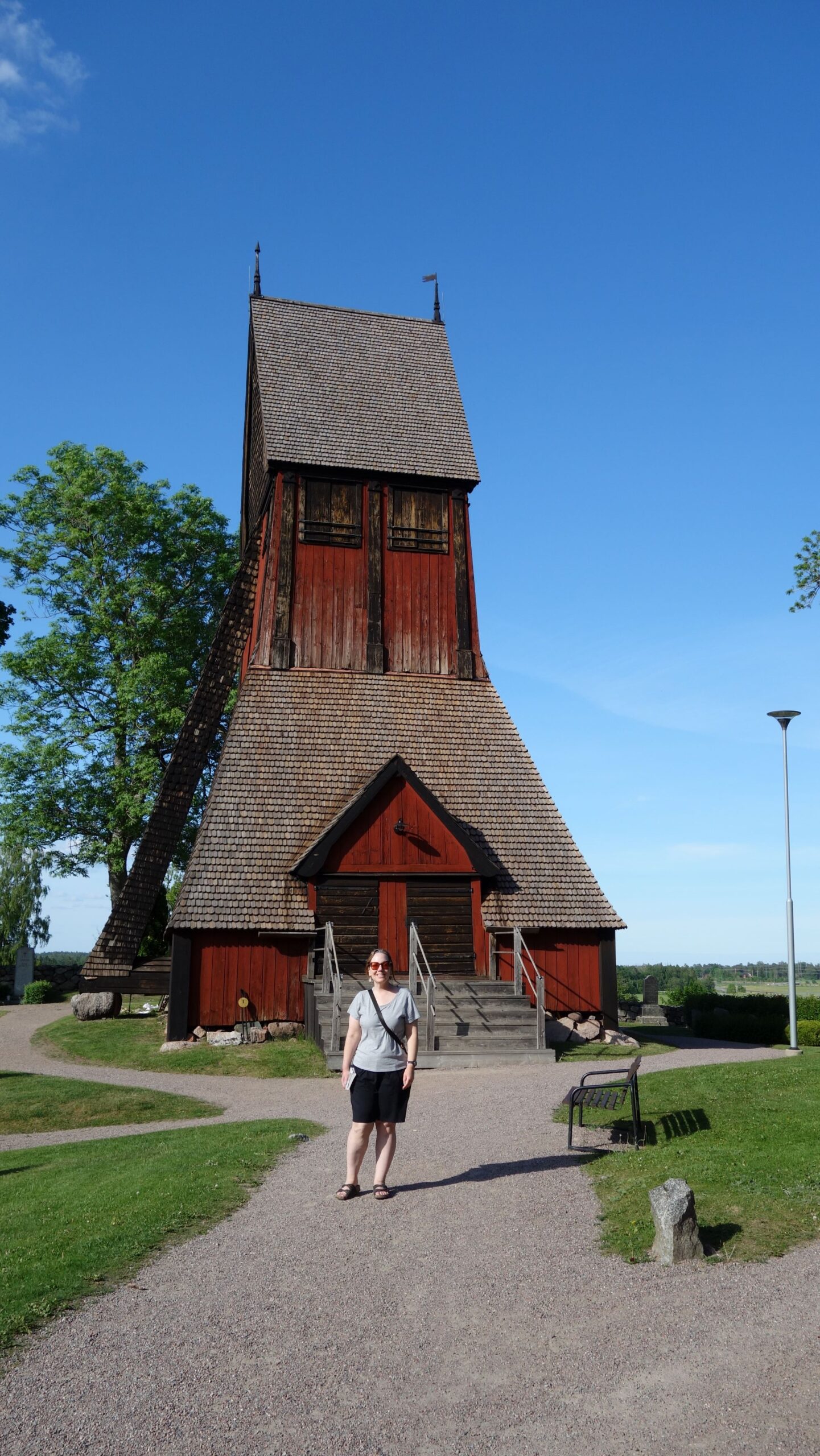
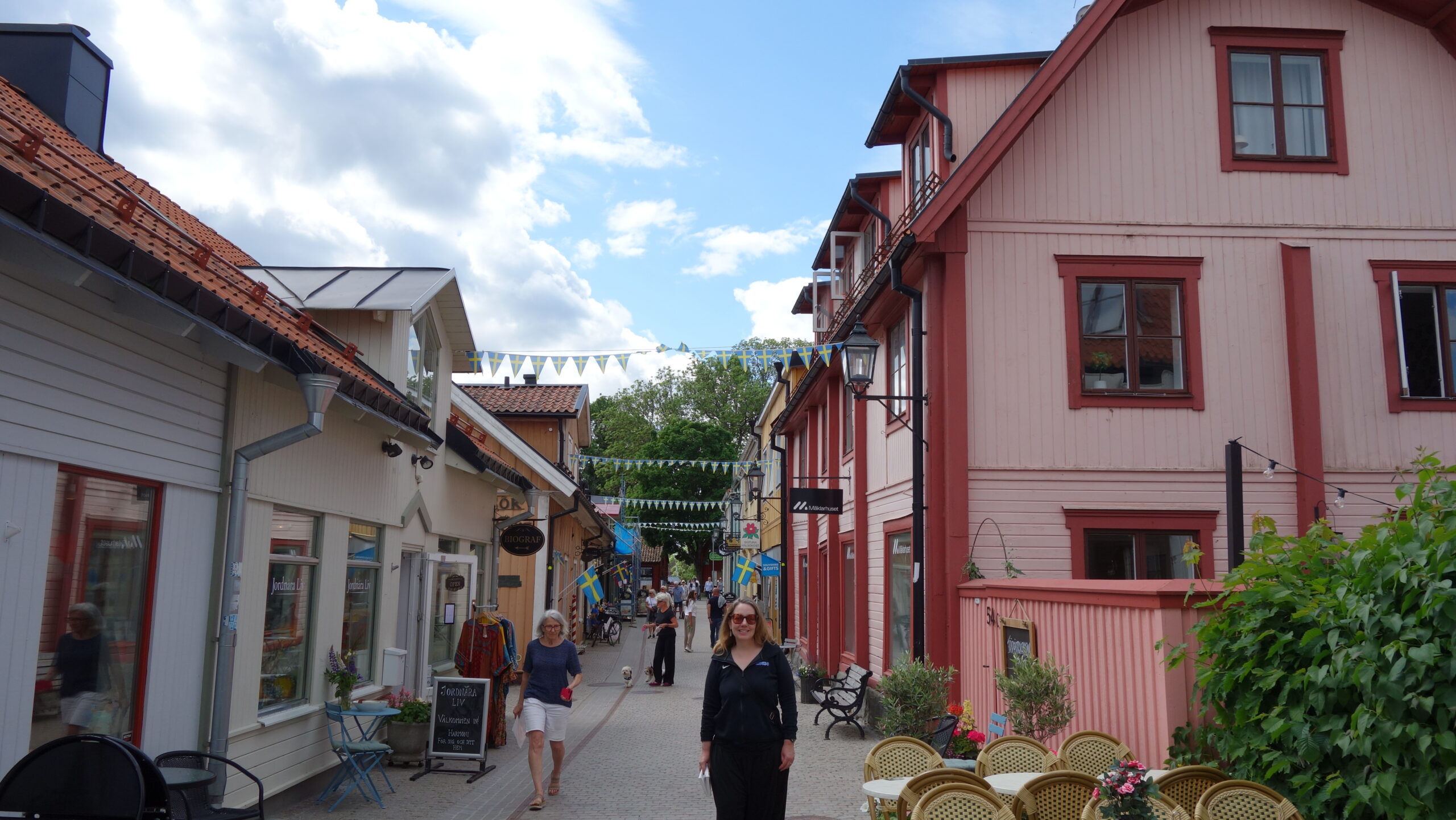
I got more mountain/lake time while the others finished their breakfast. I’m a fairly fast eater, and normally would hang out with the others, but the mountains called. What a place. All good things come to an end on this side of heaven, and so we checked out and walked down to the train station, where we found no way to get a ticket. Meredith asked around, and we were told to go to the tobacco place down the stairs. That was correct, and so we were off to Verona via Brescia.

One small hitch – we had somehow read the time table wrong, and in my case, that was even with Google’s help. We thought we would catch the 11:33 train, but it turns out that it only runs on weekends. So we had to wait for the very crowded 12:33 train and lost an hour of touring time (or extra sleep). This is the price we pay for my not wanting to drive on this vacation.

We got to Verona and got settled in our room and got headed out to tour around 2:00. The weather was perfect here, and we strolled along the fifteen minutes or so to the historic center, coming first upon Verona’s colosseum. My friend Dubbs very helpfully taught me that every oval arena all over Europe can just be referred to as a “colosseum,” except the one in Rome, which is “the arena in Rome.” (Note to non-Dubbs readers – this last sentence is one hundred percent bogus and one hundred percent sarcastic. It will cause Dubbs to have a fit.)

The arena isn’t open on the inside, but the structure is still intact and in use. In fact, it was recently used to close the winter Olympic games held here in northern Italy. We walked around to the far side into a pedestrian zone, and kept up our strolling pace until we got to Star-crossed Lovers’ Lane. We had come to see “Juliet’s house.”

Meredith and Neuf are both English teachers and both love Shakespeare. Back in the 1970s, a very smart tour guide started spreading the news that this balcony on the this house was the one Shakespeare had in mind when he wrote Romeo and Juliet. It’s a lie, of course, but the tale caught on, and now the tourist hordes come to look on the balcony and have a picture taken with a Juliet statue. Then they go into the thoughtfully tasteful library to hear lectures on Shakespeare and to buy leather-bound volumes of plays. No, silly! They buy magnets and t-shirts from the tourist trap store, of course. But – pilgrimage done.

We then walked on to the Piazza Erbe, a grand medieval square full of pretty buildings and a large market area. On the far end is the Palazzo Maffei, a former palace that is now a small but solid art museum with an eclectic collection of art organized by themes (like “women,” “men,” “landscapes,” etc.). We did the whole museum in about ninety minutes, and I liked the themed rooms very much. Some rooms had works separated by hundreds of years side by side because they treated the same theme. And, as part of the ticket, we were allowed up on the roof to look out over the piazza.

After the museum, we went and looked at the Roman gate of the city, and then went for a very late and light lunch (it was 4:00 or so). Thus refreshed, we just wandered. The Italians have a tradition of “passeggiata,” which is a see-and-be-seen evening walk. We did that, wandering around the pedestrian area, starting near the arena and up and around the Erbe area, and out to the river, and then stumbling into a cool palace courtyard on a whim, and then finding the same river on the other side of the old city center. We popped into a couple of stores as things caught our eyes, and we admired the finely dressed people and perfect window displays. The Italians do know something of style. We finished our evening walk at a pizza restaurant, and then we walked home, walking past an ornate brick castle we hadn’t seen yet.

Verona is a remarkable town. We saw everything Mer wanted to see today, and it was a great day, but we have left plenty of things to see and do the next time we’re in northern Italy. So much beauty, so little time.

Italy 2026 – Day 2, Sunday, Milan to Lake Iseo

Meredith and I have had the good fortune to travel a lot. In the last thirteen years, we’ve been to Europe twenty or more times, and had been several times even before that. We’ve been to well-traveled areas, like London, Paris, and Rome. We’ve been to less (American) touristed places, like Iceland, the Czech Republic, and the Baltics.  We’ve traveled by train and by car. We’ve stayed in hostels and beach resorts. We’ve seen and done a fair amount of things in Europe. We know what we’re doing.

Except when we don’t. That often corresponds to when I’m in charge.

Our hotel in Milan had a large breakfast spread, but it cost 15 euros per person (about eighteen dollars). That seemed really excessive to me for breakfast, and I figured we could do much better at a cafe or bakery. So we skipped breakfast and set off, using the Milan metro to go to the cathedral (the Duomo) in the old city center. We’d see a couple of quick sites, get some breakfast, and go to church in the Duomo, before going back to the hotel to then go on to Lake Iseo by train. A perfect touring plan.

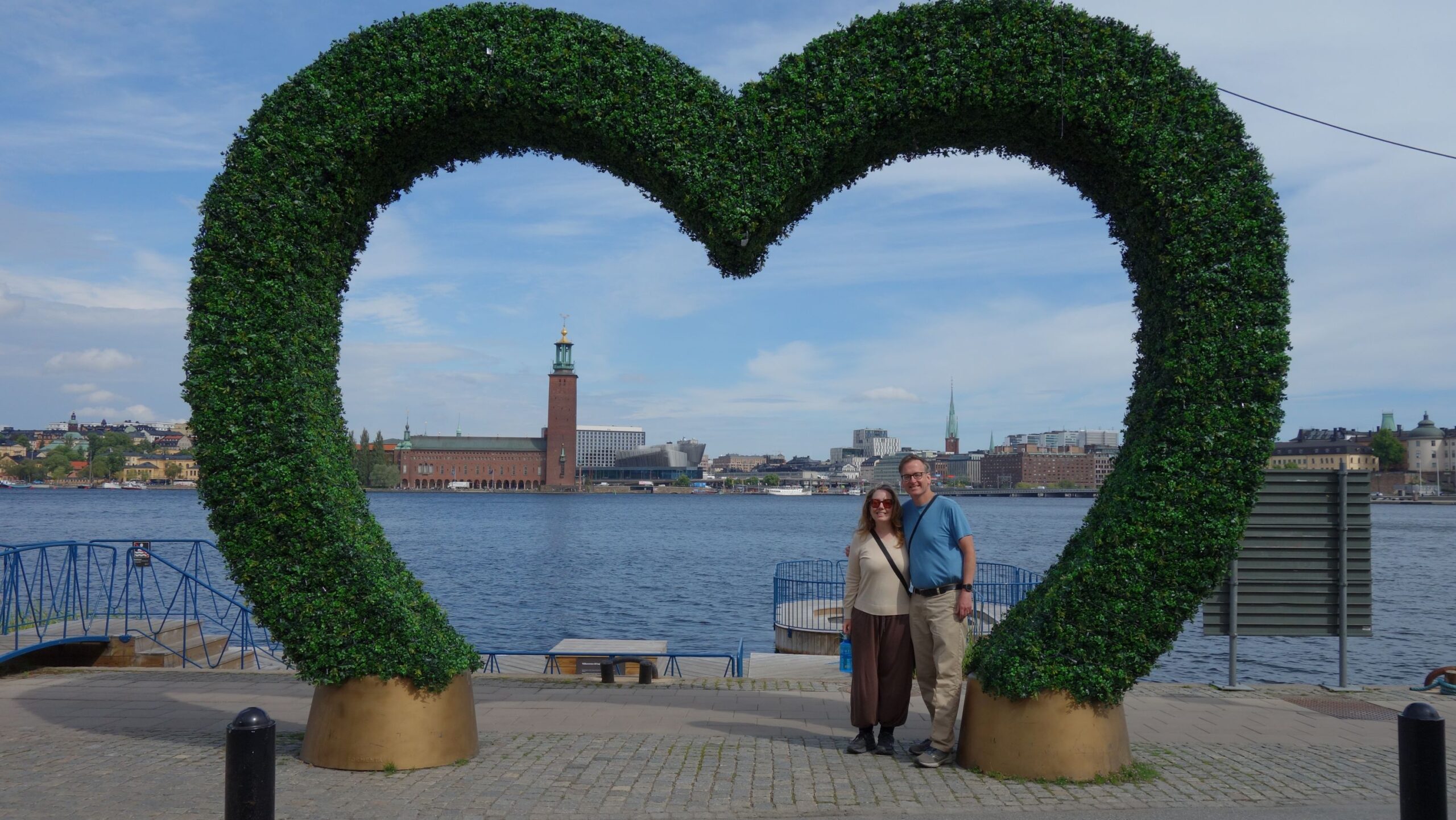
We got to the Duomo square and had the wonderful pleasure of coming up out of the metro station to be facing the front of the church. That is always impressive to do that at a major site. Many pictures were taken, and we enjoyed the early-day sunshine. We had a little over an hour before church started, so we went into the Galleria, one of the first shopping malls in Europe (opened in 1877), and a high-end shopping area now. It’s gorgeous, with beautiful ironwork and glass and mosaics. The window displays are all immaculate, including one huge sculpture made all of chocolate. We ooohhed and ahhhed over the windows, and then walked a few blocks to the small Piazza Mercanti, which had a covered market area, some fancy facades, and an old covered well from the 1500s.

On to breakfast! I had seen a cafe on the Duomo square, and I knew we’d pay for the view, but it was worth it. Several tables outside were taken, so we sat at the far end of the line of tables, where our view of the Duomo was blocked by a double-decker tour bus. But, being a tour bus, it would move soon, so we ordered breakfast. I got a ham and cheese croissant and a medium hot chocolate. The hot chocolate was huge, and was quite good. I was very pleased to be sitting outside, in Milan, in the sun, drinking one of my favorite drinks.

And then the bill came. My hot chocolate alone was fifteen euros. The same as my buffet breakfast at the hotel would have cost. The total bill was forty-nine euros, and for all of us to eat at the hotel would have been sixty. Ooops.

The tour bus never moved.

We did get to the church service, walking in a couple of minutes late. The mass lasted about an hour. Meredith had forgotten that the service would be in Italian and not Latin, so she understood most of what went on. I didn’t, but we were worshipping in a pretty place, and the singing by the cantor was beautiful in the cathedral space. Meredith informed me that the homily was on Jesus rolling back the rock of Lazarus’ tomb and asking us what our rocks are that need to be rolled away so that we have life in Jesus again. Interesting take on that passage.

After church, we swung by McDonald’s for a much-needed bathroom break (European cities are not great at public restrooms), and then we did go back to the hotel. We gathered our luggage and made our way to the nearby Milano Centrale train station, which is huge and elegant, in a fascist sort of way (built in the 1930s). We had some small trouble with the machine to get our train tickets (it wouldn’t take our credit card, and we had to use all of our cash to pay for them), but we succeeded and got to ride a high-speed train to Brescia, and then a regional train to Sulzano on Lake Iseo, across from the island of Monte Isola. Monte Isola is a pretty island that I wanted to see and hike around, which is why we ended up here today.

We got off the train at the station, and started walking to the hotel. I had found a hotel slightly out of town, about a twenty-minute walk away. I think it’s because we’re here in off season, but it was the only hotel I could find for us when I booked it back in December. No big deal – twenty minutes with luggage isn’t great, but we can handle that.

And then we turned off the main road onto a side road that went up. And up. And then got steeper. And then turned onto a steep section. All while we pulled and pushed luggage up the hill. It seems I need to look at topographical maps now when I book places. We were all winded, and I was sweaty, when we got to the hotel, but the views were pretty great. I decided that we would eat at the hotel when we got back. We needed to enjoy the view (even in the dark, the lights off the water are pretty), and I didn’t want to add an extra climb back up that hill.

We got settled and went down the hill, back into town, back to within a hundred yards of the train station, to catch the ferry to the island. Sigh.

Susan, who has never been to Europe, had other firsts today. She had never been on a subway, and then we got her on a high-speed train, and then on a ferry, all in the same day. The ferry only took five minutes, but it was a scenic five minutes. The lake is surrounded by mountains, including the view of a snow-covered mountain to the north. Monte Isola is impressive in its own right, with an elevation of over nineteen hundred feet.

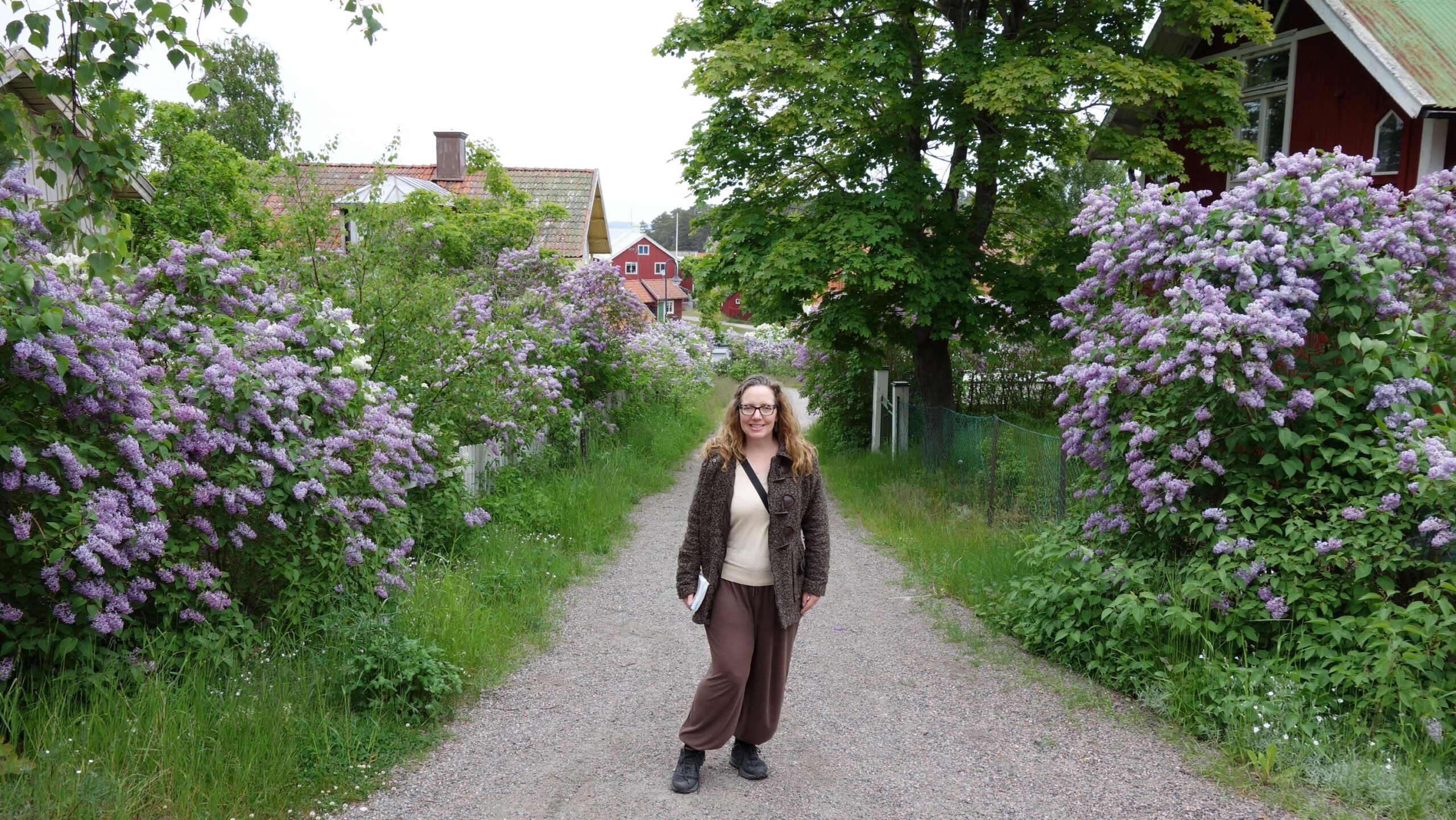
We docked in the village of Peschiera and disembarked. I had no set plan except to enjoy the sun and the scenery. We started walking along the small (car-free) road along the lakefront, but then I got distracted by a small alley that went up, so we followed that. It took us on a serpentine path up to the town church, which was built around 1500. The door was open, so we went in and had the place to ourselves. It’s not a touristically important church, but it was filled with good art and was of an impressive size. We liked it very much.

We kept following the road up, and it came to the town cemetery. We find cemeteries interesting, and this one was located in a gorgeous spot, with views of the lake and mountains. Island life seems to be good – there were numerous people who lived to be in their nineties. The cemetery was built vertically because of lack of open space, with family plots being more of family vaults built into walls. It was a peaceful spot.

The road kept going up, but I had wanted to stay along the shore, so we went back down to the shore road. We kept going west, with a small castle as the nominal destination. We stopped for gelato, of course, and ate it while looking over the water. We left the village behind, but there were frequent benches, and we used them once to rest. We stopped whenever we saw something that interested one of us, which included flowers, wild areas, changing views of the lake and mountains, and even an outdoor cat sanctuary. I suspect that a car-free island is a good place to be a cat.

We got to the next village and decided that the castle was a tad too high up to try to reach. That turned out to be a good decision, since the castle was another mile on and three hundred feet up. We turned around instead and walked back to the ferry, which only took about thirty minutes. We were tired, and it was well after 5:00, so we went back (up) to the hotel, resting a bit in our rooms before meeting for dinner at 7:00. After supper, we did go out and look at the lights on the water before retreating into the lobby to the welcome fire in the fireplace. March evenings are still chilly here.

It was a good (and mellow) itinerary for our first full day in Italy. Sometimes I do know a thing or two, but there’s always more to learn and see.

Italy 2026 – Days 0 and 1, Friday and Saturday, Pittsburgh to London to Milan

Late last summer, Meredith and I approached CVCA’s administration with the idea of planning and running a European trip for CVCA staff as a fellowship-building outing. We planned on going to London since there are direct flights out of nearby Pittsburgh airport, and the administrators gave us the go-ahead. We sent out an email, and there was some solid interest. When we needed to start collecting money for the trip, it ended up being our friends Meredith “Neuf” Neufeld and Susan Abramson. Susan had never been to Europe before, so that was exciting.

With a trip of just four people, it gave us some flexibility, such that when we found out that going to London was $750 and going to London and then on to Milan was $490, we asked Neuf and Susan if they minded changing the destination. They were game, and so our spring break Northern Italy trip was born.

Since Pittsburgh airport is only ninety minutes from our house, we decided to leave on Friday after work. That gained us an extra day of touring when compared to flying out of Toronto. We left the house at 4:30 and got to the airport around 6:00 and were in line around 6:30 before the counter opened at 7:00. And we saw two CVCA students and their parents who were on our flight to London, on their way to Spain. Of course.

We boarded the plane, and then we got delayed ninety minutes because of lightning in the area and then because of a malfunction in the pump of the fueling truck. That trickled down to our missing our scheduled Milan flight by about fifteen minutes, and we had to wait for four hours for the next flight. That all went smoothly, but did mean that by the time we got to our hotel, it was bedtime (around 9:00 pm). We were determined to do something Italian, so we got a gelato (ice cream) store recommendation from the hotel clerk and walked the three blocks to get Italian ice cream. Score one for the tourists.

This vacation ended up being ambitious, with our moving to a new location every day. There’s too much to see in Italy. Tomorrow, we’re off to the northern Lake District, but we hope to get some Milan touring in at the end of the trip. Now, we can finally get some sleep in a real bed after thirty-six hours with only some fitful naps on the plane.

Portugal 2025 – Day 7, Saturday, Lagos and Carvoeiro and Lisbon

Our last day of touring arrived today, and I woke up feeling pretty good, just in time for long travel days and work! Yay?

We have a very early flight tomorrow (Sunday), so I knew we needed to be in Lisbon by 6:00 or so to give us a chance at getting some rest before a long day. With the drive to Lisbon factored in, that gave us about five hours for sights and lunch. We started with the short and familiar drive back to the Lagos harbor area, to explore the old town using the Rick Steves guidebook walk as a guide.

We crossed the river/canal over to the far side, and walked to the main square of the old town to start the walk. The old town is a happy maze of black-and-white-tiled streets, and we enjoyed strolling down them. Mer even managed to get sucked into a demonstration of a small plate that has a rough surface used to grind things (like garlic). When she saw they had one that matched some plates we have, she actually bought something. Now we have something to declare to customs.

Our boat guide yesterday, George, had strongly recommended seeing St. Antony’s church in town, saying the gilded altar is a must-see. The only way to see the small church was to get a ticket to the town museum, which was an eclectic collection of weapons, portraits, landscapes, religious items, and more. We went in, and while we didn’t linger because of time constraints, we did enjoy seeing everything (and we made sure we saw it all).

The chapel was the highlight. It wasn’t very large, but that didn’t stop the decorators from covering every surface with decorations, and then covering all the decorations with gold color. I’m not sure if it was all gold leaf, but the altar was, and it was really impressive. It shone with a warm glow. It wasn’t subtle at all, but it did get the idea of “glory” across pretty well.

Back out on the street, we headed toward the bay. We wanted to see the inside of the newer church, St. Mary’s, but it was closed until noon for a private ceremony (we hoped it was a wedding). So we passed through the square that was being set up with Christmas decorations and fair booths, took a quick peek at the portico area that was where slaves were sold starting in the 1400s (and that was more recently turned into a museum dealing with slavery), and popped out of the old town to go see the old fort (from the 900s in part) and the new fort (1700s). The old fort was the city walls and the old Moorish gate, but you can’t climb up on them now. They were still striking. The new fort, which you can climb up on, was closed, sadly. So we walked down on to the beach.

The Lagos beach was as striking as many Algarve beaches – tons of sand, and even some pretty fun rock formations to see. We had to go through a couple of tunnels to get to sections of the beach, until we were blocked at a tunnel by the tide being too high. We turned around and plunged back into the old town and found St. Mary’s open.

In contrast to St. Antony’s altar, St. Mary’s is modern, colorful, and (if I’m allowed to say it) tasteful. There is a sculpture of a crucified Jesus, including blood running down the cross from his feet, and that wasn’t unusual in a Catholic church. The thing that caught my eye and made me sit down to contemplate it was that there were angels and the Holy Spirit painted behind Jesus in a subtle, modern, almost cartoonish way, and it really worked. There was nothing childish about it (maybe childlike), and I very much liked it.

After St. Mary’s, we got lunch outside at a cafe on a side street that looked down on the church. It was a great lunch, both for location and for the food – we were there on a Saturday, so we could get weekend-only cinnamon rolls. After lunch, we made the walk back to the car and bid a fond farewell to Lagos. It was a fun little town to be based out of.

The day was still too nice and too early just to head to Lisbon, so I decided to try to check out the Algar Seco rock formations in Carvoeiro, a smaller village right on the beach between two extended cliffs. We had seen some great rocks from the ocean yesterday, and I wanted to see if we could clamber about them.

Carvoeiro is sort of on the way back out of the Algarve if you are headed to Lisbon, so that worked well. I figured we would have an hour or more to explore. Of course, it ended up being closer to two.

We parked the car at the top of the cliff and saw the boardwalk running along it, so we headed that way. We found an entry, but it had a sign showing that it was only about four tenths of a mile long, so I thought we should go to the west end and walk east. Once we got to the west end, Mer said she thought the town below us was the cute town of Carvoeiro we’d seen from the boat, so I added that to the impromptu itinerary.

We walked down (and down) to the beach area, and walked out on the sand to admire the cliffs. We used the ever-convenient public restrooms Portugal has so thoughtfully provided, and then we went back up (and up) to the start of the boardwalk. We wanted to see what a little park-looking area in front of a chapel was (a closed children’s park, it turned out), but that helped us to find the beautiful paneled doors of the chapel – many colorful, somewhat-abstract sketches of scenes from the life of Jesus and Mary. It was a good sacred art day today.

The boardwalk started well, with wide walking platforms and grand views out to sea. There were side platforms where you could sit and contemplate the ocean. The walking wasn’t difficult, and I was pleased with the choice to come here.

And then the first major rock formation hove into view. With stairs leading down to it. And stairs and paths carved into the rock. I was giddy. Mer and I climbed down, having to go through a tunnel to get to the rocks, and then we scrambled all around, poking about in caves and on top of hollows that sometime will become chimney holes to the caverns below. We perched on top of high rock formations, and kept finding more stairs and more paths, and every new place had new views and fun places to explore. It was wonderful.

After we looked all about there for a long time, we finished off the boardwalk, which finished with another rock formation. We debated a bit on the time, and decided to check it out anyway. I’m glad we did. The stairs led to a tunnel that led to a small cave that had two small “windows” that looked out on the ocean. We got to wave to a tourist boat. It was like a small rock living room.

The other side of the rock formation didn’t have a cave, but it did have a collapsed chimney/canyon that let us see down to the low-tide ocean. It looked as if at high tide that the water might make the cave area look like a long and narrow pool.

And that finally wrapped up our tour. We headed north toward Lisbon, on an efficient but dull highway, getting to our hotel at 6:00 pm. We had a light supper here at the restaurant just for ease, and now we just need to get up in time to get to the airport by 5:30 am or so.

Other than my being sick for several days, this has been a great trip. We had great weather on six of seven days, and the one rainy day came in a town (Evora) where there were some good indoor options available. We were both very impressed by town walls and wide beaches and towering cliffs and friendly people and lots of kitties. Here’s to hoping we can come back to Portugal to finish off the country’s regions by seeing the north.

Portugal 2025 – Day 6, Friday, Lagos

The amazing gem of southern Portugal is the coastline itself. Perfect sand beaches share the waterline with towering cliffs of sandstone. The natural beauty is breathtaking, especially when combined with all of the sunshine we’ve had the last few days since getting to the Algarve region.

Today was all about that scenery, but from the water. Enter butt-sitting tourism, floating division.

I woke up finally feeling much better than I had the last few days, but at the cost of some sleep, since I woke up drenched in sweat. I knew that that was a good thing for my health, but it wasn’t great for my immediate sleep needs, as I had no good way to do much about the now-wet sheets and pillow. Happily, Meredith had her own bed and blissfully slept on.

After breakfast, we drove the mile or so into town to the train station, where we met up with the first of our boat captains. George is a married man in his mid-forties, and he has been leading tours for fourteen years, and is the grandson of a fisherman. He was very friendly and chatty. He took us to a decent-sized inflatable speedboat (it could hold six passengers or so), and we set off down the canal from the harbor to the ocean.

We learned that Lagos has been important since at least Roman times. The city is on a natural harbor that is shielded from Atlantic storms, and so boats have always been safe in the harbor (except for when the tsunami hit – the one from the 1755 earthquake that devastated Lisbon).  We learned how to cook octopus: freeze it to break up muscle fibers, then pressure cook it for fifteen minutes to make it tender. Eat everything except the beak. Pardon my prejudice, but ewww.

Mostly we talked about what we were seeing – the cliffs, arches, and caves of the coast itself. We were able to get up close to many of the sea stacks, and even got to go under one arch. The sea was calm, and our pace was leisurely (often just five or six mph). We had the early-morning sea mostly to ourselves.

It was all beautiful, but then George took us into a huge open-air cave called “the cathedral.” There, along one wall, was an underwater hole that let light through and made the sea glow turquoise blue. There were even small fish outlined in the light. It was my favorite part of the trip.

After about two total hours, we got back to the harbor in Lagos. We thanked George, who wrote down the name of a restaurant for us to try later. We then went to drop some layers of clothes in the car, and we went for lunch. After eating, we still had about forty minutes to stroll, so I decided to go around the north end of the harbor and come back along the pedestrian bridge. Except you can’t do that. After our getting ninety percent of the way around the harbor, the harbor walk just stopped. Back we went. We crossed the bridge and kept going along the canal for a few minutes before going back to the train station for Butt-sitting Tourism II, the Other Cheek.

It seems as if everywhere you go along the central Algarve region, you see ads for tours to the Benagil Cave. The travel blog I consulted said it was a “must see.” Who was I to argue? We had a two-hour group tour out to the cave (going very quickly) and back (going much more slowly, visiting several other sea caves as well).

It was a mostly fun tour. The sights were grand, and the Benagil Cave is a special place to see – it’s a sea cave worn into a light brown dome with a hole open to the blue sky above. However, to maximize passengers on board, the boat seats were just sideways benches that we sat astride, crammed in so close to our fellow passengers that I kept getting bumped by the one on my right every time she went to take a picture. Think “economy class” on an airline, minus most of the comfort. By then end of the tour, my back was in a ton of pain, and my legs kept trying to cramp once I got back on land.

But I did love the tour itself. We went inside three different sea caves and near a couple of others. A tour of the caves may need to include research into the type of boat you’re taking.

Back in Lagos, Mer and I drove west of the town to the top of the cliffs, to the lighthouse there. Portugal has been amazing in providing free parking and easy access to natural sites, and this was no different. There were boardwalks and viewing platforms all along the tops of the cliffs, and from there we watched the sunset. Mer actually managed to catch the sunrise by looking out our window at the right moment this morning, so she framed the day nicely with the sun.

As soon as the sun went below the horizon, it got cold, so we walked back to the car and drove to the restaurant that George had recommended – Campimar. It was right on the beach and had a kitty welcome us just outside the door. George had said the sea bass was “made with love.” My dinner was “made with beef.” Mer enjoyed her love very much.

And so hotelward. I’m strangely tired for having sat on boats or in a car or at a table for most of the day, but there it is. I’m hoping we can both sleep well and long tonight so we can still squeeze in a few more hours of touring here before we need to head back to Lisbon.

Portugal 2025 – Day 5, Thursday, Various Sights and Lagos

Ah! Young love! A chance to spend a blissful day together with the beloved! Perfect weather – abundant sun, blue skies, and a pristine beach sandwiched between towering sandy cliffs. A perfect Portugal day! And then the middle-aged American couple huffs onto one end of the beach.

I woke up today with my throat finally starting to feel somewhat better, but now my back and neck muscles were very sore. Coughing had become happily rare, but when it did happen, it hurt and was usually accompanied by hawking up something rather less than lovely. And my body was still tired, especially since I didn’t sleep well as I went through hot/cold cycles again. Not a great start to a touring day when I was in charge.

I ate a little breakfast and then went back to the room to rest. Mer got done with her much-better-deal breakfast and came back to the room, where she generously offered to let me rest some more since checkout wasn’t until noon. But it was a perfect-weather day, and the light only lasts until 5:30 this time of year, so I decided to gut things out and see how things fared.

The first stop of the day was at Castelo Beach, right outside of Albufeira to the west. The beach is actually a couple of beaches – a large one that is easily accessible, and a small one that requires some effort to get to due to having to scramble down rocks and sand and such. Of course I wanted to see the smaller beach, and we headed down that way after checking out the recently completed viewing platform at the top of the cliff separating the large beach from the smaller one. It took a couple of tries to find a path that led all the way down to the beach, but we made it. And that’s where we stumbled upon our young love birds who I’m sure were thrilled to see us coming. We sat in the shade of a cliff and watched the sea for a few minutes, and then we made our way back off the beach. Happily, we were replaced by a woman in her thirties who was by herself.

It took some small effort to get back up, including a couple of tricky patches, but we made it, and then we went down to the bigger beach, which was deserted. That may have had something to do with the smell – not overpowering, but a distinct rotting-plant smell, probably from the tons of organic plant material on the beach. Of the half-dozen Portuguese beaches we have been on, this was the only one with that issue. We didn’t linger.

We drove on west some more, to the Chapel of Nossa Senhora da Rocha (Our Lady of the Rock), a dramatically placed small chapel that sits on a narrow cliff between two beaches. I’ve come to the conclusion that all of southern Portugal is either cliff or beach. We sat at the end of the chapel enclosure, enjoying the view. As we were leaving the cliff, I saw a bar that had a kitty sitting in the doorway, so that seemed a sign. We went in, and they indeed had simple bar food, so we got lunch, and got to pet a friendly kitty.

From lunch, we walked down to the beach on the left, and found it was busy with about a dozen children playing. My main goal was the other beach, so that was fine, especially since to get to the other beach, you used a tunnel. That was fun. It turns out there was a stairway to the other beach too, but the tunnel was more satisfying.

The other beach was quieter, with about ten people spread out across the whole of it. Mer and I pulled up a slip of sand; I was tired and a little cold, so I figured sitting in the sun would help. After a bit, that seemed like work, so I lay down and pulled together a sand pillow for my head. I put my hat over my eyes, and the seagull cries got really distant for awhile. We did use the stairs to leave the beach.

The last stop of the touring day was to drive over to Marinha Beach, to the start of the Seven Hanging Valleys trail. It’s a trail that winds along the clifftops of the area, with wonderful views of sea stacks, sea arches, caves, cliffs, beaches, and the ocean. The trail wasn’t crowded, but we never had it to ourselves either, so it must be packed in the summer. We walked about one third of the way out before I decided with time’s and my water supply’s running out, we should head back. It was a beautiful hike. And, in keeping with our observation that this country is kitty-nuts, a program to help town cats had put up a little six-cat-bed kitty shelter with some food around. The kitties sunning themselves on the nearby picnic tables were appreciative.

We drove forty-five minutes to Lagos, where our hotel is located for tonight and tomorrow night. The hotel faces the ocean, but isn’t right on it. In this case, that’s good overall for the town since the beach is public and open for miles in either direction. It does mean no waves to sleep to tonight.

I was pretty tired at this point, so I took a thirty-minute nap while Mer walked down to the beach. We then headed the mile into town, walking along the remarkably good boardwalk that runs the entire length of the beach. We got to see the light changing as the sun went down, and then Mer realized we’d be walking back in the very un-lit dark of the boardwalk, so expressed a desire to go back for the car so we could drive home after dark. We did that, and parked near the marina and train station. We grabbed supper at an Italian restaurant, and then walked along the harbor/river area to the old town to go get some ice cream. Hey, it’s Thanksgiving back home, so we had to do some splurge eating.

I’m thankful that the joy of middle-age love keeps on going for us, and that even when I’m not at my loveliest (sick, sweating from the sun, and wearing a very unsexy sun hat), Meredith still prefers to travel with me over all others.


Portugal 2025 – Day 4, Wednesday, Tavira and Albufeira

Two and a half weeks ago, I ran my twentieth marathon. It was a solid race, but even after all of these years of my running the marathon, it’s still a physically difficult thing to do. At some point late in the race, you just have to force yourself to put one foot in front of the other.

I bring this up for two reasons. One, I should be in beastly shape; I just ran a marathon. And two, sometimes even when touring, you just have to force yourself to put one foot in front of the other.

I woke up after a good nine hours of sleep, but still felt pretty lousy. I took a really long and hot shower to try to loosen my back and lungs, and then I stuck to yogurt and cereal for breakfast. It seemed easiest to swallow.

After breakfast, we headed back into town in Tavira. I wanted to go see the garden that now forms a park in the ruins of the old castle. It had been closed last night by the time we got there, but it looked really cool from what I could see through the bars. Since I had no time constraints for today, I decided to make room for the castle.

It was well worth it. The garden is cute and had many things still blooming, and the castle still had two walls and three towers you could climb on and in. The views were good, although you couldn’t really see the sea because it was too far away from the old town. We explored the garden, and went back to the hotel to check out; the entire outing took about an hour.

On to the next set of fun things to do! We headed west toward the town of Albufeira. Along the way, our GPS took us down eighteen thousand little roads, but eventually got us to the Pine Cliffs section of the miles-long Falésia Beach. I’m not much of a sit-on-the-beach kind of guy, but if you add in large sand cliffs topped by pines, miles of uncrowded beach to walk, and a perfect weather day, then I’m in. It was even warm enough for Mer to take off her shoes and walk in the edge of the surf. Great day.

Pine Cliffs didn’t disappoint. The cliffs were made up of red and white sand and had been weathered into all kinds of interesting shapes and canyons. We checked out the view from the top (after I warned Meredith that she probably shouldn’t go right up to the edge of the sand cliff). From there, we made our way down to the beach, where we walked east for almost an hour. And here was the first one-foot-in-front-of-the-other moment of the day. I was fine walking, but it was a very slow and deliberate pace. And if there was elevation, like when we went back to the car, it was all I could do to put my head down and just trudge up the slope. I told Meredith it was a bit of my “old man” preview, like the day after I had food poisoning last summer in Riga. Slow and steady don’t win you the tourism race, but they do keep you in the game.

We headed back to the car after a detour up and through a sand canyon that led to a private hotel entrance, so we went back down to the beach and back up to the car. That was a bit tough. We found a little Italian cafe where we got lunch nearby, and then went into Albufeira to check in to our hotel.

Meredith loves a good bargain. In our hotel last night, she saved several euros by getting a room with a window that had no view – it just looked out on a five-by-five mini courtyard that let light into the building interior.

I am not that way. While I do not check us into extravagant hotels, if I can find, say, a beachfront resort hotel for ninety-six dollars, I’m going to do that, and pony up the extra to get a room facing the ocean.

That turned out to be a good thing. By the time we got checked in, I was at the end of my tourism rope. I told Meredith I needed a nap, and we left the balcony door open to the ocean. I fell asleep almost immediately to the sounds of the waves. Mer took advantage of the time by strolling along the beach twenty minutes into town, and then coming back and doing some more beach strolling.

The rest helped, although I still was lacking any real vigor. When we set out again around 5:00, we went along the beach into town at a thoughtful shuffle. I kept us on the beach until we got to the far end of the town beach so we could climb some pretty white stairs to the top of the cliffs that part of the town is built on. I also wanted to check out the elevator/viewing platform next to the stairs. The platform wasn’t graceful, coming from the “Ooooo, concrete!” age of architecture, but the views were satisfying.

We then plunged into the back alleys of the town, trying to find the old town. After thirty or forty minutes of semi-directed phone map wandering, we thought we found the edge of the old town, where we had supper on the patio of an Italian restaurant that had heaters and blankets to keep us warm.

After supper, we walked along the now-deserted beach to the hotel. We still have the doors to the room open to the ocean, and that is a little energizing, at any rate. Here’s to the possibility of a long sleep tonight and to feeling better as a result. One step at a time, I guess.

Portugal 2025 – Day 3, Tuesday, Tavira

This trip has been unusual for the difficulties we have faced on it. These haven’t been anything serious, but these trips typically go pretty smoothly. Meredith was sick for about twelve days leading up to our leaving. Happily, she got well right before we left. Unhappily, I caught her bug on Thursday, and we left Saturday.

I’ve been able to hang in there and keep touring. I cough some and get tired, but we’ve still kept the tourism plans running on track. Last night was rough, though. My ears hurt, I had trouble regulating my temperature, and someone outside our window kept recycling buckets of glass bottles on and off through the night. As such, I didn’t sleep well, and that may have caught up with me today, as I felt as bad as I have all vacation. Mer assures me she went through the same thing just before feeling better, so I’m hoping to have improvement in health tomorrow or Thursday.

The other odd occurrence was with our rental car showing low oil levels. There was a rental office only a mile from where we parked, which was great, but it took forever to find it because it turns out the rental office is attached to the back of a car dealership and their sign advertising the rental office was slightly bigger than a standard postcard. The helpful agent told me that for some reason, the make of my car (something I’ve never heard of) slowly burns oil even when it’s working correctly. He topped it off, and away we went in the hope that the car will behave itself until the weekend. The oil pitstop cost us an hour to finish, so that was sadly lost touring time for today.

We headed off for the south, to the town of Tavira, on the eastern portion of the south coast. It took us about three and a half hours to get here, with our arriving at our hotel a little after 1:00. The room wouldn’t be ready until 3:00, so we dropped our luggage and walked along the river to the main square, where the TI was located. Mer wanted to ask the TI agent some questions, but he was behind Covid-era glass, and so with the language barrier combined with the sound issues of an actual barrier, Mer gave up on asking him about things.

We went back toward the hotel to buy tickets for a ferry to go to Tavira Island, a giant 6.5-mile-long sandbar at the mouth of the river. It’s a giant beach, and in the summer is probably swarming with sun seekers. Not so much today. We rode a lightly populated ferry twenty minutes to the island, where we disembarked. We had about an hour and twenty minutes to explore before the last ferry of the day left. We struck off on a path that led away from the main paved path of the small village, and we walked along the river to the beach facing the Atlantic.

The beach was sunny, and the winds were light enough not to be cold in the sun. There were almost no people around, although judging by the number of permanent sun umbrella frames on the beach, we were guessing that this place could be swamped with people. We walked along the ocean for a little over thirty minutes, enjoying the sun and quiet. We then retraced our steps back to the landing, where we had enough time left to walk into the village to the edge of the beach again.

The ferry ride back home was chilly – the sun was going down, and the wind picked up. We got back to town and checked in to the hotel, where I promptly dove under the bed covers for fifteen minutes to get warm again. That worked. I then put on a flannel shirt over my tee shirt, a jacket over my flannel, and a windbreaker over my jacket. That proved enough to fend off the evening cold as we went back out.

Mer took us on a Rick Steves guidebook walk of the town, which was a great way to see the town, but all of the things Rick pointed out were closed. We did see the outside of three churches, castle ruins, and the main shopping street getting decorated for Christmas (although the lights weren’t on yet). We also saw about fifteen cats in the streets. The city center is a great place to be a cat since there is low (and slow) traffic, and multiple people seem to leave food out. A couple of kitties even let us pet them, though most were wary.

After the walk, we crossed the “Roman bridge,” which isn’t really Roman and now isn’t even old, since the original mostly washed away in a flood in the late 1980s. The far side of the river is quieter than the tourist town, and Mer took us to an Irish pub to get supper. That hit the spot and helped revive my lagging spirits somewhat, and then we called it a night in the hopes that we can get a good sleep tonight and I can feel better.

I hope I do – I’m in charge for the rest of the vacation, so I can’t phone this in. We head west along the coast tomorrow.

Portugal 2025 – Day 2, Monday, Evora

Evora is another walled city, about an hour and forty-five minutes away from Obidos. Evora is less dramatically walled, as the walled area is huge; the fourteenth-century walls enclose an area big enough that you can’t see the walls from inside the walls themselves. Inside the walls and up the hill are some still-visible sections of a Roman wall, including a still-used Roman gate.

We parked outside the walls so that I didn’t have to drive in the warren of streets, and we walked to our nearby hotel. Our room was ready, so we dropped off our luggage and headed out. The forecast was for rain, a rarity in these parts, so we wanted to take advantage of the rain-free morning and afternoon.

Mer took us up the hill to the main square of the walled city to where the market used to be. It’s a surprisingly large square to be inside walls, and it’s quite pretty. One side is mostly shops with a covered portico to keep winter rain and summer heat off of shoppers.

From the main square, we walked up to the smaller town-hall square, where we went into the town hall. Inside the back of the lobby area is a Roman bath that workers uncovered during renovations, as one commonly does.

More up-the-hill, to the top of the hill. An old Roman temple wrongly attributed to Diana still partly stands (the temple is now believed to have been dedicated to the cult of the emperors). Next to the old temple is a park with a good viewpoint, a church (closed on Mondays), a museum on the Inquisition (also closed on Mondays), and the town library (you really have to want those books). Just beyond the square is the town’s cathedral, which we walked around to locate the front entrance, which turned out to be ninety percent of the way around the building; we had gone the very long way around.

We saved touring the cathedral for later, and we headed back down to the market square to grab a light lunch at a cafe. From there, we went down the hill some more to the Franciscan church, which was founded within Francis’ lifetime. Not a bad ideas-spread for a guy living in 1200s Italy.

The church was simple, as many Franciscans churches are, but it became “the thing” to have wealthy people build side chapels onto existing churches in the eighteenth century, so there are many elaborate side chapels in the church now. To make sure people don’t get caught up in all the pomp and showiness of worldly displays of wealth, three Franciscan brothers built a bone chapel, which we visited.

We’ve seen multiple bone chapels in Europe over the years, and we always find them fascinating. The point is always to highlight how brief life is and how long eternity is. I’ve seen the motto “We were once like you. You will be like us” on such chapels before, but this one had the new-to-me inscription of “We bones in here wait for yours to join us.” Point taken. There were hundreds of skulls and thousands of bones decorating the chapel. An inscription pleaded with people to stop being busy and to contemplate the chapel. Life is short, and you need to know that and think on the next life.

Attached to the church is a museum of ecclesiastical art which included a special exhibit of paintings of the cathedral done by teenagers from around the world. They were all good, but several were excellent and fairly moving. It’s quite a feat for someone who has only been around thirteen to seventeen years.

Upstairs from the art gallery was another gallery, showcasing some of the 2600 nativity scenes that a collector donated to the church. About half of them are Portuguese, but the rest come from over eighty countries around the world. There were nativity scenes made of clay and cork and colored tin foil and carved rock and even pencil leads. Some were very simple (just Mary, Joseph, and Jesus), and others had hundreds of figures crowded around a strangely Portuguese-looking Bethlehem. There were holy families of many different races and many different customs. It was a great display. And as a bonus, the museum led out onto a viewing terrace, which was wet and windy today. It still gave good views of the town.

From the Franciscan church, we went back up the hill to the cathedral, where we had less than two hours to climb to the roof, tour the cloister walk, check out the cloister roof, tour the cathedral, and see the two-floor museum attached to the church. No problem.

The roof was a good climb up both standard and spiral stairs, and even with the steady drizzle, it was still fun to be on the roof. A young couple asked us to take their picture, and so we got to talking. He’s a software engineer from Latvia, and she’s a vet from Australia, and they now live in rural England. They were fun to chat with, even in the rain.

Mer and I went down the stairs and on to the cloister, which encloses a small lemon orchard. I saw a sign for stairs in one corner, and that took us up to the roof of the cloister, where we could look down into the orchard. We walked around the cloister on the roof and then again on the normal floor when we got back down there. The walking area is intact and still a great place to quietly walk about.

On to the main cathedral, with time running short. We took a quick look around and headed over to to the museum. There we saw lots of paintings and vestments and metalwork used in the mass. Of special note was a serene-looking dead Mary whom people pray to when they want a good death. There was also a Mary figure whose front could be opened up to reveal carvings telling the story of her life. I don’t think I’ve seen anything quite like that before.

And so, after a warning by the museum staff person that “You control the temp! We close all doors at 5:00!” we walked back through the darkening cathedral, getting out the door at about 4:59. We ran into our English couple there, and they said they hadn’t made it to the museum in time, but the ticket people promised they could come back tomorrow to see the museum on the same ticket, which was kind.

Mer and I then began what turned out to be a two-hour mini-Odyssey to find supper. First, we located a gelato store for future use. Then we walked a fairly long ways to a restaurant that didn’t open until 7:00. We walked back to our hotel to regroup, and I took us to a pizza place that Google said was open, just a block away. It was closed until 7:00.  We headed back to the ice cream place for a pre-supper dessert. We went back to the pizza place a little after 7:00. It was still closed, and no lights were on. We gave up on that and went to the nearest restaurant that was open – an Indian place just a few doors down from the hotel. Although I usually am suspicious of Indian food because it’s usually quite spicy, I managed to find a couple of things that I could eat, and so we ended the evening dry and well fed.

Tomorrow, I need to start the day off by going to the local branch of my rental car company. The “check oil” light came on in the car today when we were about seven or eight miles from town, so I drove here keeping an eye on the engine temperature. I verified that the car is low on oil, and when I called the company, they told me to drive it the two miles to the office. It’s their engine. I’m hoping they will give me a different car, but it’s annoying that we have to delay touring by probably thirty minutes to take care of it.

Today was a solidly good day in that most of our outdoor touring was dry, and the indoor touring worked well. Tomorrow we head south, and it’s supposed to be sunny the rest of our time here in Portugal.