Category Archives: Uncategorized

Wales 2024 – Day 13, Saturday, Snowdonia National Park and Blaenau Ffestiniog, Wales

I woke up this morning with a rare (for me) stiff neck and headache, probably from sleeping on too many different pillows over the last two weeks. Headaches usually make me nauseous, and so it was, mildly, this morning. We ate a hurried breakfast because we had 10:00 tickets to take the train up Mt. Snowdon and we were about ninety minutes away. We got on the road a little after 7:30.

Good thing, too. The roads in the national park range anywhere from excellent to nigh imaginary. I had a headache, an upset stomach, winding one-lane roads with two-way traffic and short sightlines, and rain that ranged from drizzle to downpour with surprising variety. By the time I got to the parking lot at Mt. Snowdon, I was frazzled, ill, and spent. Then I had to figure out how to pay the fifteen-dollar parking fee. I tried four different machines, and none would recognize my worked-everywhere-else credit card, so I had to come up with fifteen dollars in coins. That’s not as bad as it sounds, since England has the equivalent of one- and two-dollar coins, but I still had to go buy a postcard to get some additional change. Add in a quick bathroom trip, and Mer and I ended up using all of the extra time we had given ourselves.

But then we got to do some serous butt-sitting tourism. We rode the train up about four and a half miles to get to the summit of the 3,500-foot mountain, the highest British mountain south of Scotland. The rain had mostly stopped as we boarded the train, and we had magnificent views of other mountains, valleys, a few lakes, and maybe the sea. We did hit a cloud layer a little over three quarters of the way up, and it was like being in a very thick fog. Still, the ride up and the ride down were brilliant for looking around.

One of the things that surprised me was the number of people on the footpath that wound alongside of us. It’s considered the easiest footpath up the mountain, and so it is the busiest, averaging over sixteen hundred people on Saturdays, which means much higher in summer. It meant that when we looked out the window down the trail, we saw a nearly constant stream of people. And this was on a day with dicey weather. It must be a madhouse on a sunny Saturday in summer. We even saw a team of people pulling an all-terrain wheelchair up the path. I hope they made it.

We did, of course. The train gives you a very strict thirty minutes at the top, and if you miss your train, you are probably walking down. A few hikers got off the train to walk down as planned, and those few spots were filled by cold and wet hikers who decided to pay to ride back down. The women who sat opposite us said they had taken about three hours to walk up in sun, rain, snow, lightning, and hail. I could understand why they were using the train.

We ate a quick lunch at the train base station, and then I had a decision to make. I wanted to do many things in Snowdonia, but only had time for one of them. I could go see the Hollow Mountain hydro power plant, or I could go see the mighty Caernarfon Castle on the sea, or I could go to the cute imitation Italian village of Portmeirion, or I could go see the moving Slate Mountain museum mine. In the end, I picked mini golf.

Not just any mini golf, of course. A local amusement chain called Zip World converts old slate mines into amusement centers with zip lines and trampolines and other such things, with most housed in the old mines. We’re staying the night in the town of Blaenau Ffestiniog, which includes a branch of Zip World that has a mine-themed mini golf course four hundred feet underground. We had to put on helmets and everything. The course is eighteen holes on four different levels, and to go from hole sixteen to hole seventeen, you can take a slide down several of the course levels, after putting your club on a separate putter slide. Your ball would sink in hole sixteen, and you’d retrieve it from a tin bucket thirty feet below. There was great eighties music playing, and everything was lit in changing colors, and every hole had different obstacles inspired by mining, and all of this was in a huge cavern in an old slate mine. It was epic. And I won, too (although Meredith got the only hole in one), AND my headache finally went fully away in the cool of the mine.

We then checked in to our B and B and got something to eat from a family-run pizza place that included a very bohemian music stage. We ate our pizza on a couch facing the empty stage while music played over the speakers. It was very mellow.
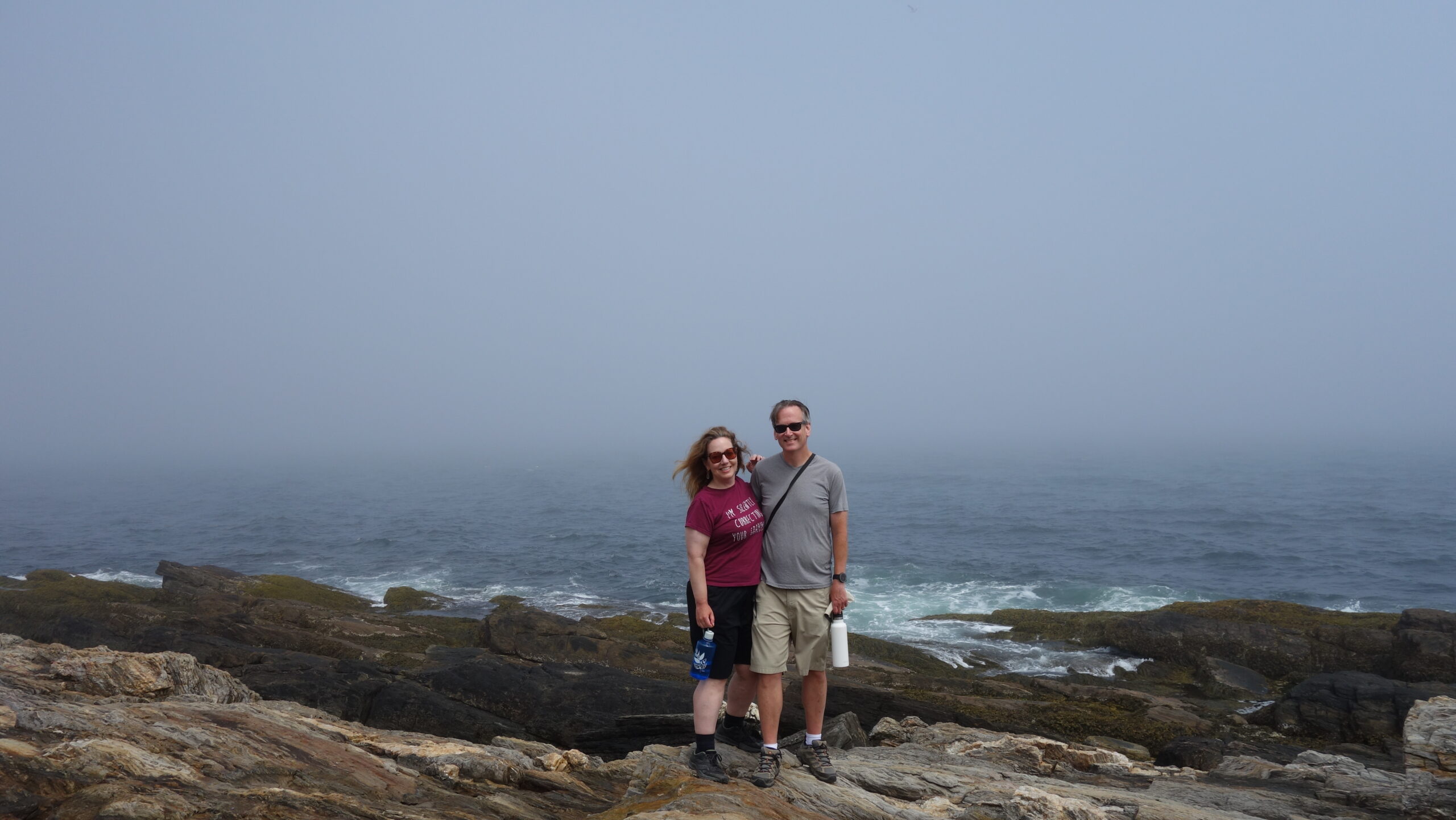
After supper, I wanted to walk High Street and then go home, since I had had a rough driving day. I had seen a hike to a waterfall, but it was almost forty minutes round trip, and I was tired. But then I saw a road that went up and thought it might give a good view of the town and surrounding mountains. That led us to a path that I thought would take us to the waterfall, except it didn’t. But by then, we were over half way, so we kept going and got close to where we could see the falls, but not how to get there. So Meredith asked a local woman how to get up to them, and she said you couldn’t – there was no trail. But then she told us of an old slate cart road that went up the mountain behind the houses we were facing, and then you could walk to a beautiful lake behind the mountain. Since the trail went up, I figured I’d give it a try, at least for part of it.

The end result is we got quite a bit above town, but then did turn around at the end of the steep part of the slate cart road. We stood there for several minutes to admire the views in all directions, and then walked the now fairly long ways back into town, to the B and B.

Tomorrow we continue driving north, since we leave out of Scotland on Tuesday. Unless I decide I need a mini golf rematch first.

Wales 2024 – Day 12, Friday, Pembroke and Snowdonia National Park, Wales

When it comes to touring, Meredith and I are … thorough. If time and energy allow, we see and read everything and listen to any docent we come across. Pembroke Castle’s website recommended leaving two hours to tour the castle. I figured we’d take four. We spent six hours there.

Whew, what a ton of history happened at and around this castle. In a nutshell, it all boils down to this:

It’s complicated.

The detailed version of the history is more involved, of course. It goes like this:

It’s complicated and involves a ton of people and time.

You can see why it took us six hours to tour the place.

The interior of the castle is in excellent condition, with many structures intact and tourable. That includes the main round tower keep, for which, while you can’t go inside it for some reason (it had a barrier across the door), you can climb one hundred steps to the roof area, act terrified, take a couple of pictures, and flee back down one hundred steps. For instance.

Several of the round towers had short films playing of the important people associated with the castle, the most famous of whom is Henry VII, of king fame. These little films were black and white cartoons which presented summaries of the history, but usually with some visual humor. Meredith and I laughed out loud at several points. We’ve seen several of these self-aware corny films at historical sights over the last two years, and we love them. I’m glad it seems to be a trend at tourist areas.

The castle dates from around 1090, which makes it old. The original one was made of wood and was built on an outcropping of one-hundred-foot cliff surrounded on three sides by a tidal river that rose and fell over twenty feet, either flooding the river area or leaving a large barrier of mud. As such, only the front of the castle really needed major defenses, which was a wall and a ditch originally, but was enough for forty Normans to hold off three Welsh princes and their army. It’s a superb defensive position, and the castle was never taken by force. It was surrendered to Cromwell after he finally brought in major siege guns, but those in the castle had held him off for eight weeks to that point.

The wooden castle was eventually replaced in stages by stone, beginning in the 1100s. The major mover and shaker was William Marshal, who was a pre-Renaissance man. He came from nothing, trained as a knight for seven years, and then took the French knight tournaments by storm for ten years, beating almost five hundred combatants in that time. He became so famous that the English king, Henry II, called him back to England to train his sons. William Marshal married and advised his way up the feudal chain, becoming Earl of Pembroke and running England a couple of times for two of the kings he served (King Richard the Lionhearted, who was off fighting in the Crusades, and Henry III, who was just a boy when he became king).  Marshal was also the key negotiator between King John and the barons when they were about to go to war, resulting in that Magna Carta thing about which we’ve heard so much and which is absolutely not in Lincoln Castle, where we successfully didn’t see it. Marshal also put down a rebellion in Lincoln when he was in his late sixties. Marshal lived a pretty amazing life and added huge expansion projects to Pembroke as a way to show off his success. Oh, and at the very end of his life (in his seventies), he managed to divorce his wife so that he could be buried as one of the Knights Templar, who required that the knights be chaste. Since he was divorced, he clearly wasn’t married, and so was chaste, and was buried as a Knight Templar. He was a well-known, powerful, and well-liked man.

Henry VII was born to his fourteen-year-old widowed mother in a tower in Pembroke Castle. It was during the Wars of the Roses, when two powerful families were killing each other for the right to be king, and Henry’s mother was part of that to the extent that they both had to flee to Brittany, in northern France. He eventually came back, raised an army, beat Richard III, became king, married a woman from the other house, and thus ended the Wars of the Roses.

That is grossly simplifying the history of a French-born English queen who was mother to the English king and then was imprisoned in a country house and kept there by a Welsh knight who fell in love with her and fathered two children by her to be pardoned by the same son/king who made his half-brothers earls, one of whom married up but died while his thirteen-year-old wife was pregnant and needed somewhere safe to go, so went to be with the still-alive brother at Pembroke. It’s complicated.

Pembroke also had a tie-in with its earl Richard Strongbow, to whom Mer and I were introduced in Waterford, Ireland, a couple of years ago, for the simple reason that Richard married into an Irish noble family and became king over southeastern Ireland, only to be told to shove off by the English King Henry II, who made Richard an earl in exchange for Henry’s getting to claim Ireland for himself and have Strongbow run it. That was a cool connection for us to make.

Many other historically important things happened at the castle, but enough of that. The castle has a cave! An awesome cave! An awesome fortified cave that looks over the tidal river! A cave that can only be reached by a spiral staircase! Awesome! The cave is really big, and was an important reason for why the castle was good at withstanding sieges. Boats with food could resupply the castle through the cave when the river was at high tide.

Mer and I clambered all over the towers and walls and keep and cave, and had a great time. We took two different docent-led tours just to hear more stories of the place. We left after six very happy hours to drive north to the southern part of Snowdonia National Park, a wild and mountainous part of northwestern Wales.

We got to our hotel at 7:00 and had supper just as the hotel restaurant was closing. Because Wales has a late sunset, we had some time after supper to walk five minutes over to a trailhead to take a hike. Mer suggested that maybe we shouldn’t do the five-hour, round-trip, strenuous hike up Cader Idris Mountain, so we did the twenty-minute easy hike along a stream, where we could admire hills and mountains all around us without actually having to climb any of them.

And so another day of touring is history. Tomorrow we will climb a mountain by sitting on a train, which seems a much easier way of going up in the world.

Wales 2024 – Day 11, Thursday, Llandeilo and Swansea and Pembroke, Wales

I kept checking the weather this morning, and while the forecast was still for rain and heavy winds, it looked as if they wouldn’t start until between 10:00 and 11:00. We were packed and headed out around 9:15, so I took a chance on getting in one quick outdoor sight. Happily, there was a spectacular one very close by – Castell Carreg Cennen.

Carreg Cennen was only about four miles from our B and B, but the good one-lane, hedge-lined Welsh roads made it so it took about twenty minutes to get there. The entrance to the grounds is a privately owned farm, so we paid our fee and went, of course, up. The path took us through a well-populated sheep field, and near the top, the path got confusing. I could head straight up the hill for the last part, or take a path that looked gentler. I took the path around the castle and ended up against the wall and a steep drop. I can only assume the wily, defensive-minded sheep were chuckling.

We backtracked and got up to the castle itself. It was not so complete as the Newton House grounds castle from yesterday, but the views were impressive, and the ragged outline of the castle was evocative (the English painter Tuner painted a picture of the castle in the late 1700s). I was delighted when I saw a sign for “Stairs to Cave,” but was even more pleased when the gate was open. Down we went.

Remember how the forecast called for rain and wind? The wind had arrived, and the castle tunnel to the stairs to the cave was acting as a wind tunnel. Mer had some serious blonde-outs going on. We climbed the steep stairs down into the cave, which was a natural one, and I thought we were done. All good fun. Then my eyes adjusted, and I saw  that the cave went back into the hillside more in a passage. I turned on my phone flashlight, and we cautiously made our way along the cave. I think we got about a hundred feet back (and down some) when I turned around because footing was getting slick. I looked it up later, and the cave goes back 160 feet and ends in a small pool of water, which would have been useful for a castle with no well.

Back up we went, and now it was spitting rain, and the wind was picking up. Another couple came up into the castle, but there were still only four of us there. Mer and I picked our way around the accessible parts, which were mostly along one wall, and admired the view, which was rapidly disappearing. There was a line of rain moving in, so we moved out. Just as we got to the base of the castle, but with the downhill still to go, the wind picked up and started lashing rain at us. It was what I refer to as “Shannon-hiking weather.” (Shannon is my twin brother. His hikes tend to be in challenging conditions, for some reason.)

I was pleased we had gotten in an outdoor sight, but now the rain did come on as forecast – fairly heavy and with wind. We drove an hour south, to the coastal city of Swansea, Wales’ second-biggest city, with 170,000 people. I had been looking for indoor things to do, and we were there to see the Dylan Thomas Centre.

I knew very little about the poet Dylan Thomas, but I knew he was an important writer. I found out today that he is best known for his poetry, but he also wrote screenplays (especially during WW II) and short stories. He died at the age of thirty-nine in a hotel room while touring America. It wasn’t clear from the museum, but it sounded as if he drank and smoked too much and was accidently given too much morphine after he had collapsed.

The museum was small and laid out in chronological order. Thomas worked very hard at his writing and early on pestered publishers with his work to get his words in print. He moved in quite the crowd of people even as a young man – he wrote to or met ee cummings, TS Eliot, Picasso, and a host of other writers and artists. While Thomas asked many of his writer friends for feedback on his work, Thomas was very generous with his time in helping other writers too.

So, like many people, Thomas was a complex person. He was passionate about his work; he worked hard but played hard too. He loved his wife deeply but had at least two affairs on her. He probably drank too often, but was gregarious in the pub and talked with anyone at hand. He was close to his parents and often lived near them. Thomas’ friends said he was almost always happy. He certainly knew how to celebrate language.

We spent two hours in the little museum and then headed outside. The weather had gotten worse. I started us walking toward another museum a few minutes away, but we were quite wet within two blocks, so I detoured us into a Fridays restaurant because it was there and it was warm and it was dry and I was hungry. Not a very European experience, but it did the trick.

At 3:00 we headed back out into the tempest and made our way two more blocks to the National Waterfront Museum. I had come away from the webpage of the museum thinking it was a museum of science and industry for Swansea from 1900 and on. It sort of was, but it was also about the people of Swansea – showcasing groups like miner brass bands and rugby teams and trade unions and women’s suffrage organizers. The museum had many audiovisual displays, but we never found any for which the sound worked. Some of the exhibits felt unorganized and crowded, but because there was a large open space in the middle of the hall, maybe they were getting ready for some big event. I think the museum has some great potential, and I loved the section on writers and artists who came from coal and slate mining families, but the museum needs to make sure things are in order and working. I came away a little disappointed, but I was also tired and a little wet and cold.
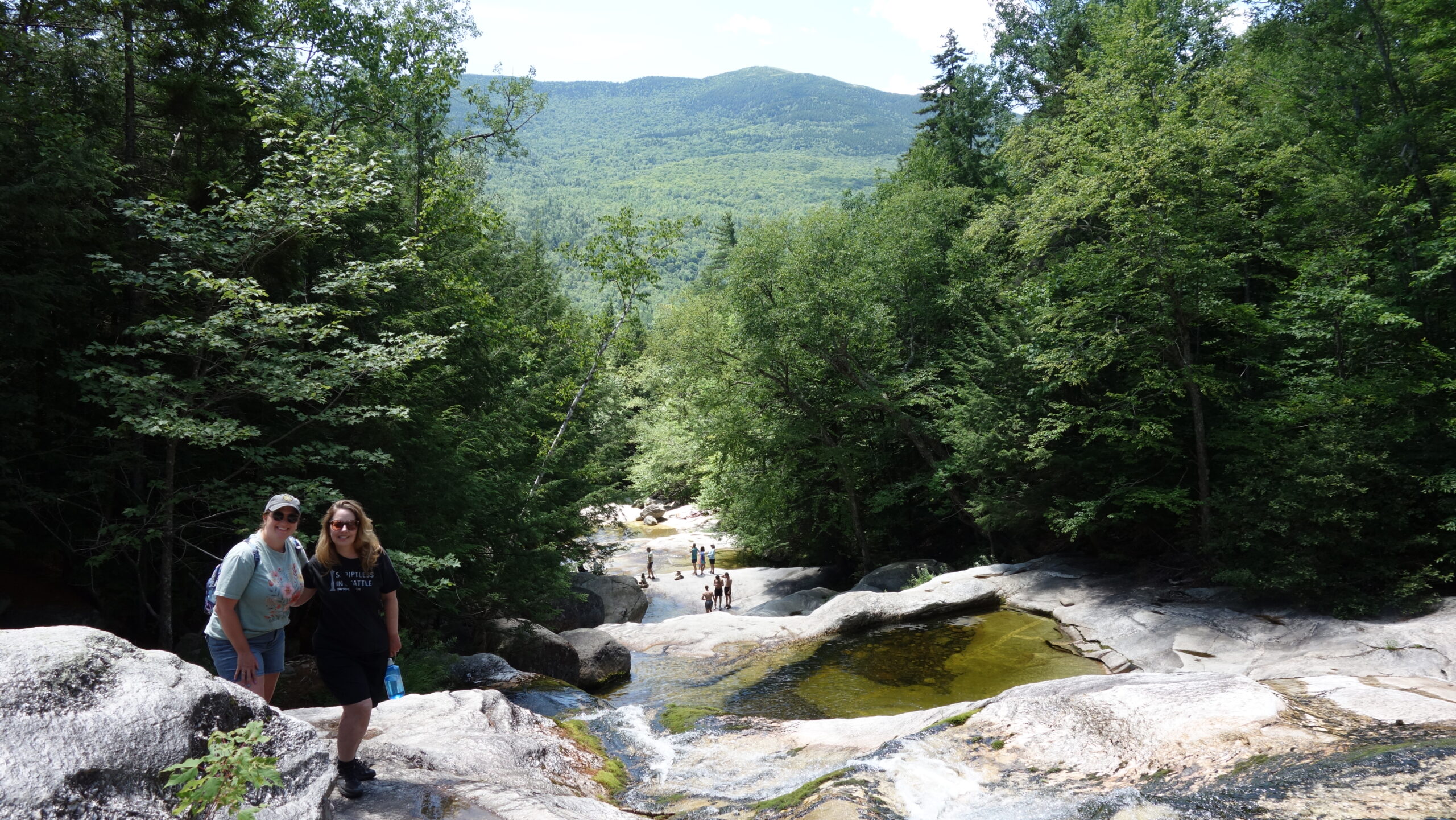
And so we headed west to our B and B town for the night, Pembroke. We hit a fair chunk of traffic, got channeled off of roundabouts in the wrong direction (twice), and hit a construction detour, and had heavy rain, so that the seventy-minute drive took two full hours. On the plus side, just as we were pulling into town, the rain stopped. As such, after supper, we spent an hour walking on paved trails that go around the exterior of the mighty Pembroke Castle, which I hope to explore in more detail tomorrow.
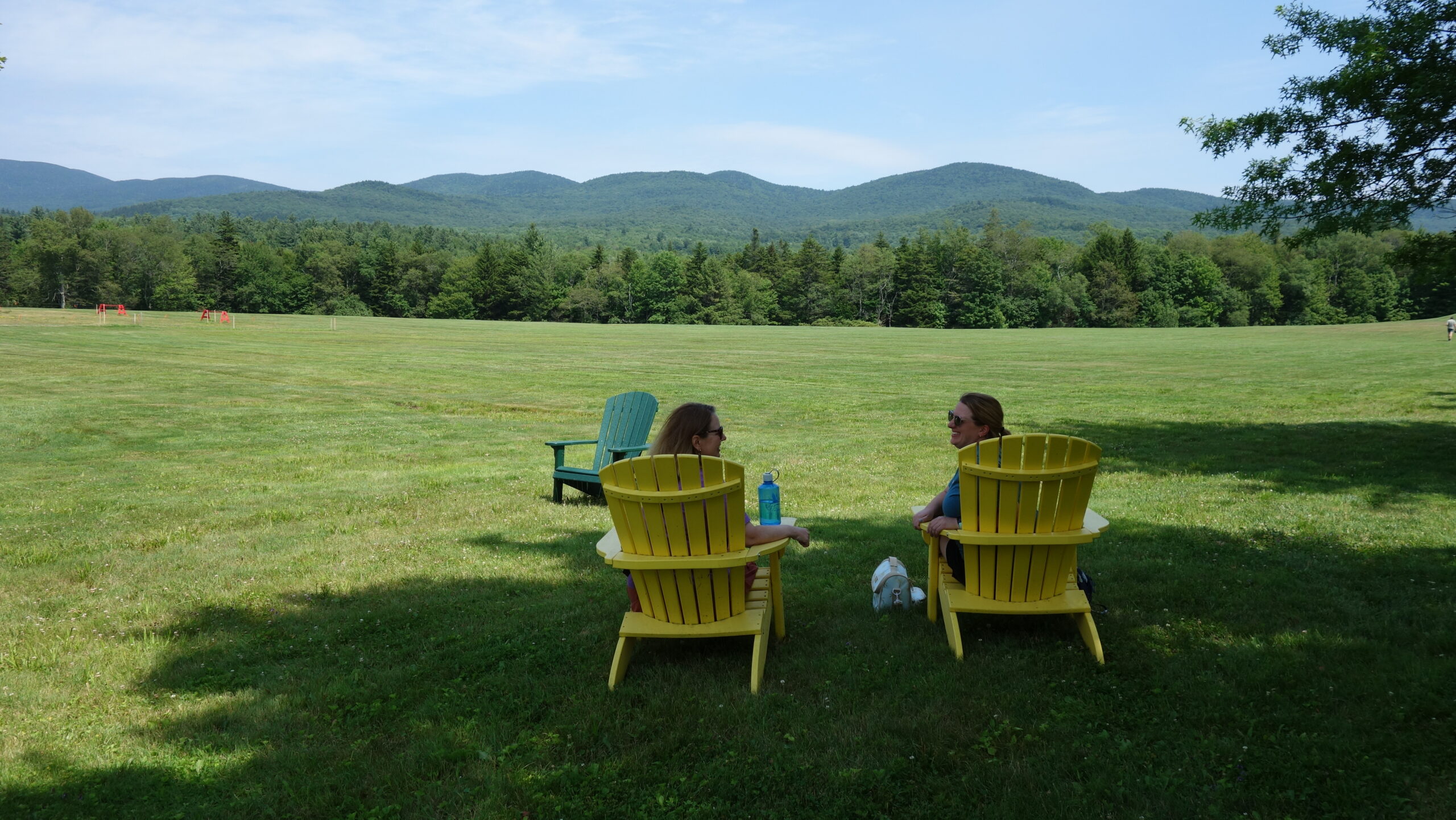
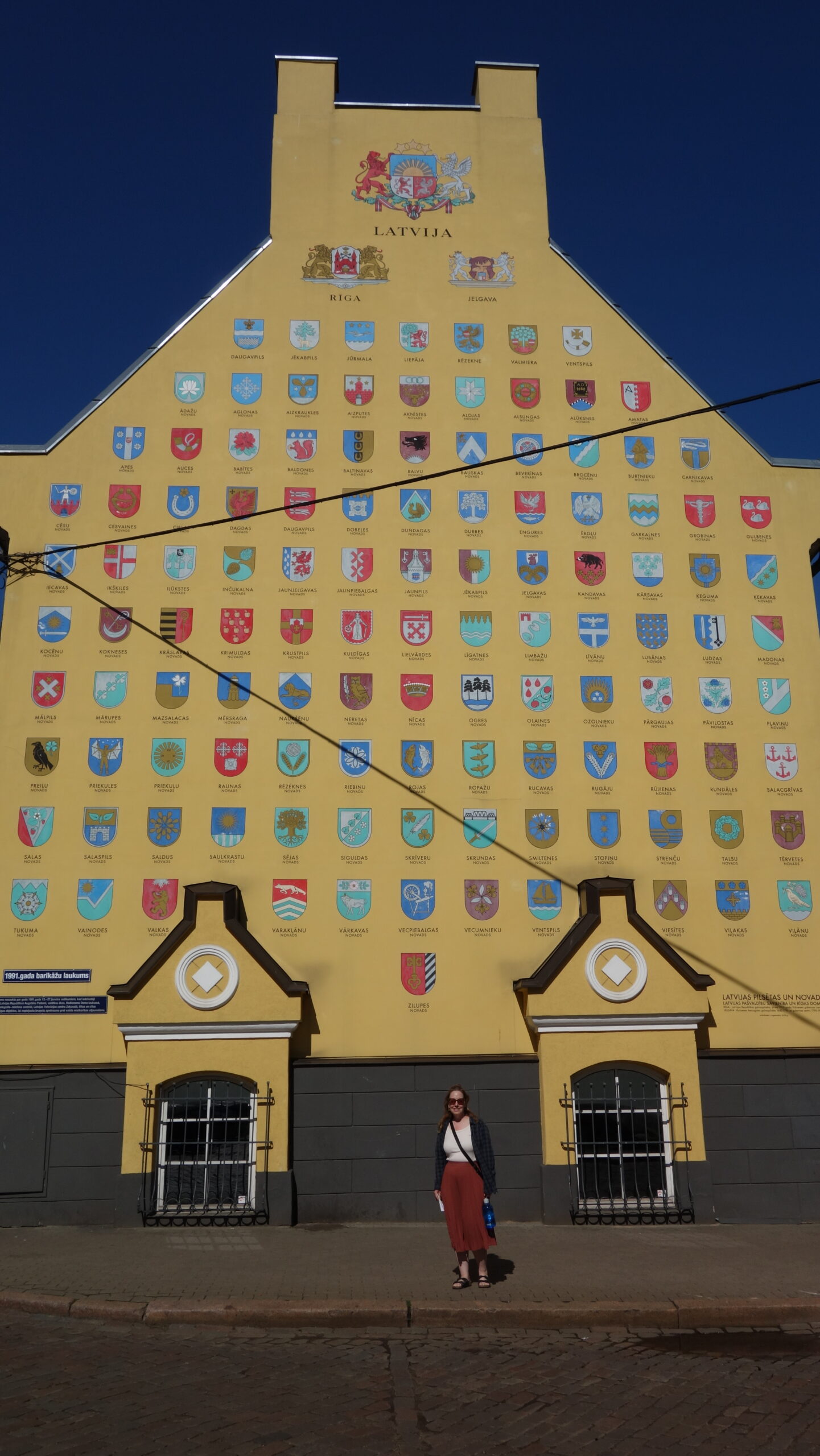
So the day began and ended with bonus touring of castles. That is a good day already, and the Dylan Thomas museum added to a fine outing.

Wales 2024 – Day 10, Wednesday, Llandeilo, Wales

Local conditions help me to focus, especially local weather. We left Cardiff today, and I had toyed around with going underground for a mine tour, but the weather today was supposed to be fairly good, and tomorrow (Thursday) is supposed to be quite bad, with heavy rain and wind. So I scrapped any idea of going underground on what could end up being our last rain-free day of the trip (showers forecast all upcoming week). I wanted to do something outside instead, and based on some internet research, I landed on the park right next to our home base town of Llandeilo. We headed over to Dinefwr Park.

Dinefwr Park is land that used to belong to the Rhys (“Rice” in English) family, who later became barons. The members of the family had many ups and downs, from one’s being a right-hand man of the king to one’s being the man who killed Richard III to one’s being jailed for treason, and finally the estate was sold in the 1970s to pay for death taxes resulting from two of the barons dying only six years apart (it seems as if the death tax was forty percent, so that’s a lot to lose twice in six years). The property was bought by the national trust in late 1980s, and the house was restored. So the park has a manor house, beautiful grounds, a herd of white cattle, a herd of roaming deer, and a castle ruin. It’s easy to see why I needed to come here.

We pulled into the car park and paid our five-pound parking fee and were asked if we wanted a tractor-pulled cart ride for five pounds each. We said sure and paid for that and then made our way up to the house to be picked up. A nice young guide found us and told us we were the only people on the tractor tour, and wondered if we could go on the 12:30 one instead. We were fine with that, and out of gratitude and because she was now free, she offered to show us around the house. Along the way, we picked up another docent in the first room, so our group was Meredith and I and two guides. It was great.

Because we were with staff members, they could take us around places not normally shown to people – the back-of-house laundry area, the servant hallway, the non-immediate-family family bedrooms, the third floor of the house. Along the way, our guide pointed out things we never would have noticed:

– how one portrait of a baron shows him looking authoritative, but the painter slyly put in papers falling from the baron’s desk to show he was losing control
– how the impressive main stairs started to slant after some renovations loosened them up, and they needed to have supports added
– how the stone shields on the outside of the house were all blank because the baron ran out of money to have them carved
– how some of the ceilings seemed to have plaster work, but were actually made of papier mache
– that one of the barons built a ground-floor bedroom for the butler when the butler got old
– that several old rooms were combined to be able to reduce the number of fireplaces since fireplaces started getting taxed

After the tour, we went back through the house on our own to read the placards and to see a few rooms we hadn’t seen, including the “below stairs” servants’ area in the basement. We then grabbed a quick snack in the tea room and headed out for our tractor tour.

And we were still the only ones on the tour. They decided to go anyway, and just as they were getting ready to set off, another couple joined us. So four tourists, a driver, a paid guide, and a volunteer guide. That’s good service.

The tractor ride was pleasant, and we got to go in fields around the house that are normally off limits. We got very up close with a herd of the white cows and calves that reside in the park, and we learned they are an endangered breed. The cows as a species have been in the areas since 900 and so are seen as special to the area.

From the tractor ride, I wanted to hike to the castle ruins on the hill. Meredith helpfully pointed out that I was taking off in the wrong direction. I told her the signs were pointing to the DIRECT way to go, but we were going via the deer park. I wanted to take the long way around. The walk through the deer park was under very mature trees (they didn’t laugh at my fart jokes) and had one great view of the manor house with some deer munching grass in the field facing us. There were a few carved wooden statues of animals along the path, and we eventually came out onto a very long boardwalk that followed a stream for some ways while the path wound through more trees.

That finally led us to the path for the castle, which went … wait for it … up. Somehow, castles often seem to be on hills. We took our time and made it to the top and were greeted with a castle ruin where the castle and walls were still in really good shape. The castle was from around 1200, although there are reports and tradition that there was a fortification there even earlier. We walked in through the door without having to lay siege, and were greeted with mostly intact walls, a largely intact round tower, and two square towers in good shape. The walls and all three towers could be explored, and the round tower and the taller square tower could be climbed, with excellent 360-degree views from the round tower. We walked everywhere we could access, and I even managed my fear of heights well, since the parapets were high enough to make me feel okay. By the time we got to the castle, the sun had mostly come out, and it was a very pretty day to look around at the surrounding hills. My guess is we were there for about half an hour.

We walked (the direct way) back to the car and drove the two miles to our hotel. We got checked in, and then walked the town for a bit, walking through a residential area to see how normal people live here, and we stumbled across a park that had great views after we climbed … wait for it … up. That wrapped up the touring for the day, as we got back to the hotel and had supper here. I have more scrambling and touristic improvising to do tomorrow to try to stay dry, but today worked out very well.

Wales 2024 – Day 9, Tuesday, St Fagans, Wales

Meredith and I enjoy folk museums/villages, where old buildings (usually farmhouses) are preserved so visitors can see how people of yesteryear lived. We’ve been to such museums in Lithuania, Ireland, Scotland, Czechia, and the US. And so it was that we drove the twenty minutes west to St. Fagans National Museum of History, which is the Welsh version of a folk museum.

Often, folk museums tend to be dominated by a brutish living-under-thatch feeling, but St. Fagans surprised me right out of the gate. The first house we saw inside the museum was a two-story red farmhouse from the early 1600s. While it did have a thatched roof, it was unusual in my experience in that the inhabitants painted it red (such houses are usually whitewashed or left natural stone). Supposedly, the red was to keep evil spirts away. But when we were actually under the straw roof, the home was quite comfortable-looking, with multiple rooms and real floors (not dirt).

That mostly set the tone for the day – being surprised at, in general, how comfortable the homes were. Some were as old as the late 1400s, but most were from the 1700s. By comparison, other folk museums we’ve visited had homes from this period that had dirt floors and, at most, two rooms. Mind you, when the guides mentioned how the parents, six children, and a lodger lived in the very small home, then you will understand I’m not ready to sell my own home. I thought most of the homes we saw today were small for two people, let alone six or eight or ten.

The museum has about sixty different buildings, including a still-working farm and a manor house. The manor house was a summer home for the very wealthy earl who owned the docks of Cardiff during the coal heyday of 1900. His grandson donated the manor and grounds in 1946 to what would become the museum. The manor and grounds are still immaculately kept.

Some of my favorite buildings from today:
– The one-room school house, of course. My life has been around schools for a long time.
– A church that was restored to how it would have looked before the Reformation. It’s the first church I have seen with bright colors and walls covered in biblical stories. It was very pretty.
– A row of townhouses, with individual house sections set up from different periods in the 1800s and 1900s, even up to the 1980s. I wasn’t too thrilled to see my teen years in a museum of folk history.
– A small farmhouse with box beds (which are beds in a box) that created small private spaces in an otherwise open room. The house was very small, but was furnished smartly.

The museum also realized that most Welsh people from 1890 and on lived in cities, so they started adding early 1900s town buildings, including a hotel, a general store, and a social hall for coal miners. That seemed wise to me.

We mostly finished the day with the manor house and the grounds. The gardens were in bloom, and they were a joy to stroll. We swung by a few more buildings on the way out, including a highly mechanized weaver’s cottage from the late 1800s, but we had to skip the last few buildings we had missed. We got to the museum when the doors opened at 10:00 and closed the place out at 5:00. We needed another thirty minutes. Next time.

We had supper at an inn right outside the museum, which was great in that it got us to about 6:15, so traffic had settled some as we drove back home. Mer has finished up her part of the touring for Wales, meaning that tomorrow through Monday is all my responsibility. I have big shoes to fill.

Wales 2024 – Day 8, Monday, Cardiff, Wales

Today we traveled back two thousand years, navigated a river, went to Norway, went blind, walked out on that dam thing, went to Antarctica, and went shopping when we weren’t allowed to buy anything. We had a busy day.

We drove into Cardiff, taking about twenty minutes, and even successfully found a parking garage near our destination of Cardiff Bay, which is about two miles south of the city center (or “centre”). We passed the rather humdrum-looking Welsh parliament building, and then passed the really spiffy Welsh parliament building (the first building looked like and thus probably was an office building attached to the meeting place of the parliament). We got situated in front of the ornate and very red Pierhead Building.

In 1800 Cardiff was a village of about two thousand people. By 1900, the population was almost one hundred times that. Cardiff Bay had become one of the leading ports for the export of coal, and specifically Welsh coal, which burned more warmly and cleanly than most coals. It made Cardiff very, very rich, and the city expanded the dock areas four times and installed almost two hundred miles of railroad in the city to handle all of the freight. To coordinate and supervise (and charge ships for) all of this coming and going, the man who owned the docks built a large terra cotta (red clay) building to house the clerks and managers of the docks. It is now owned by the Welsh Parliament and houses a quick history of the city, including a wonderfully self-aware, cheesy animated film that started with the Romans coming and building a fort around 55 AD and worked up to present day.

Coal demand dropped after WW II with cheap imported coal becoming available, and Cardiff’s economy suffered. The docks transformed to handle big cargo container ships, but even that dried up, and so by the late 1970s, the bay area was an abandoned industrial wasteland. Enter the town council, who came up with the radical plan in the mid 1980s to dam up the mouth of the harbor. Cardiff Bay has huge tides (I estimated the tide marks to be pushing twenty-five feet), which made the harbor hard to manage. The plan was to make the inner harbor a stable freshwater lake fed by the River Taff, with a lock system to the sea for shipping and a fish ladder for the fish. They managed to get the thing passed and built, and the plan worked. The harbor is now a beautiful zone of shopping and culture and government buildings, and a walking and biking path now circles the whole bay.

Several boating companies offer cruises in the harbor or up the river, and so it was that after we toured Pierhead, we got on a boat that cruised up the river to about where Cardiff Castle is. We had a commentary along the way, and learned that the Victorians moved the river to a new course to make the land around the castle more stable. We also discovered that the 75,000-seat sports arena cost twice as much to build as the parliament building, which I think has much to say about priorities. That is also the arena that Pink is playing tomorrow night, so if you estimate that thirty or forty thousand people coming to the concert need somewhere to stay, you can see why Meredith had a hard time finding us a hotel for this week.

After the cruise, we popped quickly into the Norwegian church on the bay. It was built for Norwegian sailors who traded here, and eventually fell into disuse and disrepair. It was taken down and put into storage for a few years, and then rebuilt and restored on the bay during the 1990s. It is now a cafe on the ground floor, and a not-too-subtle branch of the Norwegian tourist board on the second floor, telling you all the great places you should come and see in Norway.

After the church, we went over to Roald Dahl Plass (place) to look at the pretty square in front of the very pretty and unusual opera house, the Wales Millennium Centre. The building is open even when performances aren’t showing, so we popped in to look around. Most of the food places were closed (the bay area was very quiet today – Mer thought we were too early in the summer for the main tourist time), but we stumbled on a little six-seat theater showing a film of a paralyzed woman joyfully gliding around underwater in a specially fitted-out wheelchair. It’s part of a partnership with a local theater that puts people with disabilities on stage with fully functional performers. We even came back after lunch to do the next experience, which was putting on a VR headset to experience what it is like to be blind.

That is very odd, I know, but it worked really well. The VR headset piped in the audio diary of a man who had gone blind as an adult, and the recordings were all of him describing how he “saw” the world through sound. On the VR screen, we could only see dim sketchy outlines of things, and only if they made noise. So the man would describe how the wind or the rain made the world come alive for him, and we could see the outlines of trees rustling in the wind or rain. The entire experience lasted about twenty minutes and was very captivating.

From there, we walked around the harbor out to the Barrage, the dam that was built to keep the tides out of the harbor. People were out walking and biking and enjoying the space. When we got to the Barrage, I was surprised to see mud flats almost as far as I could see – the tide was out, and I could see the line the high tide left on piers, which is where I guessed they had twenty-five-foot tides (I just looked it up – they have twenty-eight-foot tides). Well out on the dam are a couple of large sails to cover a pavilion, so we walked over to that and discovered a short display on the failed Scott expedition to the South Pole back in 1911. Scott had raised about half of his funds from Cardiff, and he set sail from Cardiff Bay, promising to stop in Cardiff first on the way back. Sadly, Scott never made it back from Antarctica.  He and four companions trudged all the way to the South Pole (only to find out that a Norwegian named Amundsen had beaten them there by a few weeks) and then made it most of the way back to where the rest of the crew were waiting; however, before reaching them, Scott and the four others succumbed to exhaustion and a blizzard.

That wrapped up our tour of Cardiff Bay. We walked back to the car and moved it two miles to a new parking garage, taking about twenty-five minutes to do so (traffic was difficult). Having parked near the castle, we did a tour written up by Mer’s favorite guidebook author, Rick Steves. Since it was after 5:00, most things were closed, and so several of the things Rick pointed out we couldn’t check out. We did have supper at the start of the walk, and then ended up heading away from the castle along the two main pedestrian shopping zones. There are several Victorian glass-roofed shopping arcades along the way, and we even managed to get into part of one that had an open restaurant, but all the shops were closed, so we couldn’t stroll the arcade. Much the same was true for the rest of the pedestrian zone – the restaurants were open, but the shops weren’t. Or the main church. Or the old library. But it was still a lovely walk – I do love pedestrian-only zones in town centers.

And that was our day. We drove back to our Pink-inspired hotel on the edge of the city, where we got candy bars from the handy rest-stop store. We both agreed we aren’t going anywhere near downtown tomorrow night. We probably couldn’t get tickets to the concert anyway.

Wales 2024 – Day 7, Sunday, Llangollen to Tintern Abbey to Cardiff, Wales

The Church is much more than a building. According to scripture, the family of believers makes up the body of Jesus and thus is the church. We were reminded of that in several ways today.

We started the day off by walking a few blocks to City Church, a small church in Llangollen. As we walked up to the building, we heard an alarm going off, and as we entered, it became quite deafening. It turns out the fire alarm was going off, and it took a good twenty or thirty minutes to get it turned off (I note with a little, um, alarm, that no firefighters ever showed up). Rick, a member of the church and the guitar player/singer, kept us company outside the entire time, making small talk. That was kind of him.

Once the alarm was off and after some initial setup, church got underway with a good thirty minutes or so of singing. The pastor (Brian) then got up and told us he felt led by the Holy Spirit to shelve his prepared sermon and to turn the service over to prayer. It turns out the little church of just twenty or so members has been going through very tough times. The pastor’s fifty-year-old daughter-in-law just recently passed away from her heart stopping beating, with the doctors not able to answer why. A long-time friend of the pastor had turned on a propane grill, and the tank exploded, killing the woman. Another member of the church was watching online because he was home with terminal cancer, and there were other illnesses for which to pray. So we spent a good long time praying for each other, and the pastor came and prayed over me and Meredith even though his own heart had to be breaking. This was the body of Jesus in action, and it was moving. We finished the service with more music, and Mer and I were invited to stay for coffee and fellowship, but we had to get on the road to get to another church.

After three and a half hours of driving on good but not-highway roads, we pulled up to Tintern Abbey. Several years ago, when we were on the Isle of Skye in Scotland, I was driving us to see the “Fairy Glen,” which was supposed to be where the fairies lived. Mer had asked me if we would know it when we got there, and when we turned the corner, we saw all of the fantastical cone-shaped mounds of earth with ringed tracks all around them. It was obvious we were there.

Much the same happened today – my GPS said we were at the abbey, but I didn’t see it. I reprogrammed the GPS for the last of three listings for the abbey, and drove on for another quarter of a mile, wondering if we’d see it. We came around the corner, and one of the biggest and best-preserved ecclesiastical ruins I have ever seen hove into view. It was magnificent and gorgeous.

We parked and paid to get into the abbey, although the views from the road were very fine. Because of the time, we only had about forty-five minutes to wander the grounds, and the south wall of the main church was blocked off by scaffolding for restoration efforts. Since Henry VIII had stripped the abbey of its roof and windows (and anything else he could sell), the interior walls have been exposed to the elements for the last four hundred and fifty years, and they are starting to deteriorate to a point that parts of the site could be dangerous if not treated and repaired.

But still, what a structure. The two huge window frames were still largely intact, and the arched ribbing of the building survives. The southern part of the church has more of the original structure standing, but the northern part is scenic with stone against sky. There was information about the abbey and the monks who lived there, and we learned a few new-to-us things:

– The Cistercian monks were excellent water engineers, and had piped water throughout the abbey complex.
– The monks were expected to tolerate the cold, with only one fire allowed in the “warming room.”
– They only got one meal a day in winter and two per day in summer. They drank about a gallon of mild beer each day, and that provided them with twenty-five percent of their calories.

Once we were done with the abbey, we found out from a guide how to climb up a proximate hill to a small church to look down on the abbey. She directed us, but warned we might not see much because of the leaves on the trees. She was right and wrong. When we got to the church, we couldn’t see the abbey, but we could see some of the countryside, including some rising smoke, just as Wordsworth mentions in his poem “Lines Composed a Few Miles above Tintern Abbey.” That made Mer very happy. But what was also quite a scenic delight was the fact that the small church to which we had climbed was also a shell – the church had suffered a fire in 1977 and was left derelict. My, how quickly nature acts! We walked into the church, and much of the interior space was filled with fairly good-sized trees. Most of the church walls were covered in ivy, and the back of the church was hard to make out from all of the growth. And all of this has happened in less than fifty years. Wordsworth and the other Romantics would have loved the church and its setting, so Meredith was even more delighted. While we couldn’t have claimed to have seen the exact spot where Wordsworth composed his poem, we were definitely “feeling the vibe” that Wordsworth would have felt. It was a very fine stop.

From there we drove on to our hotel in Cardiff. Mer had warned me that it was a chain hotel on the edge of town. Although Mer had made reservations back in February, she couldn’t find rooms in the city. She was confused about that and eventually found out that the very popular pop singer Pink is starting her world tour in Cardiff on Tuesday, and so hotel rooms are all booked up. I didn’t think too much about the chain hotel, though – I’ve stayed in chain hotels before, and they are fine. I was looking forward to wandering around a suburban neighborhood of Cardiff as we went to find supper.

Then the GPS pulled us into a rest stop. Just the other day, I had seen a hotel at a rest stop just off the highway and had wondered who would ever stay there. It turns out we would. The hotel is just off a major road, in the middle of a business park. So much for wandering around. We did find a British buffet chain on the far side of the rest stop, so we ate there. It seemed better than Burger King or KFC.

We conferred and decided to get an early bedtime tonight with the goal of getting up and out efficiently tomorrow. In the scheme of things, a hotel that requires a car to get into the city is not a big deal. At least we have a roof over our heads and we’re healthy.

Wales 2024 – Day 6, Saturday, Ruthin, Wales

One of the recurring joys of travel is when we encounter something unexpected and unplanned. The regular sights we visit are almost always worth going to see, but the unexpected moments of beauty or humor or kindness are always special.

After breakfast in a cafe by by the Dee River, we set out, first stopping at the very nearby Abbey Farm. You might think it’s a farm with an abbey on site, but you’d miss out on the genius of having an RV and camping park with an abbey on site. An abbey that is locked and inaccessible except (as it turns out, which I learned when I looked it up) by booking a guided tour online. We still walked around the perimeter and saw the abbey from two very good angles. Mer, who was in charge, decided that this was enough for a bonus sight on the way to the town of Ruthin.

We drove on the shockingly good road over the Horseshoe Pass and along a very winding road to Ruthin, a town of 5500 people. For such a small town, Meredith had a long day of touring set up for us, starting with Ruthin Gaol (jail). Ruthin Gaol was a prison from about 1650 to about 1915, with a new Victorian wing added in the 1860s. That wing now forms the museum of the jail, which has been restored to the Victorian model after having been town offices (after 1915) and a munitions factory (during WW II). This is the third Victorian prison Meredith and I have seen, after seeing Dublin’s on earlier trips and the Lincoln Castle prison just the other day. While not ever wanting to be in prison, I’ve been impressed at the amount of light and air these prisons had in them. In the case of Ruthin, the cells each only held one prisoner, as they were designed. Dublin and Lincoln were made that way but gave way to overcrowding as more prison space was needed.

Ruthin had very strict rules about keeping clean and keeping the prison clean. Prisoners were given a bath once a week, and cells had to be swept every morning and washed one or two times a week depending on the season. Long-term prisoners got more and better food so that they would stay healthy and be available for work. Work could be walking on the prison treadmill to pump water up into the water tower, working in the kitchen, breaking rocks up for use in roads, or doing pointless tasks like turning a handle that simply ran a counter, which was used as a punishment.

Prisoners were forced to exercise in the yard one hour a day, during which they had to walk around in silence, each holding on to a common rope to keep space between each other. They wore caps with masks to they would have a hard time talking, and those who did talk were punished by losing food for the day. The thought behind having a silent prison was to punish the wrongdoers, and to give them space to contemplate what they had done and drive them to God. The silent-prison approach was abandoned in the late 1800s.

The museum had good interactive activities in the cells for kids, from finding various bears that were locked up to having kids plan an escape. It was very clever.

After the jail, we hiked back up to the town center to go tour the oldest known timber house in Wales, having been lived in continuously from 1435 to 1984. The house has been restored, but the genius of this house, which I have never seen before, is that it’s been restored to seven different eras in the home’s use. The original hall is restored to the 1940s, and there are rooms set up from the 1400s, the early 1600s, the late 1600s, the 1700s, the late 1800s, and the early 1900s. It was a great way to see the changing times and a reminder of how many people lived in the home.

The back of the house contains a pretty garden, both a formal manicured garden and a nut-tree garden that is fairly wild. We explored both the house and the garden and enjoyed the time there.

From the house, we went down from the town center to a craft/arts center, where we looked an exhibit on a woman who makes somewhat abstract clay sculptures of animals, looking to tap into the “truth of the animal.” I can’t say I loved her work (the faces of the animals tended to be fairly grotesque), but the work was thought-provoking.

We grabbed a free “art in the streets” map from the center and spent about an hour wandering town looking for “spy holes” (like peepholes) that let you see 3-D photos or creations of artist renderings of things inspired by Ruthin. Since the holes were subtle, it took some work, but we managed to find them all. We rewarded ourselves with supper.

We finished supper about 7:00, which put Mer in a bit of a bind. She felt it was too early to go back home, but too late to do the hike she had been planning. I reminded her that the only major thing we hadn’t seen in town was the grounds of the castle, so we headed there to see if they were open. They were, since the castle is now a hotel, so we poked around the free grounds.

The castle is a newer one from the 1800s which sits on top of and is surrounded by ruins from a much older castle from the 1200s. It was fun to explore the ruins, but the real joy came when we stumbled on the colony of peacocks. We had heard their distinctive cries, but were pleased to find at least four peacocks and three peahens. It seems it is mating season, so the males were doing their best to impress the ladies with a full display of plumage. The peacocks weren’t afraid of us, so we grabbed chairs and watched them for twenty or thirty minutes.

We walked around to the front of the hotel, and I decided to try my luck to see at least the lobby. The receptionists were very nice and not only said we could look around, but took us through another room into a huge room set up for a wedding fair tomorrow. The ceilings were ornate, and there was a huge chandelier, along with mirrors reflecting lights. The sign for the hotel had advertised “fairytale weddings,” and the staff members were doing their best to back that up.

We were pleased enough with the castle that we decided to get dessert there, so we ate in a small but elegant room. It was a mellow way to extend our time there.

On the way back to the car, we got one last unexpected joyous moment. As we passed the open-air seating of where we’d had supper, we heard a couple of women singing “Happy Birthday,” but in the Welsh language. It was great both knowing what they were singing but having no idea what they were singing.

That was our day, and with a drive back over the pass, we got back home for the evening. Tomorrow we’re off to Cardiff, where I hope to make many happy memories, planned or not.

Wales 2024 – Day 5, Friday, Llangollen, Wales

“Say,” says the attentive reader of Ye Olde Blogge. “I hate to tell you how to go about your business, but I can’t help but notice that there hasn’t been, you know, a whole lotta Wales in your Wales trip yet.”

So true, but we fixed that today! We had breakfast with Dubbs in Lincoln, and then drove for about four hours to get to the small northern Welsh town of Llangollen (they have a two-for-one sale of the letter “L” going on). We got here about 2:00, so you would think that we wouldn’t get much touring done today. But you, dear reader, aren’t married to the Energizer Bunny of tourism.

We couldn’t get into our room until 4:00, so we jumped right into touring mode. The main parking lot next to our hotel was full, so I drove further up (and I mean up) Hill Street, which was one lane most of the way until I found parking on the side of the road. Mind you, it wasn’t terribly wide there either, but parking was legal. Why have two driving lanes on the road when you really only need one most of the time?

From there, we walked up Hill Street more to a side road, where we walked on to the grounds of Plas Newydd, a house that became famous from two ladies who lived there together for fifty years, from about 1780 to 1830. The two ladies (one of whom was a capital-L Lady) were ladies from Ireland who fled together to Wales. One woman was being pressured to go into a convent, and the other was attracting the eye of a married man in his fifties. The two women were friends and so decided to go live a retired life together with their maid, who helped them flee Ireland.

The women were seen as a bit eccentric, as they wore practical Irish clothing that was more masculine than normally seen in the area, but the locals seemed to enjoy them, especially as the ladies looked out for the village as best they could. The town has a popular hotel where horses were changed, and somehow word got around about the women, and so they ended up hosting many famous people including Sir Walter Scott and William Wordsworth (who wrote a poem specifically for the women). At some point, the ladies got obsessed with making their farmhouse appear to be Gothic, so they asked friends to send them anything that was of carved oak. It seems that carved oak was going out of style, so people sent the women pieces of furniture, carved chests, wall paneling, church décor, and so on. The women had it mounted on the front of the house, up the main staircase, and in other rooms. It is quite a visual display.

Outside the house, the grounds are lovely, with topiary out in the front and a woods walk down to a stream in back. We spent over an hour at the house and grounds.

Down Hill Street we went, across a bridge over the River Dee and up another street to look into canal boat cruises. They were over for the day, but when Mer asked, the woman gave us instructions on how to hike up to the castle ruins above town, which I was pleased to do. The woman’s directions boiled down to “keep going up.”

Up we went. There seems to be a theme of elevation going on in this town. It was about a mile and a half of up, counting switchbacks, but we took our time in the beautiful sunshine and stopped often to admire the unfolding views. When we did get to the top, we had a stunning panorama in any direction, as well as the castle ruins themselves.

The poor people who built the castle. It seems that it was only inhabited for about twenty years back in the 1200s. Then the Welsh burned it down so that the English wouldn’t capture it and use it. The ruins are very picturesque, though.

The views looked out over the Welsh mountains to the west, an escarpment of exposed rock to the north, more hills and a canal aqueduct to the east, and hills and the town to the south. We also had a fair amount of wind, but after the climb up, the cooling effect was welcome. We walked around the ruin for twenty or thirty minutes and then headed back down.

We checked in to our room and then got supper at a cafe on the river. By then it was 7:30, but there was still daylight plus sights unseen! So we went back up the far side of the Dee River, to the canal that is above the town, and we hiked the towpath back up the canal, 1.75 miles to the source where it splits from the Dee. There’s an artificial falls there shaped in a long arc that I think helps create a reservoir. It was a flat walk, but the river was pretty where we could see it near the end of the hike, and the canal was smooth and reflected the trees and bridges above it. It was a peaceful walk.

And so, after managing to cram thirteen miles of walking into a seven-hour touring day, we retired to our room. We’ll get to add more Wales to the Wales tour tomorrow.

Wales 2024 – Day 4, Thursday, Lincoln, England

Sometimes a place has so much history that if you have just one day to see it all, you can only dip your toe in the shallow end. Such was today, especially since most things in Lincoln close down at 5:00 even in the summer.

Dubbs met us at out hotel for breakfast, and then we drove out the couple of miles to the International Bomber Command Centre. The IBCC is a memorial to the bomber crews and support staff who were based in Lincoln County, which held twenty-seven airfields for bombers. The IBCC only opened in 2018, and so the museum and memorial make good use of modern design.

We joined a tour of the grounds, which took us to the front memorial commemorating Operation Manna, in which the British dropped thousands of tons of food to starving civilians in the Netherlands in the winter of 1944-45. We then wrapped around to the side of the building to see the peace gardens planted with plants from all the continents that served with the RAF (all six habitable continents and more than fifty countries). The guide took us to a lime tree grove where there was a tree planted in the relative location (compared to the other trees) of each air base in the county. I thought the trees were lime trees because of the nickname for the British (“limeys”), but the guide said they were hardy and didn’t grow so tall as to obscure the Spire, which is the main memorial to the air crews who died in service.

The Spire is a tall airfoil-shaped piece of steel that is as tall as the wingspan of a Lancaster bomber (102 feet tall). It’s on the top of a hill opposite of the Lincoln Cathedral, and is surrounded by steel plates with the names of all the men (and one woman) who died flying on a bomber cut out of the plates. There is also a sculpture of an air crew who died on the Dambuster mission in 1943 that is silhouetted against the sky and cathedral, which is very moving.

Meredith and I then headed in to the museum to a prestation room (Dubbs had to do something school-related). In the room, we played the part of members of aircrews as we were briefed on our mission on June 5th, 1944, for Operation Taxable (as part of the D-Day landings). We received precise navigation and meteorological reports, and got our orders to fly in circles over half the English Channel, dropping “window” – strips of aluminum which would scramble German radar. Because it made radar useless and the strips drifted toward Calais and away from Normandy, it made the Germans think something major was moving toward Calais. The presentation was fitting, as today was the eightieth anniversary of D-Day.

We met back up with Dubbs and Candice for the small but excellent museum. There is a small theater showing films about the bombers and crews, and a room-spanning placard series showing twenty-four hours in the life of a bomber crew. There were multiple places where you could listen to crew and ground crew tell stories, and several films of people in uniform telling you how they worked and fought. Since one of the missions of the IBCC is for reconciliation, I saw a young German fighter pilot tell how he shot down a Lancaster, which was still somewhat hard for me to hear. It’s an important reminder that the vast majority of Germans were doing a job they were forced to do.

That wrapped up our quick overview of the IBCC. I could have spent more time there, but we needed to move on to Lincoln Cathedral. Candice had other commitments, so she left us there. Dubbs showed us a couple of tombs of some of her more royal relatives from way back, and we looked around the cathedral while waiting for a tour and trying to avoid the service for hundreds of school children in the main space. Meredith and I were very much amused at a stone placed in the floor that read something to the effect of “This stone is a temporary marker for so-and-so, died 1777.” I’m sure they are going to get the permanent marker in place any day now.

We met up with a tour guide at 2:00, and she took us outside so we could hear her since the school service had just ended. Some highlights from her tour:

– The cathedral was started just before 1100 and originally had a wooden roof that burned twice. When it was replaced with a stone roof, the walls collapsed forty years later “in an earthquake” from which no other buildings suffered.
– The rebuilt cathedral was going to be in one style, but ran out of money, so they kept the older facade.
– The inside and outside used to be very colorfully decorated, but the decorations were all destroyed by Cromwell and company.
– There was a “dole window” where poor pilgrims could knock and get enough money for a meal and lodging. Our guide intimated that this is the source of the expression “on the dole.”
– One of the large high-up stained glass windows is actually just full of old window shards reused in the new window. It’s quite pretty, and you can’t tell without binoculars that it’s reusing shards.

More touring! More history! Off we went to the Lincoln Castle, which still has intact walls. The inside of the walls contains a Victorian prison and a building that has been used as a judicial hall on and off over the centuries. But the walls are the real prize. You come up sixty-five steps to be greeted with a grand view of the cathedral. You are then allowed to circumnavigate the entire wall, including being able to go up the one existing tower. On a sunny day, it was pretty spectacular.

We went down to the vault area to see one of the three displayed copies of the Magna Carta (the others are one in the British Library and one in Salisbury Cathedral, both of which we have seen). We went down into the vault, and there it was! The last in our collect-them-all series! Boy, it sure looks to be in good shape! Why is the docent apologizing for the replica? It seems the real Magna Carta was taken away to an unknown secure location yesterday, so we missed it. We did get to see a good film on how the document came to be (near civil war with the king) and why it has been so important (the first document to limit a monarch with law).

That ended the history tour for the day, as it was almost 5:00. We got a very good supper in the old quarter, got a quick tour from Dubbs of parts of the Roman wall that still exist in a few places, and then went down Steep Hill (it’s really called that) to a pub for a pub quiz (trivia). We met up with another of Dubbs’ friends and classmates, a fun young woman from India, and we whiled away a pleasant hour or so playing trivia. We came in second of four teams.

And so we said goodnight, and Mer and I headed back up Steep Hill to go to our hotel. Sometimes you have to work surprisingly hard to get to the shallow-end stuff.