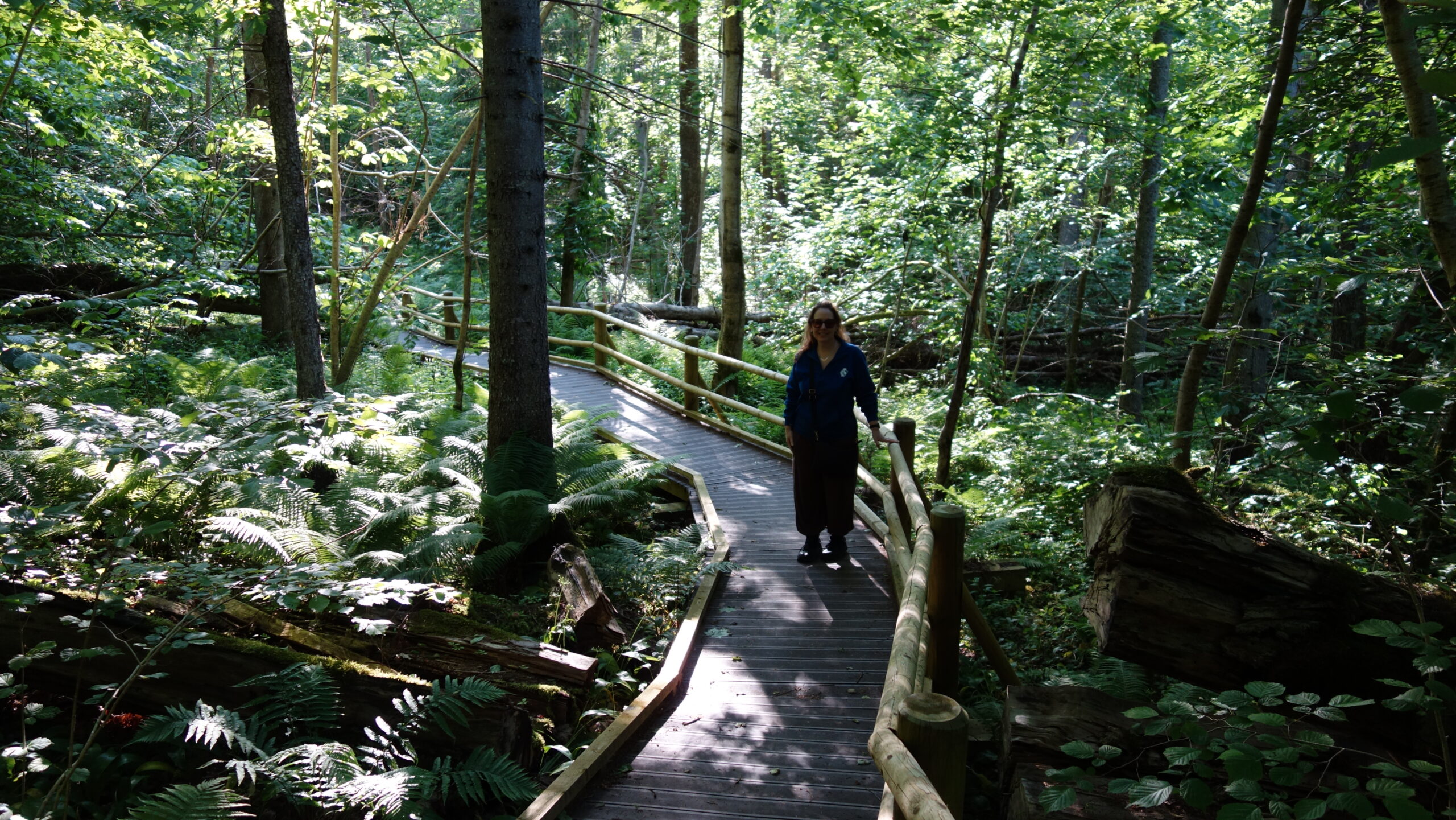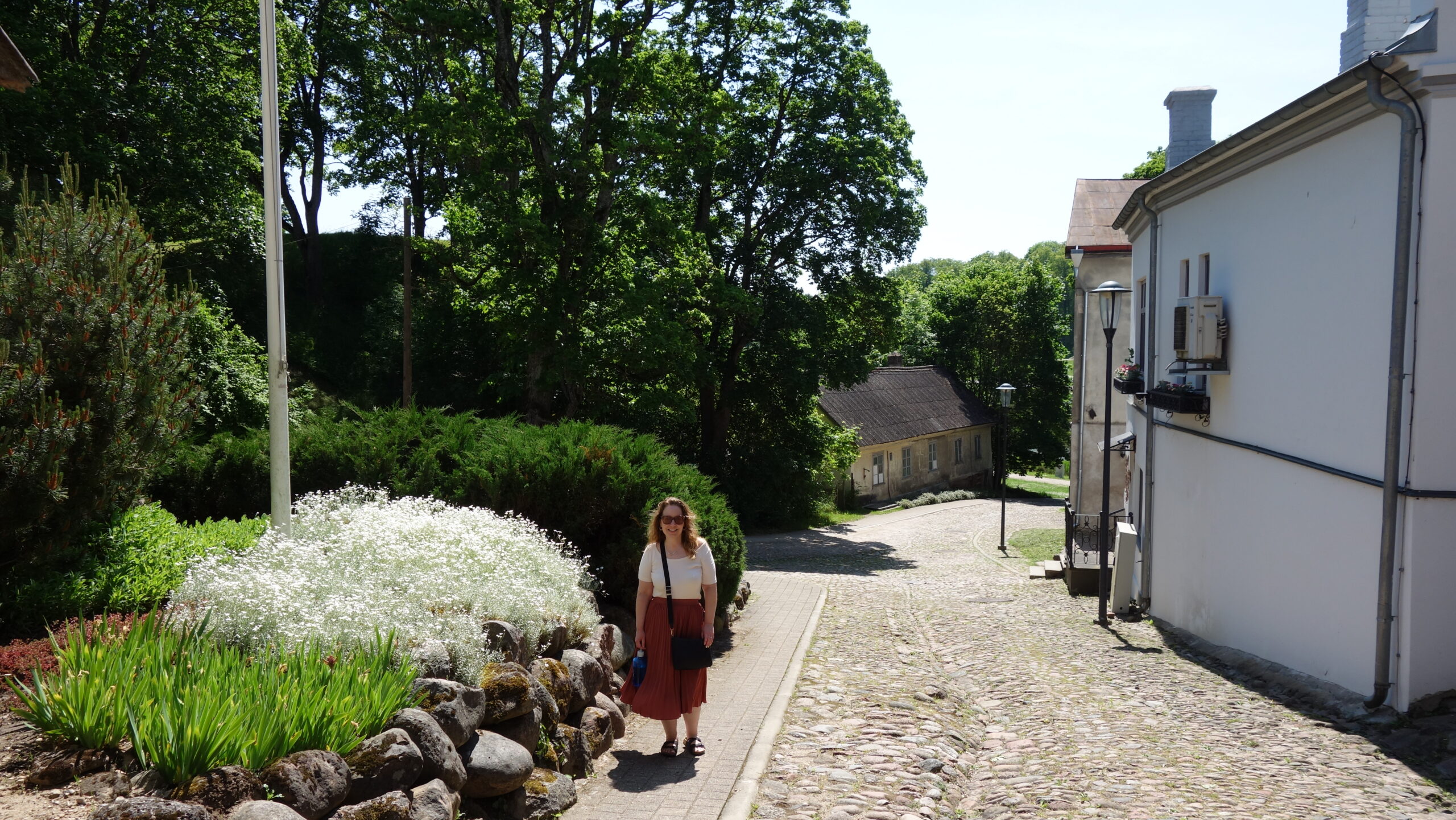
Category Archives: Uncategorized

Wales 2024 – Day 8, Monday, Cardiff, Wales

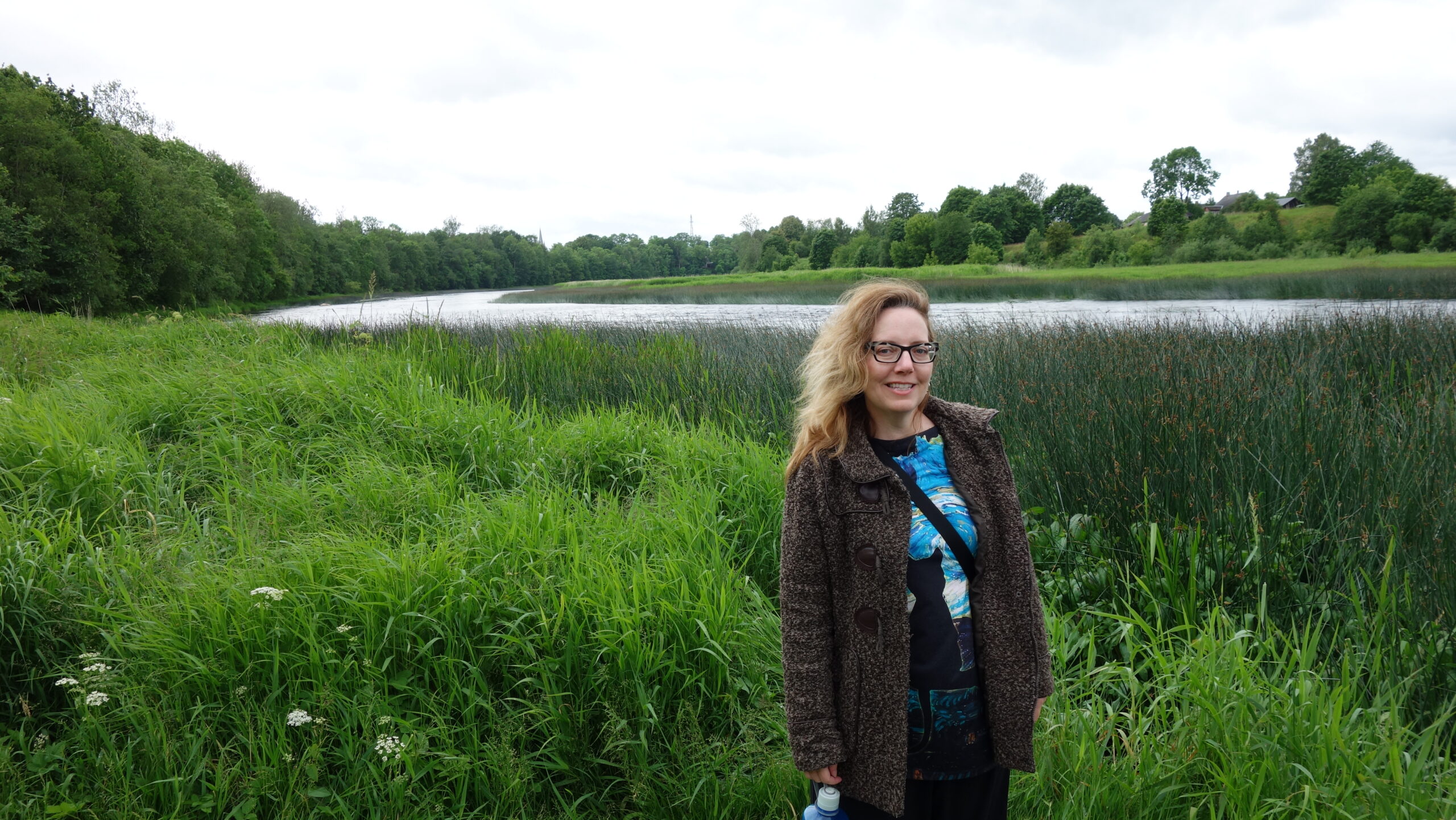
Today we traveled back two thousand years, navigated a river, went to Norway, went blind, walked out on that dam thing, went to Antarctica, and went shopping when we weren’t allowed to buy anything. We had a busy day.

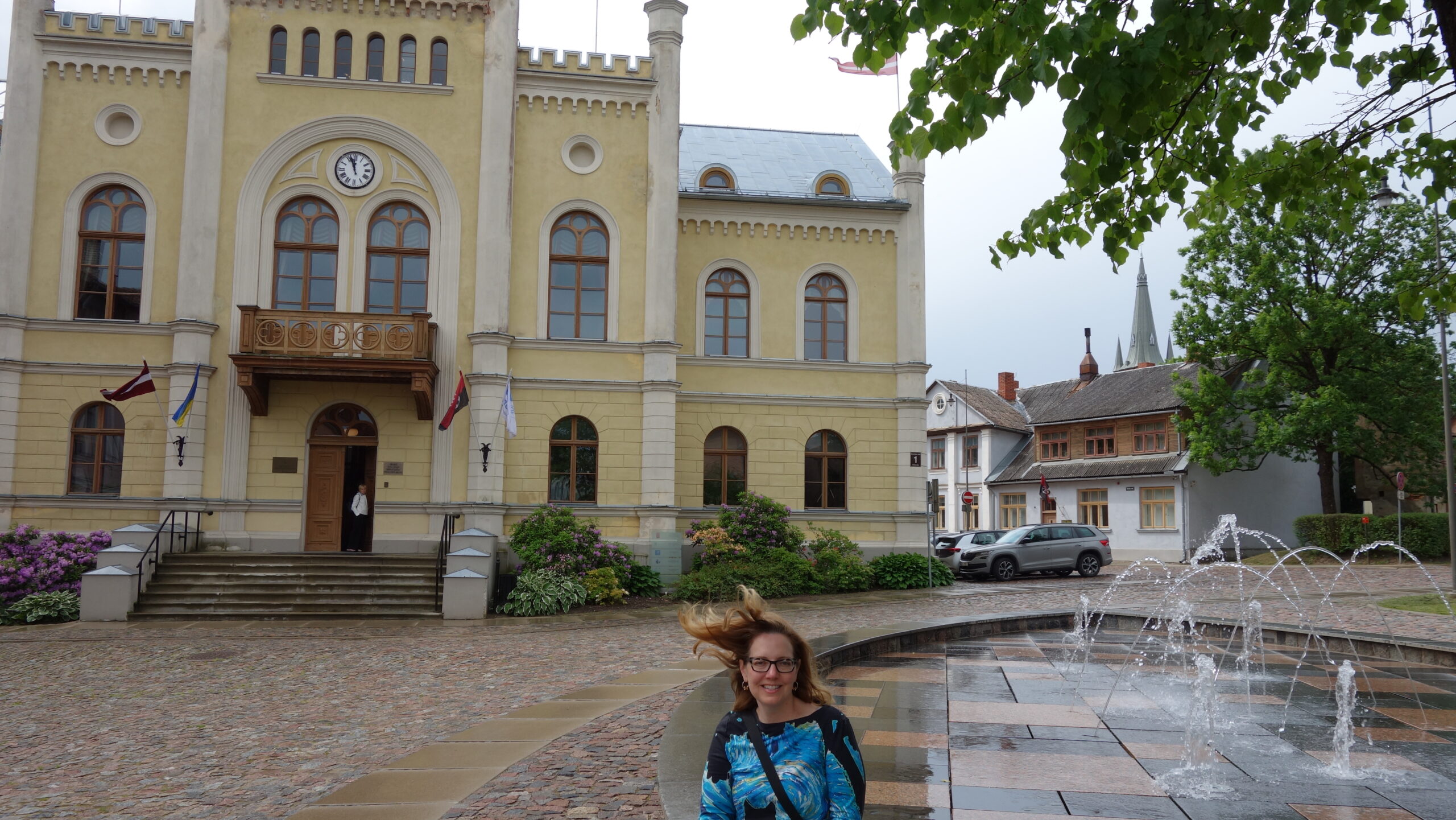
We drove into Cardiff, taking about twenty minutes, and even successfully found a parking garage near our destination of Cardiff Bay, which is about two miles south of the city center (or “centre”). We passed the rather humdrum-looking Welsh parliament building, and then passed the really spiffy Welsh parliament building (the first building looked like and thus probably was an office building attached to the meeting place of the parliament). We got situated in front of the ornate and very red Pierhead Building.

In 1800 Cardiff was a village of about two thousand people. By 1900, the population was almost one hundred times that. Cardiff Bay had become one of the leading ports for the export of coal, and specifically Welsh coal, which burned more warmly and cleanly than most coals. It made Cardiff very, very rich, and the city expanded the dock areas four times and installed almost two hundred miles of railroad in the city to handle all of the freight. To coordinate and supervise (and charge ships for) all of this coming and going, the man who owned the docks built a large terra cotta (red clay) building to house the clerks and managers of the docks. It is now owned by the Welsh Parliament and houses a quick history of the city, including a wonderfully self-aware, cheesy animated film that started with the Romans coming and building a fort around 55 AD and worked up to present day.

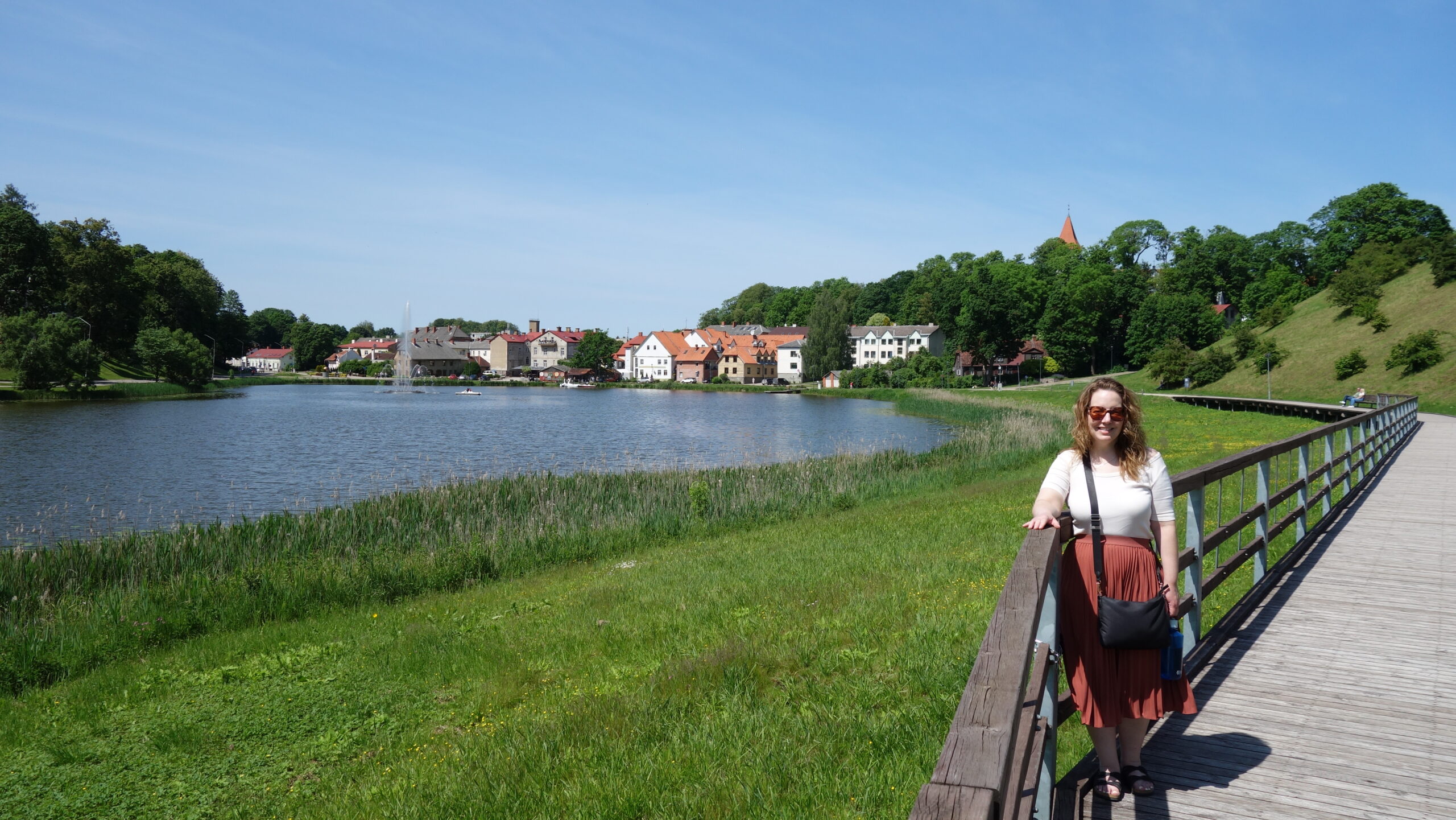
Coal demand dropped after WW II with cheap imported coal becoming available, and Cardiff’s economy suffered. The docks transformed to handle big cargo container ships, but even that dried up, and so by the late 1970s, the bay area was an abandoned industrial wasteland. Enter the town council, who came up with the radical plan in the mid 1980s to dam up the mouth of the harbor. Cardiff Bay has huge tides (I estimated the tide marks to be pushing twenty-five feet), which made the harbor hard to manage. The plan was to make the inner harbor a stable freshwater lake fed by the River Taff, with a lock system to the sea for shipping and a fish ladder for the fish. They managed to get the thing passed and built, and the plan worked. The harbor is now a beautiful zone of shopping and culture and government buildings, and a walking and biking path now circles the whole bay.

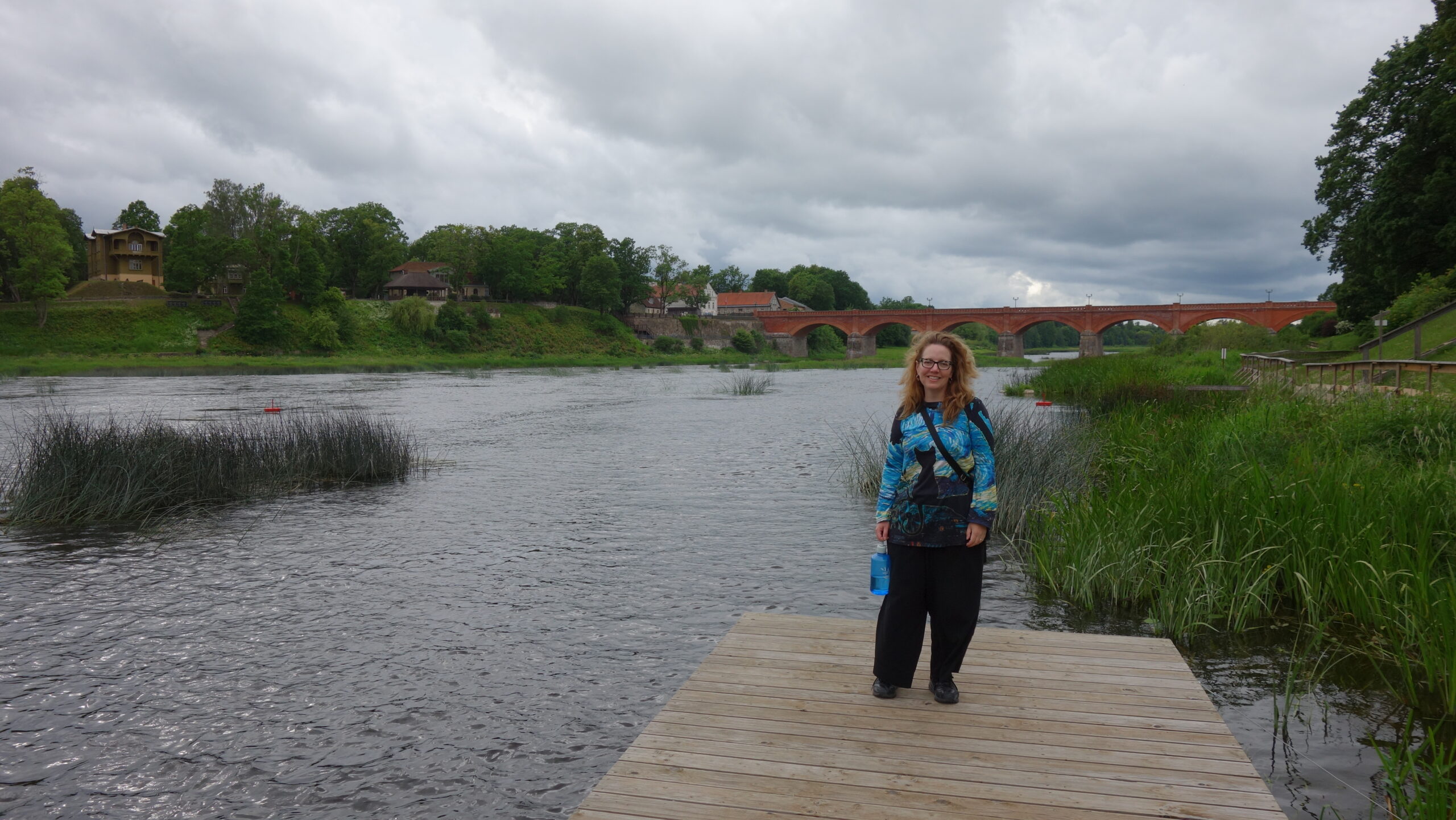
Several boating companies offer cruises in the harbor or up the river, and so it was that after we toured Pierhead, we got on a boat that cruised up the river to about where Cardiff Castle is. We had a commentary along the way, and learned that the Victorians moved the river to a new course to make the land around the castle more stable. We also discovered that the 75,000-seat sports arena cost twice as much to build as the parliament building, which I think has much to say about priorities. That is also the arena that Pink is playing tomorrow night, so if you estimate that thirty or forty thousand people coming to the concert need somewhere to stay, you can see why Meredith had a hard time finding us a hotel for this week.

After the cruise, we popped quickly into the Norwegian church on the bay. It was built for Norwegian sailors who traded here, and eventually fell into disuse and disrepair. It was taken down and put into storage for a few years, and then rebuilt and restored on the bay during the 1990s. It is now a cafe on the ground floor, and a not-too-subtle branch of the Norwegian tourist board on the second floor, telling you all the great places you should come and see in Norway.

After the church, we went over to Roald Dahl Plass (place) to look at the pretty square in front of the very pretty and unusual opera house, the Wales Millennium Centre. The building is open even when performances aren’t showing, so we popped in to look around. Most of the food places were closed (the bay area was very quiet today – Mer thought we were too early in the summer for the main tourist time), but we stumbled on a little six-seat theater showing a film of a paralyzed woman joyfully gliding around underwater in a specially fitted-out wheelchair. It’s part of a partnership with a local theater that puts people with disabilities on stage with fully functional performers. We even came back after lunch to do the next experience, which was putting on a VR headset to experience what it is like to be blind.

That is very odd, I know, but it worked really well. The VR headset piped in the audio diary of a man who had gone blind as an adult, and the recordings were all of him describing how he “saw” the world through sound. On the VR screen, we could only see dim sketchy outlines of things, and only if they made noise. So the man would describe how the wind or the rain made the world come alive for him, and we could see the outlines of trees rustling in the wind or rain. The entire experience lasted about twenty minutes and was very captivating.

From there, we walked around the harbor out to the Barrage, the dam that was built to keep the tides out of the harbor. People were out walking and biking and enjoying the space. When we got to the Barrage, I was surprised to see mud flats almost as far as I could see – the tide was out, and I could see the line the high tide left on piers, which is where I guessed they had twenty-five-foot tides (I just looked it up – they have twenty-eight-foot tides). Well out on the dam are a couple of large sails to cover a pavilion, so we walked over to that and discovered a short display on the failed Scott expedition to the South Pole back in 1911. Scott had raised about half of his funds from Cardiff, and he set sail from Cardiff Bay, promising to stop in Cardiff first on the way back. Sadly, Scott never made it back from Antarctica.  He and four companions trudged all the way to the South Pole (only to find out that a Norwegian named Amundsen had beaten them there by a few weeks) and then made it most of the way back to where the rest of the crew were waiting; however, before reaching them, Scott and the four others succumbed to exhaustion and a blizzard.

That wrapped up our tour of Cardiff Bay. We walked back to the car and moved it two miles to a new parking garage, taking about twenty-five minutes to do so (traffic was difficult). Having parked near the castle, we did a tour written up by Mer’s favorite guidebook author, Rick Steves. Since it was after 5:00, most things were closed, and so several of the things Rick pointed out we couldn’t check out. We did have supper at the start of the walk, and then ended up heading away from the castle along the two main pedestrian shopping zones. There are several Victorian glass-roofed shopping arcades along the way, and we even managed to get into part of one that had an open restaurant, but all the shops were closed, so we couldn’t stroll the arcade. Much the same was true for the rest of the pedestrian zone – the restaurants were open, but the shops weren’t. Or the main church. Or the old library. But it was still a lovely walk – I do love pedestrian-only zones in town centers.

And that was our day. We drove back to our Pink-inspired hotel on the edge of the city, where we got candy bars from the handy rest-stop store. We both agreed we aren’t going anywhere near downtown tomorrow night. We probably couldn’t get tickets to the concert anyway.

Wales 2024 – Day 7, Sunday, Llangollen to Tintern Abbey to Cardiff, Wales

The Church is much more than a building. According to scripture, the family of believers makes up the body of Jesus and thus is the church. We were reminded of that in several ways today.

We started the day off by walking a few blocks to City Church, a small church in Llangollen. As we walked up to the building, we heard an alarm going off, and as we entered, it became quite deafening. It turns out the fire alarm was going off, and it took a good twenty or thirty minutes to get it turned off (I note with a little, um, alarm, that no firefighters ever showed up). Rick, a member of the church and the guitar player/singer, kept us company outside the entire time, making small talk. That was kind of him.

Once the alarm was off and after some initial setup, church got underway with a good thirty minutes or so of singing. The pastor (Brian) then got up and told us he felt led by the Holy Spirit to shelve his prepared sermon and to turn the service over to prayer. It turns out the little church of just twenty or so members has been going through very tough times. The pastor’s fifty-year-old daughter-in-law just recently passed away from her heart stopping beating, with the doctors not able to answer why. A long-time friend of the pastor had turned on a propane grill, and the tank exploded, killing the woman. Another member of the church was watching online because he was home with terminal cancer, and there were other illnesses for which to pray. So we spent a good long time praying for each other, and the pastor came and prayed over me and Meredith even though his own heart had to be breaking. This was the body of Jesus in action, and it was moving. We finished the service with more music, and Mer and I were invited to stay for coffee and fellowship, but we had to get on the road to get to another church.

After three and a half hours of driving on good but not-highway roads, we pulled up to Tintern Abbey. Several years ago, when we were on the Isle of Skye in Scotland, I was driving us to see the “Fairy Glen,” which was supposed to be where the fairies lived. Mer had asked me if we would know it when we got there, and when we turned the corner, we saw all of the fantastical cone-shaped mounds of earth with ringed tracks all around them. It was obvious we were there.

Much the same happened today – my GPS said we were at the abbey, but I didn’t see it. I reprogrammed the GPS for the last of three listings for the abbey, and drove on for another quarter of a mile, wondering if we’d see it. We came around the corner, and one of the biggest and best-preserved ecclesiastical ruins I have ever seen hove into view. It was magnificent and gorgeous.

We parked and paid to get into the abbey, although the views from the road were very fine. Because of the time, we only had about forty-five minutes to wander the grounds, and the south wall of the main church was blocked off by scaffolding for restoration efforts. Since Henry VIII had stripped the abbey of its roof and windows (and anything else he could sell), the interior walls have been exposed to the elements for the last four hundred and fifty years, and they are starting to deteriorate to a point that parts of the site could be dangerous if not treated and repaired.

But still, what a structure. The two huge window frames were still largely intact, and the arched ribbing of the building survives. The southern part of the church has more of the original structure standing, but the northern part is scenic with stone against sky. There was information about the abbey and the monks who lived there, and we learned a few new-to-us things:

– The Cistercian monks were excellent water engineers, and had piped water throughout the abbey complex.
– The monks were expected to tolerate the cold, with only one fire allowed in the “warming room.”
– They only got one meal a day in winter and two per day in summer. They drank about a gallon of mild beer each day, and that provided them with twenty-five percent of their calories.

Once we were done with the abbey, we found out from a guide how to climb up a proximate hill to a small church to look down on the abbey. She directed us, but warned we might not see much because of the leaves on the trees. She was right and wrong. When we got to the church, we couldn’t see the abbey, but we could see some of the countryside, including some rising smoke, just as Wordsworth mentions in his poem “Lines Composed a Few Miles above Tintern Abbey.” That made Mer very happy. But what was also quite a scenic delight was the fact that the small church to which we had climbed was also a shell – the church had suffered a fire in 1977 and was left derelict. My, how quickly nature acts! We walked into the church, and much of the interior space was filled with fairly good-sized trees. Most of the church walls were covered in ivy, and the back of the church was hard to make out from all of the growth. And all of this has happened in less than fifty years. Wordsworth and the other Romantics would have loved the church and its setting, so Meredith was even more delighted. While we couldn’t have claimed to have seen the exact spot where Wordsworth composed his poem, we were definitely “feeling the vibe” that Wordsworth would have felt. It was a very fine stop.

From there we drove on to our hotel in Cardiff. Mer had warned me that it was a chain hotel on the edge of town. Although Mer had made reservations back in February, she couldn’t find rooms in the city. She was confused about that and eventually found out that the very popular pop singer Pink is starting her world tour in Cardiff on Tuesday, and so hotel rooms are all booked up. I didn’t think too much about the chain hotel, though – I’ve stayed in chain hotels before, and they are fine. I was looking forward to wandering around a suburban neighborhood of Cardiff as we went to find supper.

Then the GPS pulled us into a rest stop. Just the other day, I had seen a hotel at a rest stop just off the highway and had wondered who would ever stay there. It turns out we would. The hotel is just off a major road, in the middle of a business park. So much for wandering around. We did find a British buffet chain on the far side of the rest stop, so we ate there. It seemed better than Burger King or KFC.

We conferred and decided to get an early bedtime tonight with the goal of getting up and out efficiently tomorrow. In the scheme of things, a hotel that requires a car to get into the city is not a big deal. At least we have a roof over our heads and we’re healthy.

Wales 2024 – Day 6, Saturday, Ruthin, Wales

One of the recurring joys of travel is when we encounter something unexpected and unplanned. The regular sights we visit are almost always worth going to see, but the unexpected moments of beauty or humor or kindness are always special.

After breakfast in a cafe by by the Dee River, we set out, first stopping at the very nearby Abbey Farm. You might think it’s a farm with an abbey on site, but you’d miss out on the genius of having an RV and camping park with an abbey on site. An abbey that is locked and inaccessible except (as it turns out, which I learned when I looked it up) by booking a guided tour online. We still walked around the perimeter and saw the abbey from two very good angles. Mer, who was in charge, decided that this was enough for a bonus sight on the way to the town of Ruthin.

We drove on the shockingly good road over the Horseshoe Pass and along a very winding road to Ruthin, a town of 5500 people. For such a small town, Meredith had a long day of touring set up for us, starting with Ruthin Gaol (jail). Ruthin Gaol was a prison from about 1650 to about 1915, with a new Victorian wing added in the 1860s. That wing now forms the museum of the jail, which has been restored to the Victorian model after having been town offices (after 1915) and a munitions factory (during WW II). This is the third Victorian prison Meredith and I have seen, after seeing Dublin’s on earlier trips and the Lincoln Castle prison just the other day. While not ever wanting to be in prison, I’ve been impressed at the amount of light and air these prisons had in them. In the case of Ruthin, the cells each only held one prisoner, as they were designed. Dublin and Lincoln were made that way but gave way to overcrowding as more prison space was needed.

Ruthin had very strict rules about keeping clean and keeping the prison clean. Prisoners were given a bath once a week, and cells had to be swept every morning and washed one or two times a week depending on the season. Long-term prisoners got more and better food so that they would stay healthy and be available for work. Work could be walking on the prison treadmill to pump water up into the water tower, working in the kitchen, breaking rocks up for use in roads, or doing pointless tasks like turning a handle that simply ran a counter, which was used as a punishment.

Prisoners were forced to exercise in the yard one hour a day, during which they had to walk around in silence, each holding on to a common rope to keep space between each other. They wore caps with masks to they would have a hard time talking, and those who did talk were punished by losing food for the day. The thought behind having a silent prison was to punish the wrongdoers, and to give them space to contemplate what they had done and drive them to God. The silent-prison approach was abandoned in the late 1800s.

The museum had good interactive activities in the cells for kids, from finding various bears that were locked up to having kids plan an escape. It was very clever.

After the jail, we hiked back up to the town center to go tour the oldest known timber house in Wales, having been lived in continuously from 1435 to 1984. The house has been restored, but the genius of this house, which I have never seen before, is that it’s been restored to seven different eras in the home’s use. The original hall is restored to the 1940s, and there are rooms set up from the 1400s, the early 1600s, the late 1600s, the 1700s, the late 1800s, and the early 1900s. It was a great way to see the changing times and a reminder of how many people lived in the home.

The back of the house contains a pretty garden, both a formal manicured garden and a nut-tree garden that is fairly wild. We explored both the house and the garden and enjoyed the time there.

From the house, we went down from the town center to a craft/arts center, where we looked an exhibit on a woman who makes somewhat abstract clay sculptures of animals, looking to tap into the “truth of the animal.” I can’t say I loved her work (the faces of the animals tended to be fairly grotesque), but the work was thought-provoking.

We grabbed a free “art in the streets” map from the center and spent about an hour wandering town looking for “spy holes” (like peepholes) that let you see 3-D photos or creations of artist renderings of things inspired by Ruthin. Since the holes were subtle, it took some work, but we managed to find them all. We rewarded ourselves with supper.

We finished supper about 7:00, which put Mer in a bit of a bind. She felt it was too early to go back home, but too late to do the hike she had been planning. I reminded her that the only major thing we hadn’t seen in town was the grounds of the castle, so we headed there to see if they were open. They were, since the castle is now a hotel, so we poked around the free grounds.

The castle is a newer one from the 1800s which sits on top of and is surrounded by ruins from a much older castle from the 1200s. It was fun to explore the ruins, but the real joy came when we stumbled on the colony of peacocks. We had heard their distinctive cries, but were pleased to find at least four peacocks and three peahens. It seems it is mating season, so the males were doing their best to impress the ladies with a full display of plumage. The peacocks weren’t afraid of us, so we grabbed chairs and watched them for twenty or thirty minutes.

We walked around to the front of the hotel, and I decided to try my luck to see at least the lobby. The receptionists were very nice and not only said we could look around, but took us through another room into a huge room set up for a wedding fair tomorrow. The ceilings were ornate, and there was a huge chandelier, along with mirrors reflecting lights. The sign for the hotel had advertised “fairytale weddings,” and the staff members were doing their best to back that up.

We were pleased enough with the castle that we decided to get dessert there, so we ate in a small but elegant room. It was a mellow way to extend our time there.

On the way back to the car, we got one last unexpected joyous moment. As we passed the open-air seating of where we’d had supper, we heard a couple of women singing “Happy Birthday,” but in the Welsh language. It was great both knowing what they were singing but having no idea what they were singing.

That was our day, and with a drive back over the pass, we got back home for the evening. Tomorrow we’re off to Cardiff, where I hope to make many happy memories, planned or not.

Wales 2024 – Day 5, Friday, Llangollen, Wales

“Say,” says the attentive reader of Ye Olde Blogge. “I hate to tell you how to go about your business, but I can’t help but notice that there hasn’t been, you know, a whole lotta Wales in your Wales trip yet.”

So true, but we fixed that today! We had breakfast with Dubbs in Lincoln, and then drove for about four hours to get to the small northern Welsh town of Llangollen (they have a two-for-one sale of the letter “L” going on). We got here about 2:00, so you would think that we wouldn’t get much touring done today. But you, dear reader, aren’t married to the Energizer Bunny of tourism.

We couldn’t get into our room until 4:00, so we jumped right into touring mode. The main parking lot next to our hotel was full, so I drove further up (and I mean up) Hill Street, which was one lane most of the way until I found parking on the side of the road. Mind you, it wasn’t terribly wide there either, but parking was legal. Why have two driving lanes on the road when you really only need one most of the time?

From there, we walked up Hill Street more to a side road, where we walked on to the grounds of Plas Newydd, a house that became famous from two ladies who lived there together for fifty years, from about 1780 to 1830. The two ladies (one of whom was a capital-L Lady) were ladies from Ireland who fled together to Wales. One woman was being pressured to go into a convent, and the other was attracting the eye of a married man in his fifties. The two women were friends and so decided to go live a retired life together with their maid, who helped them flee Ireland.

The women were seen as a bit eccentric, as they wore practical Irish clothing that was more masculine than normally seen in the area, but the locals seemed to enjoy them, especially as the ladies looked out for the village as best they could. The town has a popular hotel where horses were changed, and somehow word got around about the women, and so they ended up hosting many famous people including Sir Walter Scott and William Wordsworth (who wrote a poem specifically for the women). At some point, the ladies got obsessed with making their farmhouse appear to be Gothic, so they asked friends to send them anything that was of carved oak. It seems that carved oak was going out of style, so people sent the women pieces of furniture, carved chests, wall paneling, church décor, and so on. The women had it mounted on the front of the house, up the main staircase, and in other rooms. It is quite a visual display.

Outside the house, the grounds are lovely, with topiary out in the front and a woods walk down to a stream in back. We spent over an hour at the house and grounds.

Down Hill Street we went, across a bridge over the River Dee and up another street to look into canal boat cruises. They were over for the day, but when Mer asked, the woman gave us instructions on how to hike up to the castle ruins above town, which I was pleased to do. The woman’s directions boiled down to “keep going up.”

Up we went. There seems to be a theme of elevation going on in this town. It was about a mile and a half of up, counting switchbacks, but we took our time in the beautiful sunshine and stopped often to admire the unfolding views. When we did get to the top, we had a stunning panorama in any direction, as well as the castle ruins themselves.

The poor people who built the castle. It seems that it was only inhabited for about twenty years back in the 1200s. Then the Welsh burned it down so that the English wouldn’t capture it and use it. The ruins are very picturesque, though.

The views looked out over the Welsh mountains to the west, an escarpment of exposed rock to the north, more hills and a canal aqueduct to the east, and hills and the town to the south. We also had a fair amount of wind, but after the climb up, the cooling effect was welcome. We walked around the ruin for twenty or thirty minutes and then headed back down.

We checked in to our room and then got supper at a cafe on the river. By then it was 7:30, but there was still daylight plus sights unseen! So we went back up the far side of the Dee River, to the canal that is above the town, and we hiked the towpath back up the canal, 1.75 miles to the source where it splits from the Dee. There’s an artificial falls there shaped in a long arc that I think helps create a reservoir. It was a flat walk, but the river was pretty where we could see it near the end of the hike, and the canal was smooth and reflected the trees and bridges above it. It was a peaceful walk.

And so, after managing to cram thirteen miles of walking into a seven-hour touring day, we retired to our room. We’ll get to add more Wales to the Wales tour tomorrow.

Wales 2024 – Day 4, Thursday, Lincoln, England

Sometimes a place has so much history that if you have just one day to see it all, you can only dip your toe in the shallow end. Such was today, especially since most things in Lincoln close down at 5:00 even in the summer.

Dubbs met us at out hotel for breakfast, and then we drove out the couple of miles to the International Bomber Command Centre. The IBCC is a memorial to the bomber crews and support staff who were based in Lincoln County, which held twenty-seven airfields for bombers. The IBCC only opened in 2018, and so the museum and memorial make good use of modern design.

We joined a tour of the grounds, which took us to the front memorial commemorating Operation Manna, in which the British dropped thousands of tons of food to starving civilians in the Netherlands in the winter of 1944-45. We then wrapped around to the side of the building to see the peace gardens planted with plants from all the continents that served with the RAF (all six habitable continents and more than fifty countries). The guide took us to a lime tree grove where there was a tree planted in the relative location (compared to the other trees) of each air base in the county. I thought the trees were lime trees because of the nickname for the British (“limeys”), but the guide said they were hardy and didn’t grow so tall as to obscure the Spire, which is the main memorial to the air crews who died in service.

The Spire is a tall airfoil-shaped piece of steel that is as tall as the wingspan of a Lancaster bomber (102 feet tall). It’s on the top of a hill opposite of the Lincoln Cathedral, and is surrounded by steel plates with the names of all the men (and one woman) who died flying on a bomber cut out of the plates. There is also a sculpture of an air crew who died on the Dambuster mission in 1943 that is silhouetted against the sky and cathedral, which is very moving.

Meredith and I then headed in to the museum to a prestation room (Dubbs had to do something school-related). In the room, we played the part of members of aircrews as we were briefed on our mission on June 5th, 1944, for Operation Taxable (as part of the D-Day landings). We received precise navigation and meteorological reports, and got our orders to fly in circles over half the English Channel, dropping “window” – strips of aluminum which would scramble German radar. Because it made radar useless and the strips drifted toward Calais and away from Normandy, it made the Germans think something major was moving toward Calais. The presentation was fitting, as today was the eightieth anniversary of D-Day.

We met back up with Dubbs and Candice for the small but excellent museum. There is a small theater showing films about the bombers and crews, and a room-spanning placard series showing twenty-four hours in the life of a bomber crew. There were multiple places where you could listen to crew and ground crew tell stories, and several films of people in uniform telling you how they worked and fought. Since one of the missions of the IBCC is for reconciliation, I saw a young German fighter pilot tell how he shot down a Lancaster, which was still somewhat hard for me to hear. It’s an important reminder that the vast majority of Germans were doing a job they were forced to do.

That wrapped up our quick overview of the IBCC. I could have spent more time there, but we needed to move on to Lincoln Cathedral. Candice had other commitments, so she left us there. Dubbs showed us a couple of tombs of some of her more royal relatives from way back, and we looked around the cathedral while waiting for a tour and trying to avoid the service for hundreds of school children in the main space. Meredith and I were very much amused at a stone placed in the floor that read something to the effect of “This stone is a temporary marker for so-and-so, died 1777.” I’m sure they are going to get the permanent marker in place any day now.

We met up with a tour guide at 2:00, and she took us outside so we could hear her since the school service had just ended. Some highlights from her tour:

– The cathedral was started just before 1100 and originally had a wooden roof that burned twice. When it was replaced with a stone roof, the walls collapsed forty years later “in an earthquake” from which no other buildings suffered.
– The rebuilt cathedral was going to be in one style, but ran out of money, so they kept the older facade.
– The inside and outside used to be very colorfully decorated, but the decorations were all destroyed by Cromwell and company.
– There was a “dole window” where poor pilgrims could knock and get enough money for a meal and lodging. Our guide intimated that this is the source of the expression “on the dole.”
– One of the large high-up stained glass windows is actually just full of old window shards reused in the new window. It’s quite pretty, and you can’t tell without binoculars that it’s reusing shards.

More touring! More history! Off we went to the Lincoln Castle, which still has intact walls. The inside of the walls contains a Victorian prison and a building that has been used as a judicial hall on and off over the centuries. But the walls are the real prize. You come up sixty-five steps to be greeted with a grand view of the cathedral. You are then allowed to circumnavigate the entire wall, including being able to go up the one existing tower. On a sunny day, it was pretty spectacular.

We went down to the vault area to see one of the three displayed copies of the Magna Carta (the others are one in the British Library and one in Salisbury Cathedral, both of which we have seen). We went down into the vault, and there it was! The last in our collect-them-all series! Boy, it sure looks to be in good shape! Why is the docent apologizing for the replica? It seems the real Magna Carta was taken away to an unknown secure location yesterday, so we missed it. We did get to see a good film on how the document came to be (near civil war with the king) and why it has been so important (the first document to limit a monarch with law).

That ended the history tour for the day, as it was almost 5:00. We got a very good supper in the old quarter, got a quick tour from Dubbs of parts of the Roman wall that still exist in a few places, and then went down Steep Hill (it’s really called that) to a pub for a pub quiz (trivia). We met up with another of Dubbs’ friends and classmates, a fun young woman from India, and we whiled away a pleasant hour or so playing trivia. We came in second of four teams.

And so we said goodnight, and Mer and I headed back up Steep Hill to go to our hotel. Sometimes you have to work surprisingly hard to get to the shallow-end stuff.

Wales 2024 – Day 3, Wednesday, Hadrian’s Wall and Lincoln, England

Travel takes a little bit of madness. You pay a fair chunk of money to be up for twenty-four hours to get to somewhere to disrupt sleep patterns, eat strange foods (or at least familiar foods prepared in strange ways), make your feet and other body parts hurt with exertion, encounter strange languages like Scottish and North Lancastrian, and generally put yourself out there into unknown situations. And a little madness sometimes leads to bizarre things, like letting Dubbs be in charge.

We were driving from Keswick to Lincoln, where Dubbs and Candice are working on their master’s degrees, which is a little over three hours away. But Dubbs wanted to see Hadrian’s Wall, which adds about eighty minutes to the trip. But a) we’re all nerds and like old things, and b) we knew we’d spend more than eighty minutes on the site. So off we went, getting to Housesteads Fort along part of the wall.

Dubbs picked that part of the wall because of the fort (the foundations and some of the walls of the fort are in excellent condition), but also because it has a small section of Hadrian’s Wall on which you can (legally) walk. And so we churned our way the half mile from the parking lot to the museum and fort, mostly uphill (it seems the Romans wanted to put a wall and fort at the top of a hill), with a temperature of fifty and in winds gusting over thirty miles per hour in spitting rain. I was pleased to be wearing every jacket I brought, for a total of four layers.

The fort remains varied from being roughly ground-level to being about four feet high, and there were information placards all over the site. We started by going around the entire outside of the fort, climbing to the top of the hill where the fort and Hadrian’s Wall met, and then we went down along the wall, through a gate, and back up the other side of the fort, all in varying degrees of rain. Once we got to the front of the fort and entered it, the rain ended, although the wind kept us company.

Dubbs called Rome “the original franchise” because the Romans standardized so many things. The Roman fort was based on one design, which was adapted for local topography. It had four gates, which had roads that led to the main administrative center of the fort. There was one large (and heated) house for the commander and barracks for the eight hundred men who manned the fort. The men slept eight to a room in cramped quarters. There were some buildings right outside the fort for tradespeople and some families of the soldiers. This particular fort was in use for over three hundred years (from about 100 to about 400).

We wandered all over the site learning these things, and Meredith asked the ticket taker where we could walk the wall. She indicated up the hill to where we had started our tour. I had seen the wall and wondered about it, but Dubbs had protested that the sign at the top of the hill indicated that the wall trail went down along the fort and not back along the wall. I imagine the sign makers from thirty years ago:

John: Hey, Bob. I finished the sign for the wall trail going this way. Should I put the other sign up for the wall walk?
Bob: Eh. It’s a wall, and you can walk on it. It seems pretty evident to me. Besides, the match is on the telly at the pub in twenty minutes, and it’s raining and windy. I say we leave it.

At any rate, we went back up the hill and walked the half mile or so of wall that could be hiked. The views were spectacular and the drop-off on the Scottish side was dizzying in places. We came back along the normal footpath next to the wall.

We explored the small museum, and then went back to the car park area and had lunch at the cafe. All told, we were on site for over three hours. It was a good time.
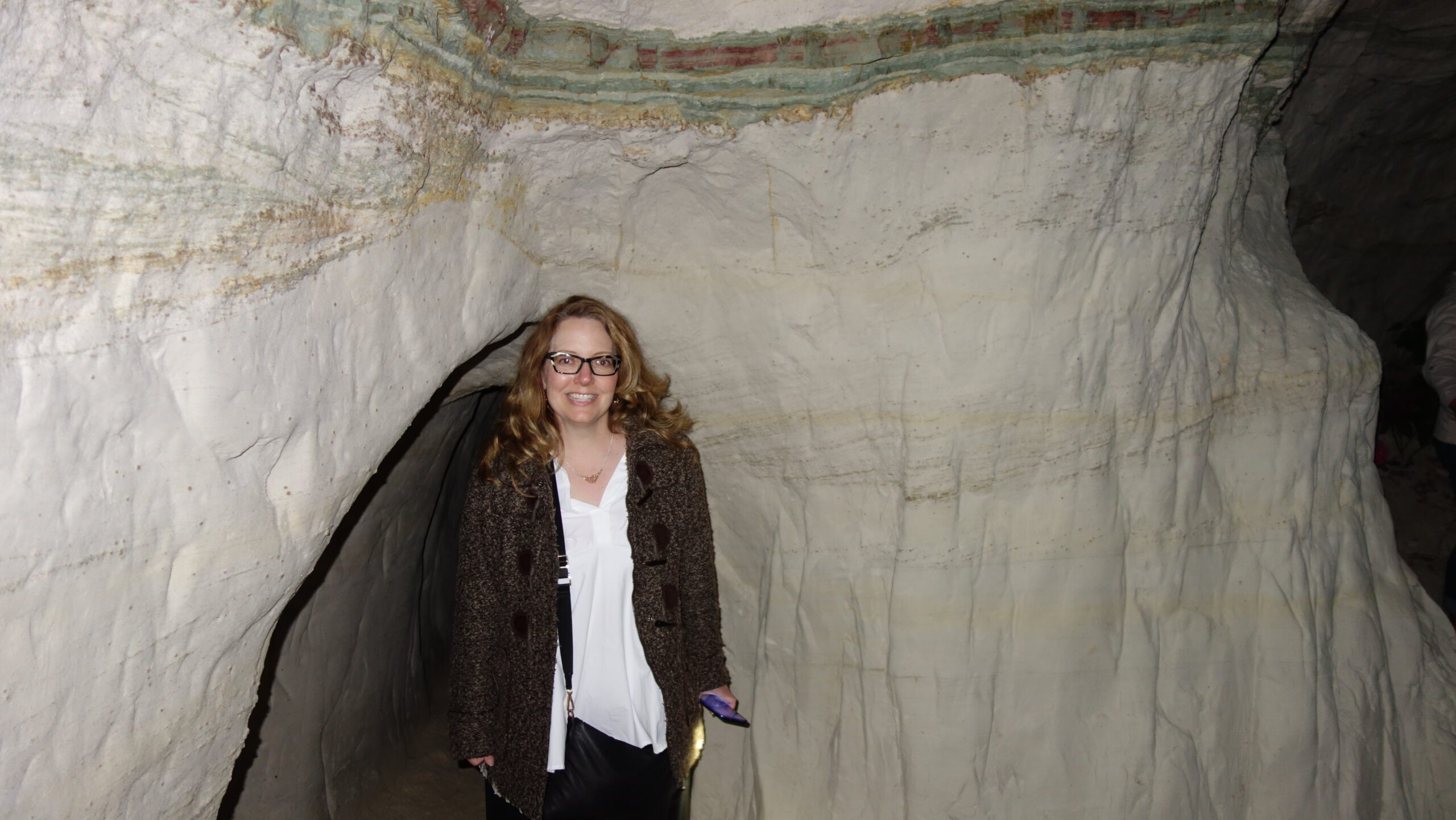
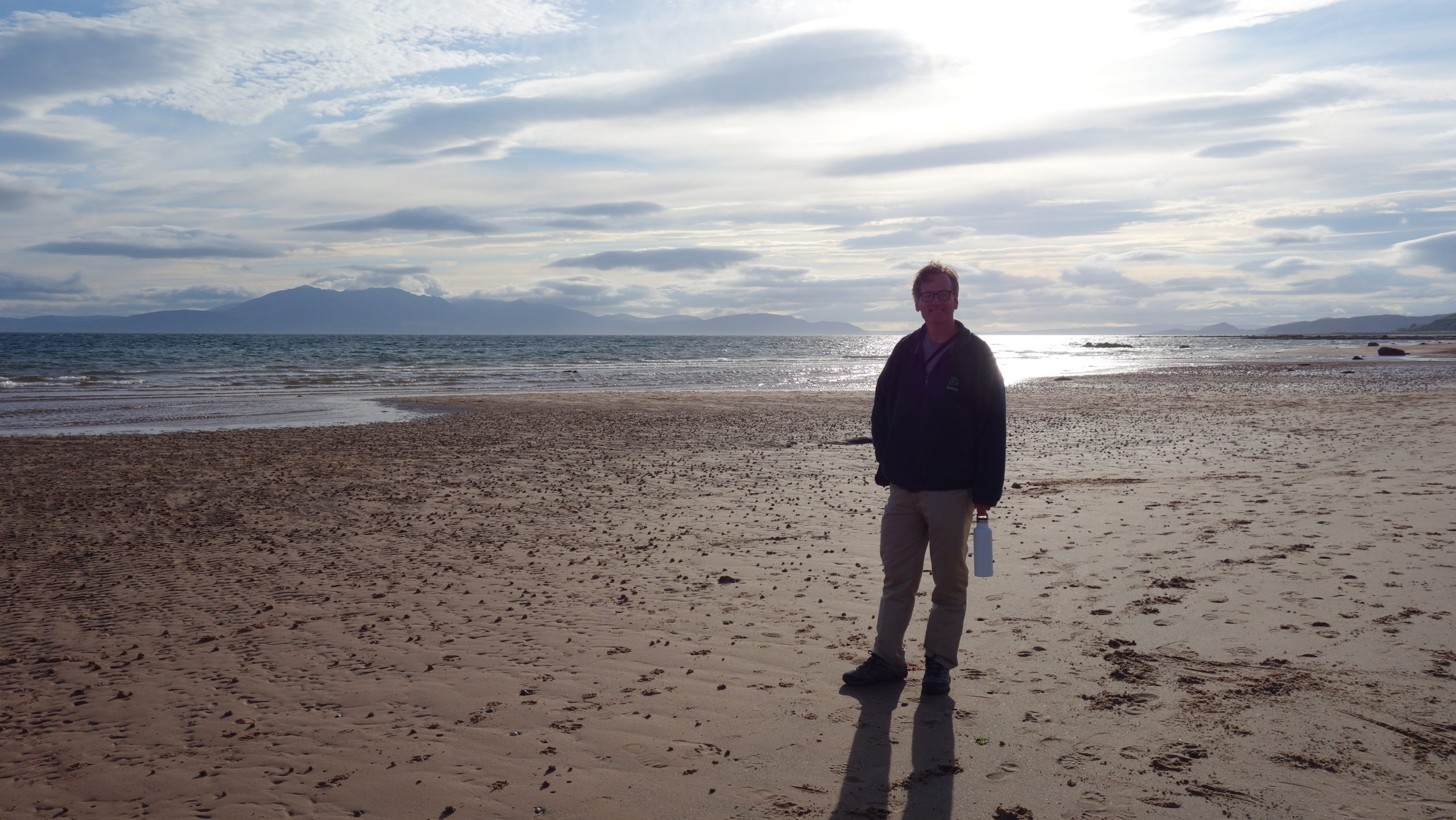
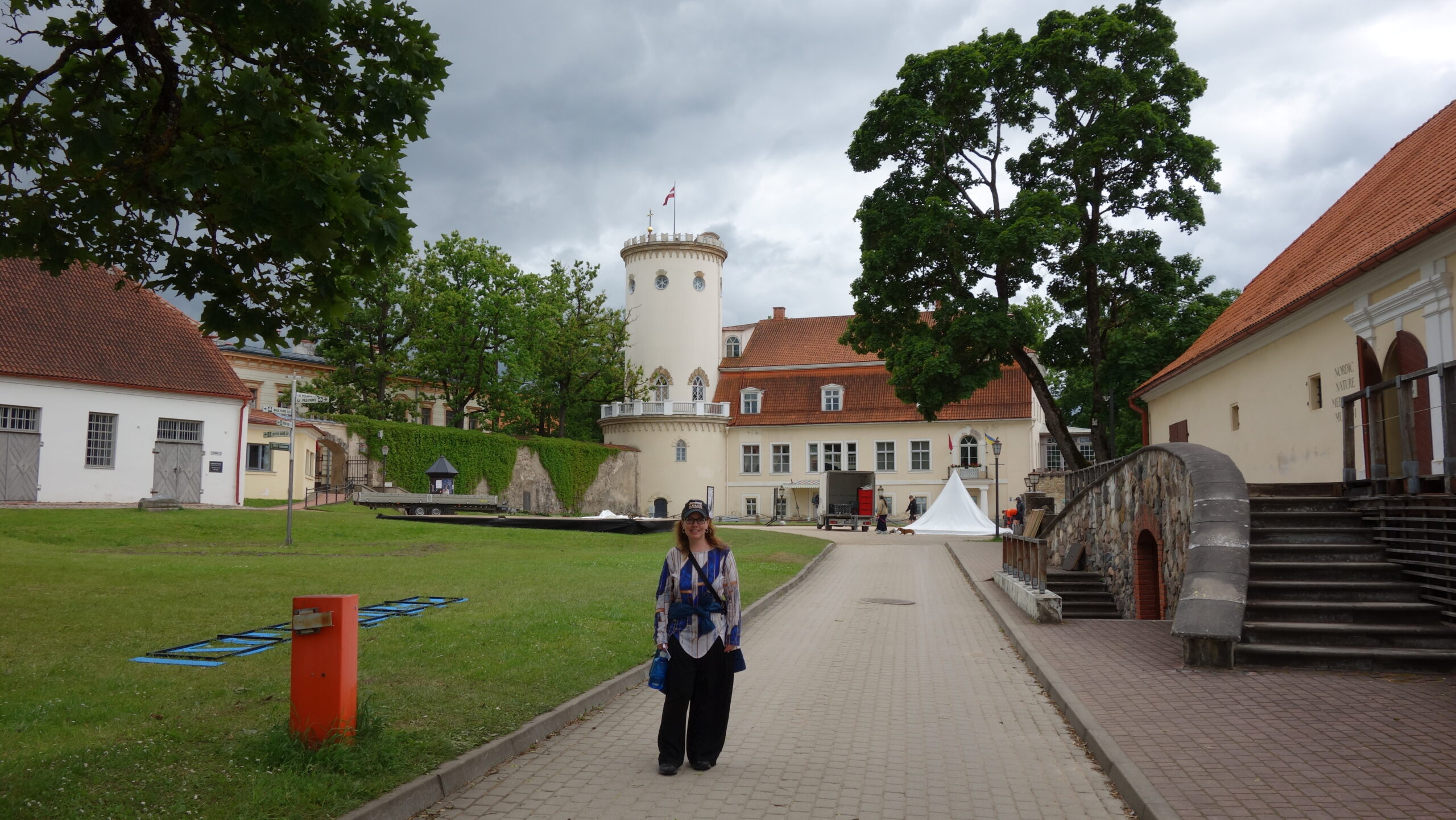
The three hours to Lincoln were uneventful, but the end was a bit tough – I had to drive through parts of the medieval town center, and that was stressful. We dropped Dubbs and Candice off at the university about a mile outside the center (or centre) and drove back to our hotel, where Mer and I got situated.

So it was we finally went out to wander the small town center about 7:30. We stumbled across some spectacular views of the cathedral and some of the original wall. We ate supper at a pub, and even found some Roman ruins of the eastern gate on the way back to the hotel. That was a good warmup for All Things Roman in Lincoln for tomorrow, because Dubbs is still in charge.

Wales 2024 – Day 2, Tuesday, the Lake District, England

“Next time” is a great touristic rallying cry for us in order to save our vacation sanity. When we can’t see everything we wanted to see, or when things don’t go as planned, we often console ourselves by saying, “Next time!” Sometimes “next time” can happen because of rearranging plans, and sometimes “next time” comes much sooner than you would think.

Yesterday evening I had hoped to hike out to Friar’s Crag, which we did. I had also hoped to hike up to a viewpoint in Castlehead Wood, but the sign said it took forty minutes, and it was late, so I regretfully skipped it and told myself I’d do it next time. Enter jet lag. I was wide awake by 5:00 am, and since we are so far north, it was already light out. I saw that it wasn’t raining, and so I dressed quietly and slipped out around 5:30 to see if I could manage the hike up the hill. The walk took me through town and down to the lake, and I met no one (in fact, I met no one until I got back to town on the way back to the B and B). I loved that. I got to the trailhead for Castlehead Wood and took it next to pastures to where it crossed a road. The directional signs for the trail disappeared, and so I made my trail decisions based on what went up. And up it went. There were two tough sections – one long and steep section and one short section that required a little scrambling over rocks.
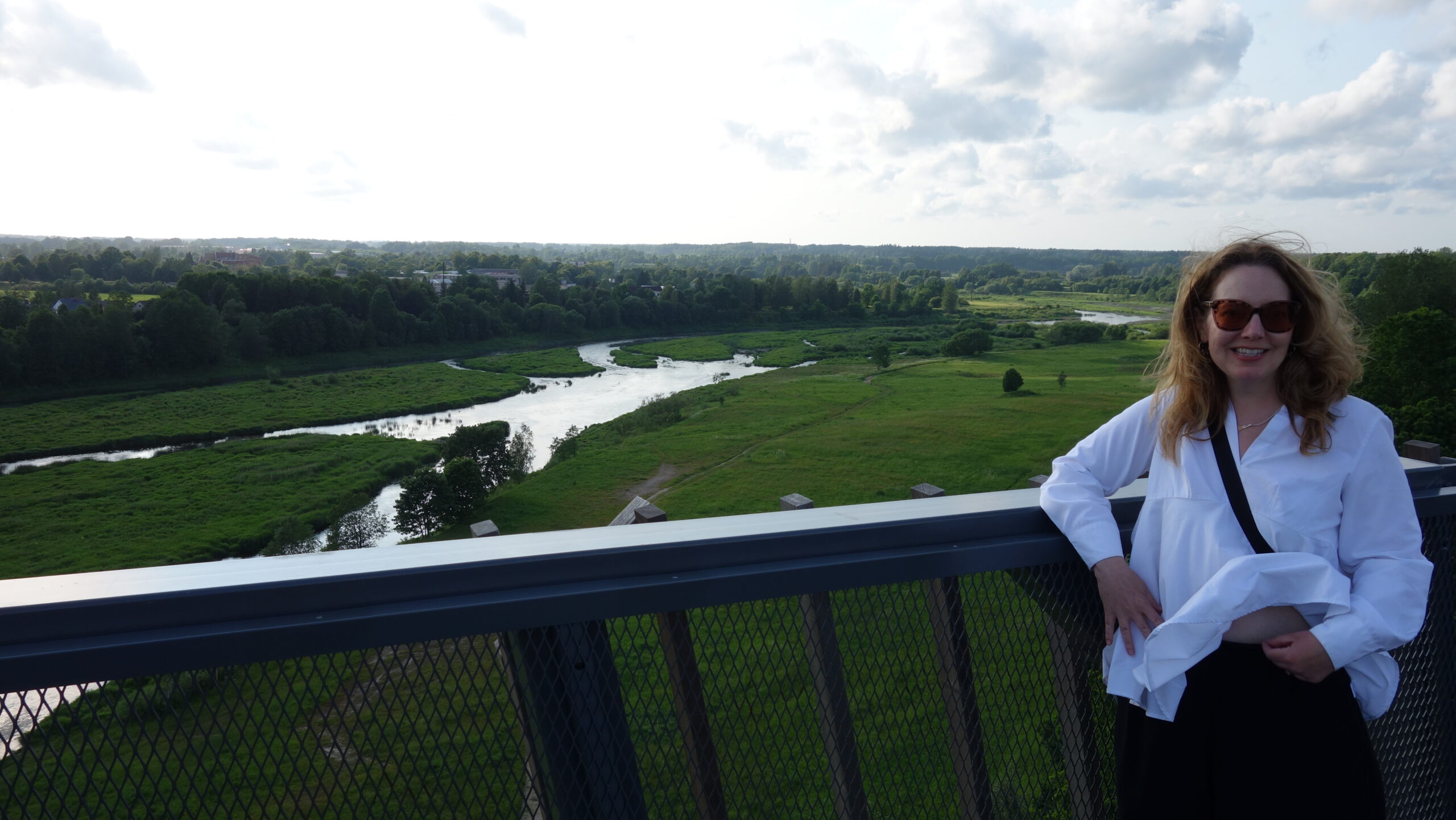
It was worth it. The viewpoint had a magnificent view of the lake and the hills overlooking the lake. There were good views over the hills away from the lake as well. There was a bench there, so I sat for several minutes and watched rain showers move in over the southern part of the lake. I decided that that was a signal for me to get going, and I got back to just past the boat launch before the rain caught me, so my last half mile or so was in a light rain. My total time to hike to the hilltop and back was one hour, which included sitting at the top for a bit. I was back in time to shower and still take a forty-minute nap while Mer went out and hiked in a park nearby. Then we had breakfast and headed out for the day.

The forecast called for showers and rain all morning until between 1:00 and 2:00, so Mer tweaked her plans for the day, putting the indoor stuff first. We all (Mer and Dubbs and Candice and I) piled in the small car and headed south for half an hour, to the town of Ambleside. Dubbs had wanted to see Bridge House, a house built on a bridge, and a picturesque one that was sketched often in the 1800s and is now photographed often. We were having trouble finding it, but we drove past a small bridge while looking for parking. Dubbs said out loud, “That can’t be it,” because of the small size. It was, of course. Still a pretty picture to take, but more amusing after Dubbs’ evaluation.

From Ambleside, we drove north again to Dove Cottage and the Wordsworth Museum. Wordsworth, along with his friend Coleridge, invented a new plain style of poetry that celebrated nature and ordinary people, and so gave birth to Romantic poetry (“Romantic” as in the literary period, not the hitting-on-a-girl kind). Wordsworth inherited some money, and so he and his sister were able to move into Dove Cottage here in the Lake District, where they went on walks (at a time when people didn’t walk in nature for pleasure) and where Wordsworth wrote poetry and his sister kept a journal. She also transcribed Wordsworth’s poetry for him, which is fortunate, since his handwriting was poor.

The museum is small, with four rooms highlighting Wordsworth’s poetry and life at Dove Cottage. The cottage itself is furnished much as it would have been back in the early 1800s, according to things mentioned in the Wordsworths’ letters and in Dorothy’s journal. We were allowed to explore the cottage on our own, including being able to touch anything. The admission also allows for touring the grounds, but when we tried to do so, it started raining quite hard. So we gave up on the grounds and drove back to Keswick to get a light lunch before heading out again.

That worked well, as the rain stopped as we were looking for a place to eat, and by the time we were on the road again, the sun was burning through some of the clouds. We headed off west and south to do a Rick Steves’ guidebook’s recommended driving tour.

That was a (mostly) great choice. The sights of driving through the Lake District mountains were spectacular, but the roads were terrible, with a narrow way and bad sightlines. I drove slowly and cautiously, but the driving was tense in a few places. But the results were worth it.

We drove up and up and up to Newlands Pass, where there was a small parking lot. We got out to hike a few hundred yards in a stiff wind over to a waterfall, which was lovely, We then crossed the road and climbed part way up a mountain. I got to a ridge area first and was hit with a very strong and steady wind. It is probably in the top two strongest winds I have ever encountered, only (maybe) bested by the winds at the top of the Saxholl Crater we climbed in Iceland. It was a giddy feeling to experience that much power in the wind. The views from the ledge area (about half-way up the hill) were grand in all directions.

We drove on (down) to the tiny village of Buttermere, which has a cute and scenically situated church, and a convenient cafe. We visited both. From the cafe, we hiked down to Buttermere Lake, another pretty setting of water and hills.

We then headed back up and up through the Honister Pass, which tops out at a functional slate mine, which was closed by the time we got there. From the pass, we drove back down into the Borrowdale Valley. We stopped to hike to the Bowder Stone, which is an enormous chunk of rock that probably fell from a nearby mountain, but is now freestanding. It’s big enough to have a stairway built on to it so you can climb up to the top. We did.

The last stop of the evening was at the very swanky Lodore Falls Hotel, where Candice and I ordered hot chocolate to ensure we got the required exit code for the parking lot. It was a very nice place to sit and relax, but then we hiked ten minutes or so behind the hotel to the eponymous Lodore Falls. The Falls are tall and narrow and pretty. They are surrounded by forest, so we couldn’t see all the way to the top.

That ended the scenic drive, as I drove past an optional turnoff to a few other sights. With the lakes and mountains and rock walls, it is difficult and dangerous to turn around, and it was already 8:00 pm, so I kept going on the road the short distance back to Keswick.

And so ended a long but touristicly successful day. An early start and some strategic scheduling minimized today’s “next time” category.

Wales 2024 – Days 0 and 1, Sunday and Monday, Keswick, England

Getting launched is an important aspect to any travel itinerary. Every year I give Meredith a guidebook for Christmas which lets her know which European country I picked for us to go to that summer. This last Christmas, I gave her a book on Poland, and we were excited by that prospect. Then the price tag hit – Poland’s airfare stubbornly stayed up around $1,000 each, over several weeks, even five months out. When I stumbled across tickets to Scotland for $470 each, we made the reluctant choice to change our destination. While Meredith has her own rule that we can’t repeat a summer-trip country, and we had been to Scotland in 2017, we decided to use Glasgow as a launching point to go to Wales, which is new to us.

But, Wales is a haul from Glasgow – five hours away or so. That’s a long trek on no sleep, so we decided to throw in the northern Lake District town of Keswick, England, into the tour. It’s only a two-hour drive from the airport, and we had never been to the Lake District before. As a bonus, our friend Dubbs, who is studying for yet another master’s degree over in England, agreed to meet us in Keswick, bringing along a fellow student and friend, Candice. So we are all here in Keswick until Wednesday morning, when we all go to see Dubbs’ university town, Lincoln, for two days. Then we finally head to Wales for ten days.

The Cuyahoga Falls to Toronto airport to Glasgow airport to Keswick was largely uneventful, although there was an hour delay for the plane to take off due to some paperwork not being filed. That got us to our B and B around 11:00 local time after our having been up for about twenty-two hours. Wonderfully, our room was ready, and so we went to bed for three or so hours. After showering, we were ready to head out with Dubbs and Candice about 4:00. Any touring on an arrival day is bonus, and so we got launched on our touring by going to the local lake boat launch.

There is a boat service that pops around Lake Derwentwater, stopping at several points to drop off or pick up people. I expect it is used by hikers often, but it is also an easy way to see the lake and the surrounding hills. I think our boat was the penultimate one of the evening, and with the overcast skies and some luck, we ended up being the only people on the boat for the first half of the run (we picked up a small group of people half-way around). Mer and I are fond of what we have coined “butt-sitting tourism,” especially on a long travel day. The boat tour lasted about fifty minutes, and we did have some misting rain at times, but it was still a very pretty cruise.

After that, we wandered in a park next to the boat launch before heading to supper at a local tavern in the pedestrian area of town. That was a welcome stop, and then we swung by the B and B to reorganize. Meanwhile, the sun mostly came out, so when we went back down to the lake to hike out to Friar’s Crag, it was very picturesque. Friar’s Crag is at the end of the main walk that goes past the boat launch, and it looks south over the lake and hills. While the sun was shining on us, there were clouds on a few of the hills, and the clouds spilled down the slopes into the valley, giving a dreamy look to some of the edges of the lake. We lingered there for a bit, and then walked back to the B and B. Dubbs and Candice went to a store to get some ice cream, but Mer and I went back to the room in the hopes of getting launched on a good night’s sleep.

Colorado 2024 – Days 3 and 4, Monday and Tuesday, Colorado Springs and Calhan

Mer ended up talking with a woman at the wedding on Sunday about the area, and they got to talking about Mer’s plans to go to the Garden of the Gods park. The woman was very enthusiastic, but warned Mer that “it’s not very big – it won’t take you too long to see it.” On Monday we spent six hours there.

The Garden of the Gods is a park full of dramatic and unusual red rock formations. According to the park, the name came from two surveyors who came across the formations in 1859, and one proclaimed, “This would be a great place for a beer garden.” (Hold your judgement.) His companion replied something to the effect of, “It would make a great garden of the gods!” When the park was donated to the city by the landowners around 1900, it was on the condition that the park be free and be called “The Garden of the Gods.” And so it is.

As you could guess, on a beautiful holiday Monday, the park was mobbed. We parked at the visitors’ center, and the woman at the info desk recommended walking into the park from the center, a walk of about fifteen minutes. Since the road to the small parking lots of the park was backed up at least that much, it was an easy decision. We walked in.

Which is the best way to go anyway. It allows the park slowly to reveal itself. The main features of the park are three huge rock monoliths, and as you walk in and around them, the features change. That is true for walking close up and getting far away. They are fascinating regardless of where you see them.

We wandered in and around the large stones, covering all the paths we saw on our map. By the time we had finished with the main northern area, I was out of water and getting hungry, so we walked part-way back and happened to catch the shuttle bus back to the visitors’ center, where we ate and filled our water bottles.

We wanted to see the southern end of the park, which has more, if smaller, stone features, but I didn’t want to walk the almost two miles there to start the hiking. I decided to risk moving the car. The southern end has several small parking lots and is far away from the visitors’ center and large crowd-drawing formations, so I banked on being able to find a parking spot. I was right, but there were only a couple of open spots. Nonetheless, it worked, and we started hiking the southern end of things. We saw a huge balanced rock and the companion rock that looks like a steamboat. We swung by an enormous trading post to use the bathroom and then got out of there. We hiked up to two towers of rock joined together with a window in the rock that looks over to Pikes Peak. And we got all the way up to a stone tower that looks like a Scotsman standing there, complete with a tam (the beret thingy).

All in all, our “not much to see” tour of the Garden of the Gods took ten miles of hiking and six hours of time (including lunch). It’s a magnificent place to wander.

From there, we made a quick refueling stop at the hotel room and then went back north to the Air Force Academy. Mer wanted to see more of the campus, and we both wanted to see their free student production of How to Succeed in Business without Really Trying. We saw a B-52 memorial with a retired B-52, the Academy cemetery (which will take any member from any of the military academies), overlooks for the campus and sports fields, and the outsides of a couple of buildings. By then it was time for the musical.

The students did a great job. There were about thirty actors on stage for the production. One thing that surprised me was they used a recorded score for the music. Military academies have a long history of great musicians, so that was a bit strange. Maybe the end of the year is too busy for the bands and musicians on campus.

The three leads (the protagonist, the lead woman, and the antagonist) were all superb. They were a joy to watch. I wasn’t familiar with the story or music from the play, so that was fun for me to discover. It is a play poking fun at big businesses, and also how women were treated in 1960s business culture, and it worked in that way. We enjoyed ourselves, even if the play was three hours long, including a ten-minute intermission. And if you’re wondering if a military academy play starts on time (most theater productions start five to ten minutes late), let me advise you to be prompt.


Today (Tuesday) was “my” day, and so I drove us about an hour east of Colorado Springs to the small town of Calhan. Or, to be more specific, down a dirt road a fair bit outside of the small town of Calhan, to a parking lot in the middle of a high plains scrub-grass prairie. Mer said she trusted me, but wasn’t sure why we were there. We hiked up a small rise and got a glimpse of some white bare rock formations. Down the hill and along the path further, we started to see some colors in the rock. I had brought her to see the Paint Mines Interpretive Park.

The Paint Mines is an area where rock covered up variously colored clays, producing these colorful and fantastically shaped columns and mounds. They are very fragile since they are largely made of clay and soft stones, but there are paths back in among the shapes and miniature canyons. We walked along most of the trails that wound through the “mines” and spent a good two hours there.

The “mines” are more like open pits. Native Americans used the clays for pigments, and as recently as the early 1900s, the area was used to mine colors for bricks. What remains doesn’t look like a mine or a pit, and the colors and whites are vivid. We had a blast.

Back to the hotel room for more water. I have found the mile-high air to be very dry and drink about twice as much as I normally do. From the hotel, we went back to the cute “crunchy” neighborhood we had been in on Sunday morning, to go to the Michael Garman Museum and Gallery.

Michael Garman was a sculptor of 1/6-scale miniatures of people and urban settings. He passed away in 2021. I expected a few large doll-house sorts of things, but I was happily very wrong. Garman’s work was exceptionally detailed, with peeling wallpapers in rooms and trash in trash cans and individual bottles in bars. He loved using mirrors to create depth and even used them to change scenes in rooms, so that if you looked in a window of a building, you would see one room, and then a light would come on nearby and a different room would replace it. He used angled glass to project holograms of people into rooms and alleys, and his attention to detail even went as far as having Casablanca showing in the town’s movie theater (visible if you looked in through the door). We were overwhelmed by the museum and went through it three times (it’s not terribly big). We also had fun with provided scavenger hunts that asked us to look for very specific details in the town, like looking for one sports pennant or for the location of one birdcage.

By the time we got done with the museum, it was too late for me to stick to my plan to go back to the WW II aircraft museum, so I changed my plan and went to the nearby Red Rock Canyon Open Space (a large park inside the city limits). This park has rock formations like those in the Garden of the Gods, but on a smaller scale and with very few crowds on a work day. Sadly, we only got to hike there for about twenty minutes before a storm threatened, so we went back to the cute neighborhood for supper, hoping the park area would clear up. It didn’t, and so we called it a night after walking around a few blocks looking at the shops in the area. I would have loved to hike in the park more, but it seemed wise to play things safe to keep us from encountering lightning and possibly getting soaked. The area around our hotel (the north side of town) was fine – the storms seemed to be coming through in a narrow band.

And so ends a good, if short, trip to Colorado. Tomorrow we fly home, and since it took us three and a half hours to get here on Saturday, we’re going to leave about four hours before we have to get the to airport since we don’t know what morning rush hour looks like. It will be good to get home and see family, friends, and felines.

Colorado 2024 – Days 1 and 2, Saturday and Sunday, Colorado Springs

Meredith had a student, Hope, who was an excellent writer in Mer’s classes, and Hope went on to become an author and to work in the publishing industry. Mer and Hope have stayed in touch over the ten years or so since Hope graduated, and so it was that several months ago we were delighted to receive an invitation to Hope’s wedding. Even though Hope lives in Ohio, she decided to have a destination wedding in Colorado Springs. The wedding would have been a delightful priority for us no matter what, but to have it held in a pretty place in a state neither of us had been to made it an event indeed.

We flew in on Saturday, and after three and a half hours of getting through the airport, getting to the car rental place, getting our car, getting our second car after the rearview mirror fell off in my hands, and then navigating through a surprisingly heavily trafficked highway, we got to Colorado Springs, which is supposed to be an eighty-minute drive away. We drove straight to our 1:30 docent-led tour of the National Museum of World War II Aviation, getting there at 1:31. I ended up missing the intro movie as I used the bathroom, but otherwise, we made the entire three-hour tour.

It was excellent. Our docent was a retired Coast Guard pilot who was qualified to fly anything the service had (single engine, multi engine, prop, jet, helicopter), and he was highly interactive and personable. He asked our group lots of questions to have us give many wrong answers, and he then explained the what and the why. The planes were magnificent, and there were probably two dozen planes in the hangar, all of which can still fly. He took us around and highlighted about eight different aircraft, and then took us over to the hangar where people restore aircraft and talked about that process. Almost everyone at the museum is a volunteer (they have two paid positions), and it seemed as if that included the restorers (it was a little murky in that the restorer hangar was run by a separate non-profit that was closely associated with the museum). We finished the tour in another hangar, in which the museum still has a functioning mechanical flight simulator from the 1930s, which was a mechanical marvel to see in action. The man demonstrating it put the “plane” into a spinning stall and recovered from it, all while being enclosed and having to rely on instruments and feel.

There was a more modern simulator we could use, but by then I was feeling pretty poorly from lack of sleep, water, and food, so sadly, I passed that up and went to the car to eat a granola bar and drink the rest of my water, and then we headed out for the hotel so I could eat and rest before evening plans. A few quick things learned from the museum:

  • One of the major advances in planes was the variable-pitch propeller. That acted as a gear box for the plane, which allowed for both power and speed options. It took until the 1930s for engineers to figure out how to build that system.
  • Aluminum was precious and expensive during the war years, so many planes were covered in sail cloth, which was stretched and sealed.
  • Aquatic airplanes needed to  have small steps in the hull to cause bubbles, which broke up water tension, which would have held the plane to the water.
  • Navy aircraft had foldable wings that were held in place by just one or two bolts depending on model.

Mer had evening plans, so after my hour nap, we drove a short distance up the road to Cosmo’s Magic Theater, which, as you may have surmised, is a theater for magic. Cosmo had a long career of touring the US, but he wanted to stop being on the road, so he built this small theater that seats about fifty people. He and other guest magicians perform magic tricks in the intimate space, which allows for lots of interaction, at which Cosmo was very good. He bantered with us, telling stories of how he learned magic (from the age of five) and having audience members help him with tricks. Cosmo even came out to the lobby before the show, during intermission, and after the show to chat with his audience. Mer and I got to talk with him and his wife for about five minutes after the show. It was a lovely evening, and the magic was top-notch. I only had vague guesses on how things actually worked on maybe ten percent of the illusions. We followed the show up with ice cream in a cute downtown part of Colorado Springs.

On Sunday, the wedding wasn’t until 3:00, so we had the morning to explore. We went out to a small mom-and-pop breakfast restaurant in a very crunchy-seeming neighborhood (“Tie dye grand opening!”) that was also having a street festival. The food was very good, and I had a slight view of the mountains from the front deck area.

Mer then had us head north a few miles to the Air Force Academy. It’s a dramatically set campus, sitting right in front of mountains. The working area of the campus is small, but the area for the grounds is something like ten miles long and four miles wide. We got out at the visitors’ center and explored it efficiently since we didn’t have a ton of time. We did take the time to watch the “a year in the life of a new cadet” film, and we both decided it was something for which we wouldn’t have been cut out. I don’t particularly like being yelled at. We browsed the rest of the center, where I learned that all cadets are required to be involved in sports of some kind, either intermural or intramural.
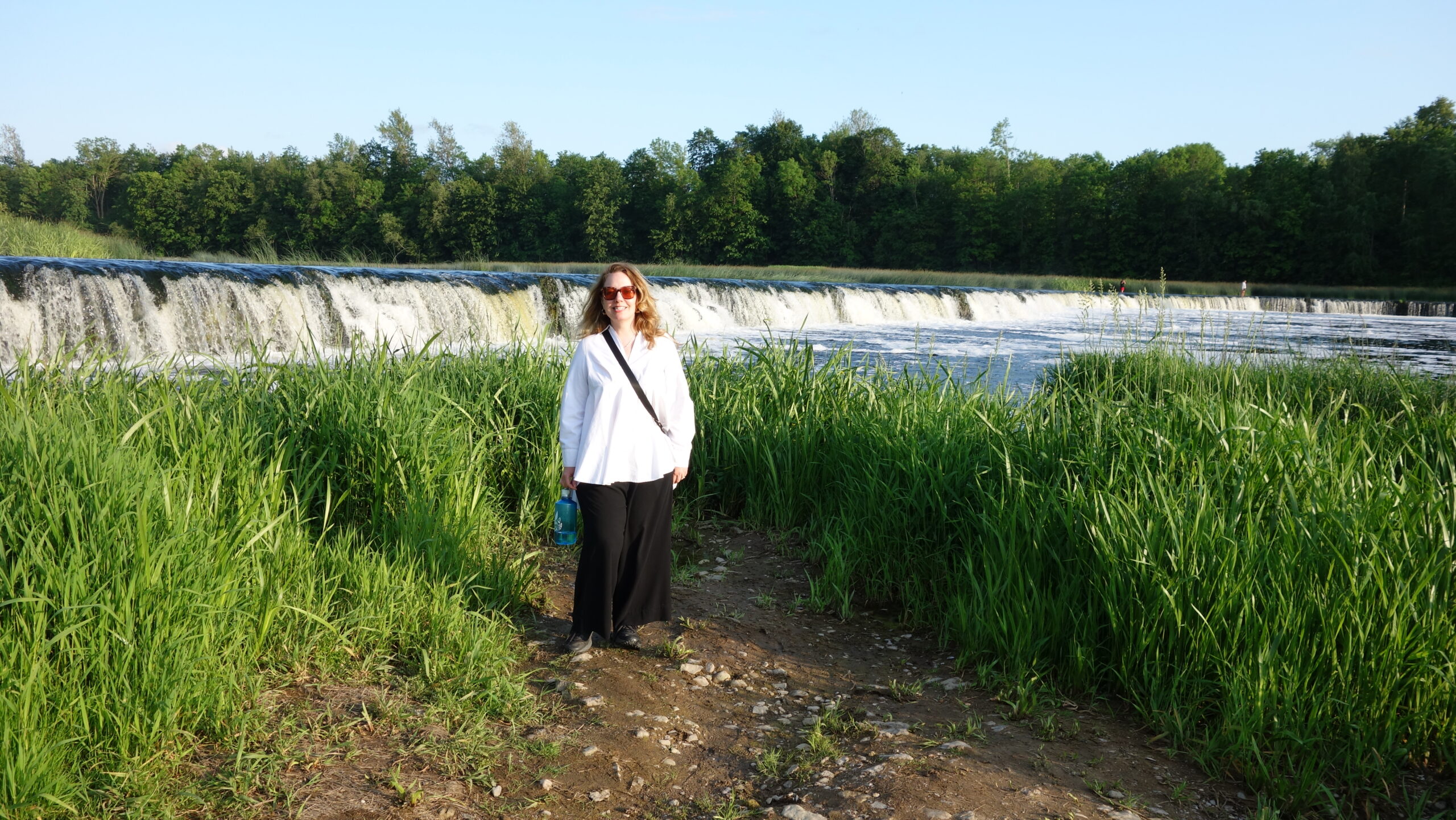
We spent the rest of our time wandering the campus. Sadly, the rather iconic chapel is being renovated until 2027 and is fully hidden under a huge box. But we walked up an adjacent hill that had a path put in that led to small areas to sit for prayer and contemplation and gave great views of the surrounding area. We explored a courtyard full of large monuments to WW II aircraft and the people who served on them, and we poked around one open building where we discovered not only that the cadets had a theater society, but that they were putting on a free show of How to Succeed in Business without Really Trying. It was hard to think of these hard-nosed military people singing and dancing around, but there I am stereotyping.

We headed home to the hotel to get ready for the wedding, which was only a few minutes away at a lovely facility that looked out over the mountains. We pulled in just as a car with a couple of former CVCA students pulled in, which was fun. We spent most of the evening chatting with them, especially since they were seated at our table. The ceremony was simple but formal, being an Anglican service of marriage. The reception afterwards was great, with good dinner music (mostly swing and related music), and Mer and I danced a fair amount. Anytime we needed a break, we went out on the veranda to look at the mountains.  The wedding wrapped up about 8:30, and we went back to the hotel, where I went to bed as quickly as I could. Mer still had Monday plans, so I needed my rest.