Author Archives: mriordan

Latvia 2025 – Day 3, Monday, Ventspils

Not all who wander are lost. Some are just trying to see all of Ventspils on foot. “Ah!” you say. “You have a car.” True. And it sat in its spot all day today. Why drive when you can walk to destinations a mere mile-and-a-half away?

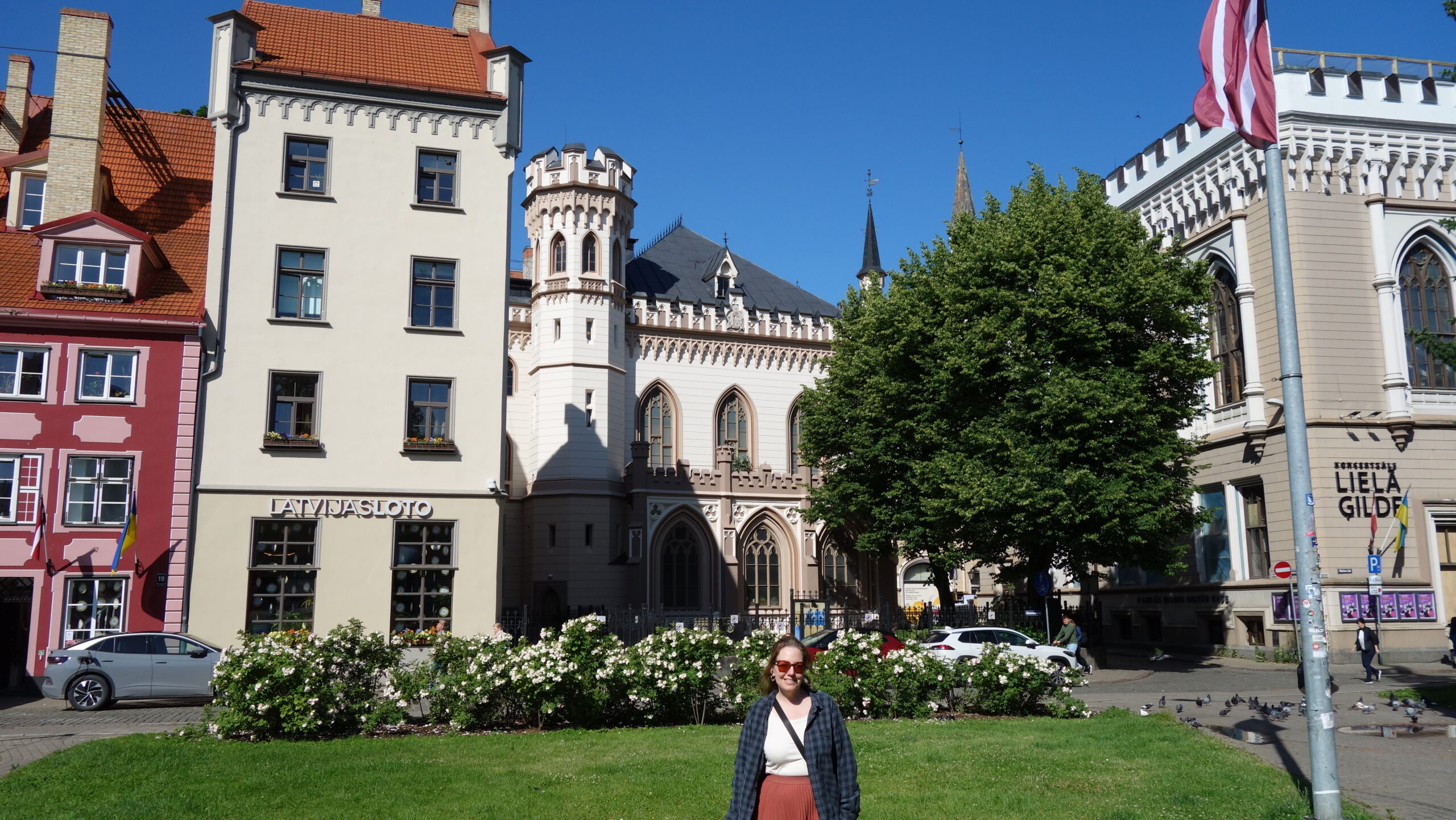
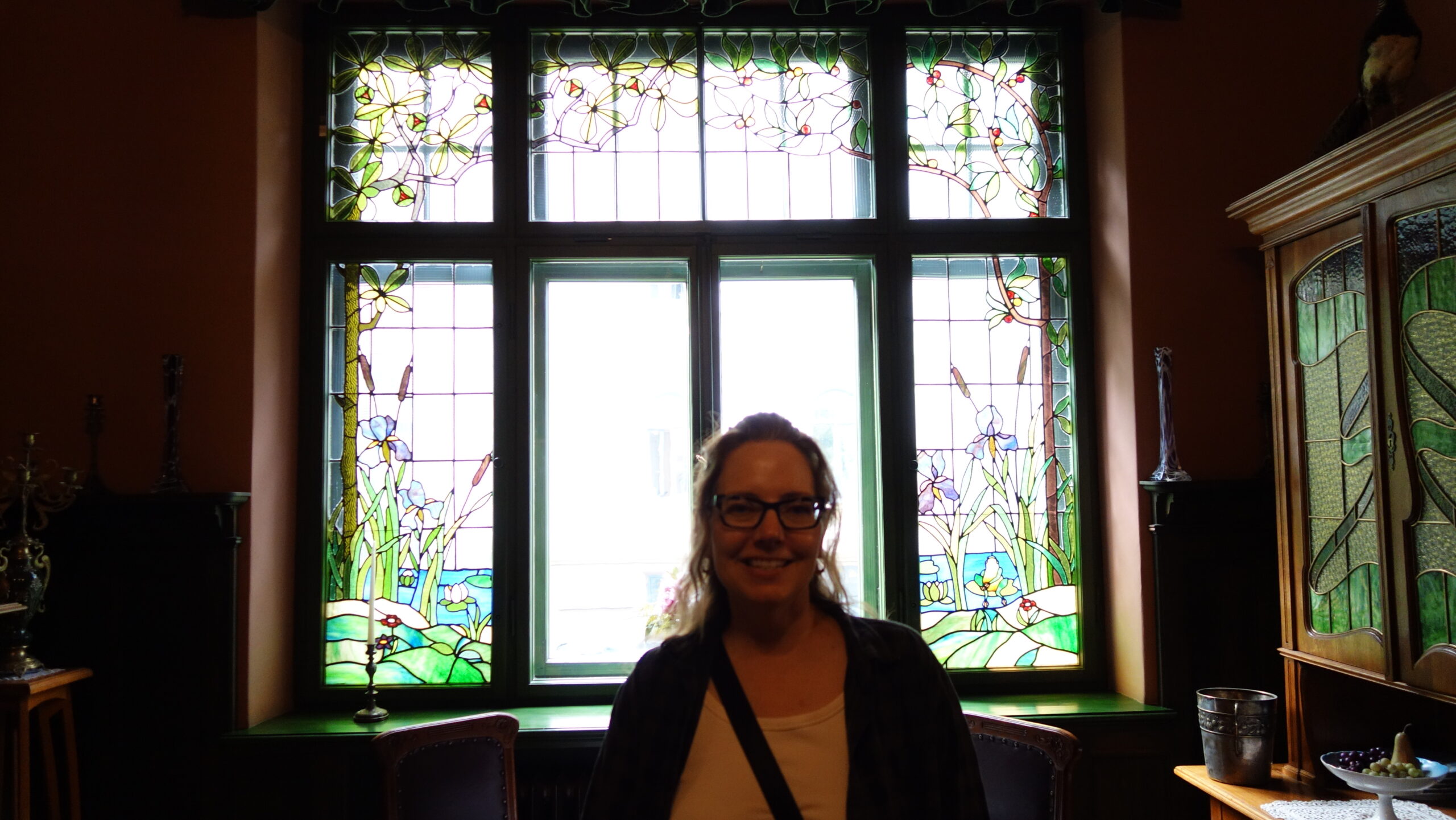
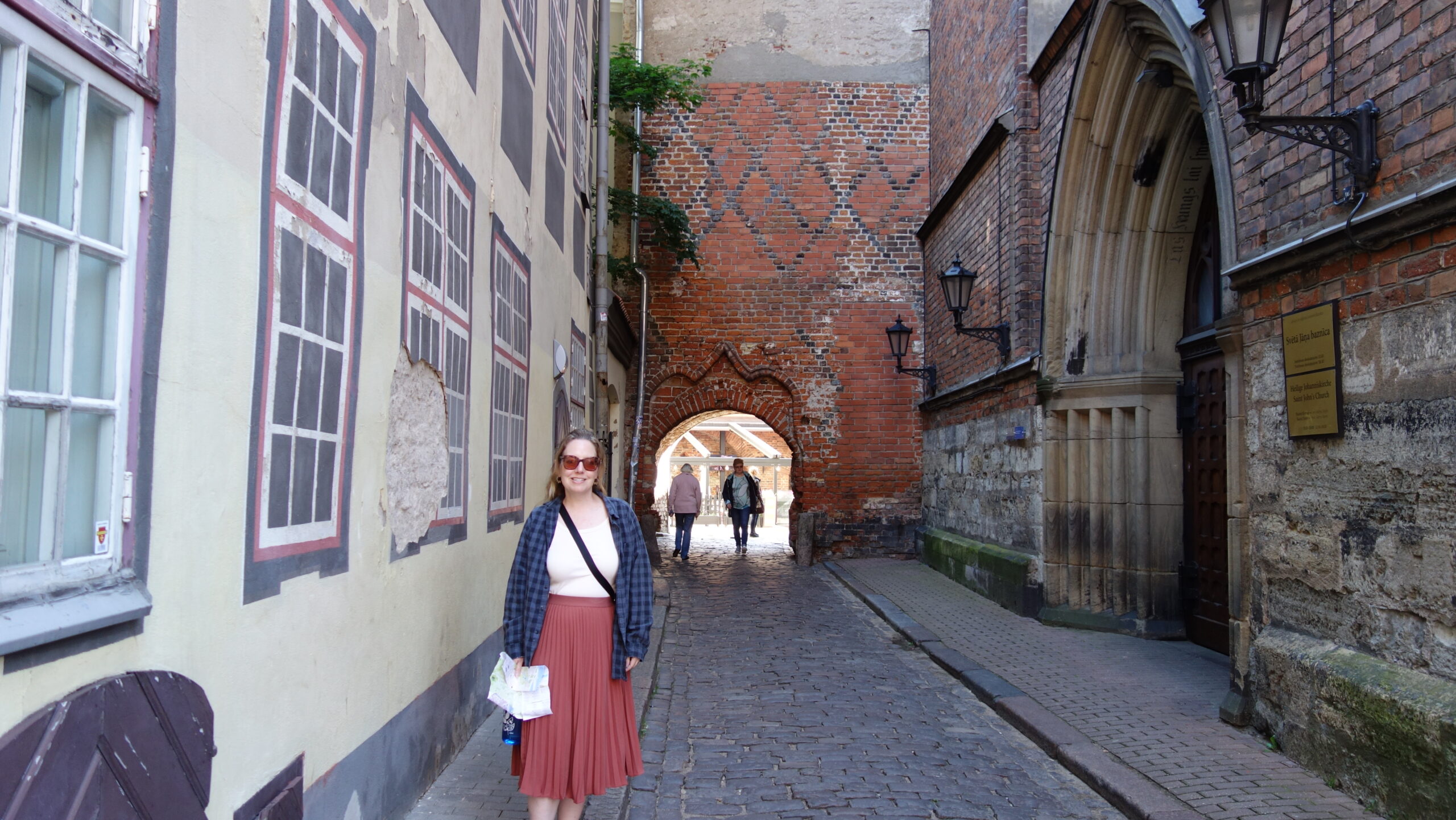
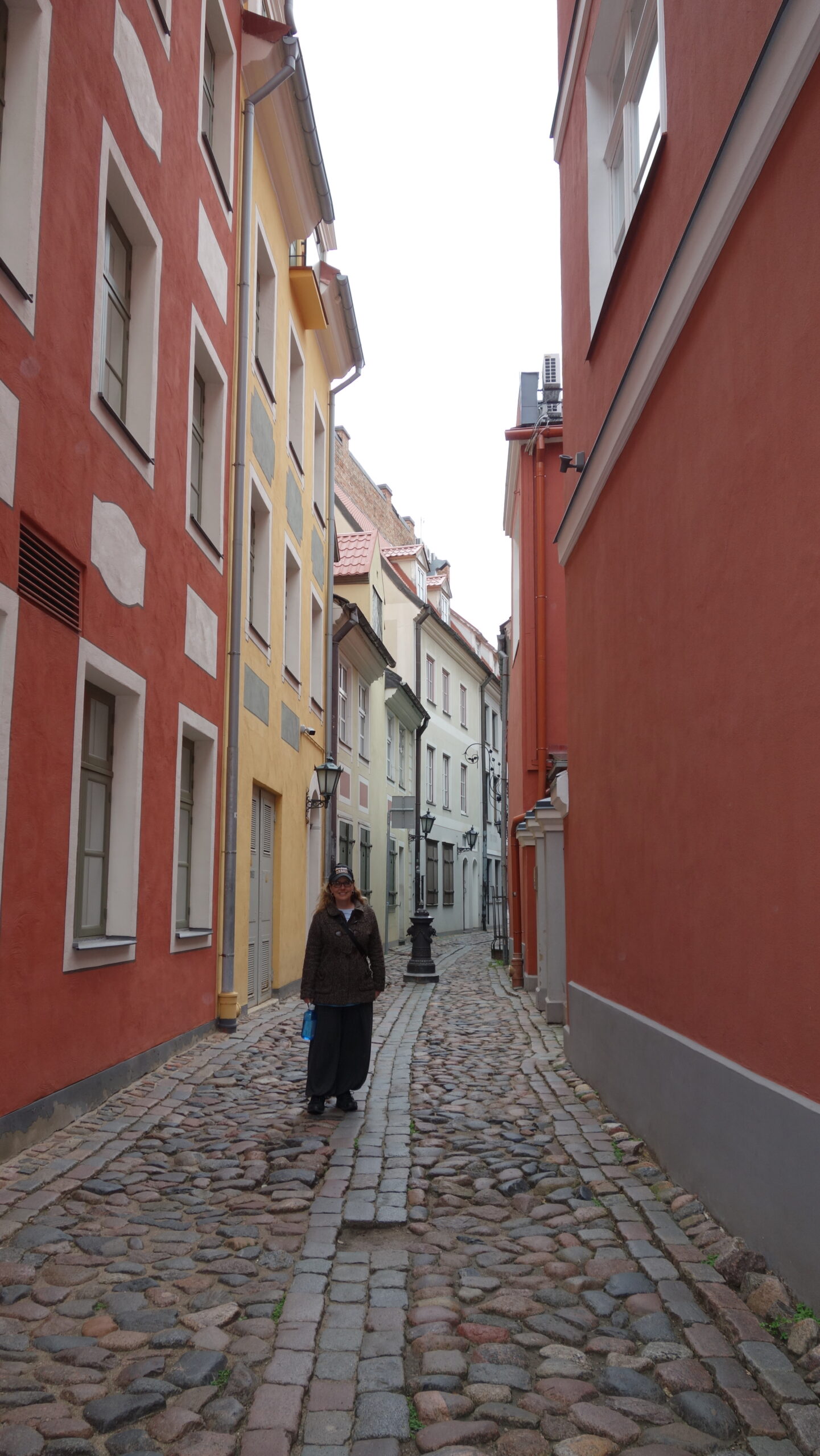
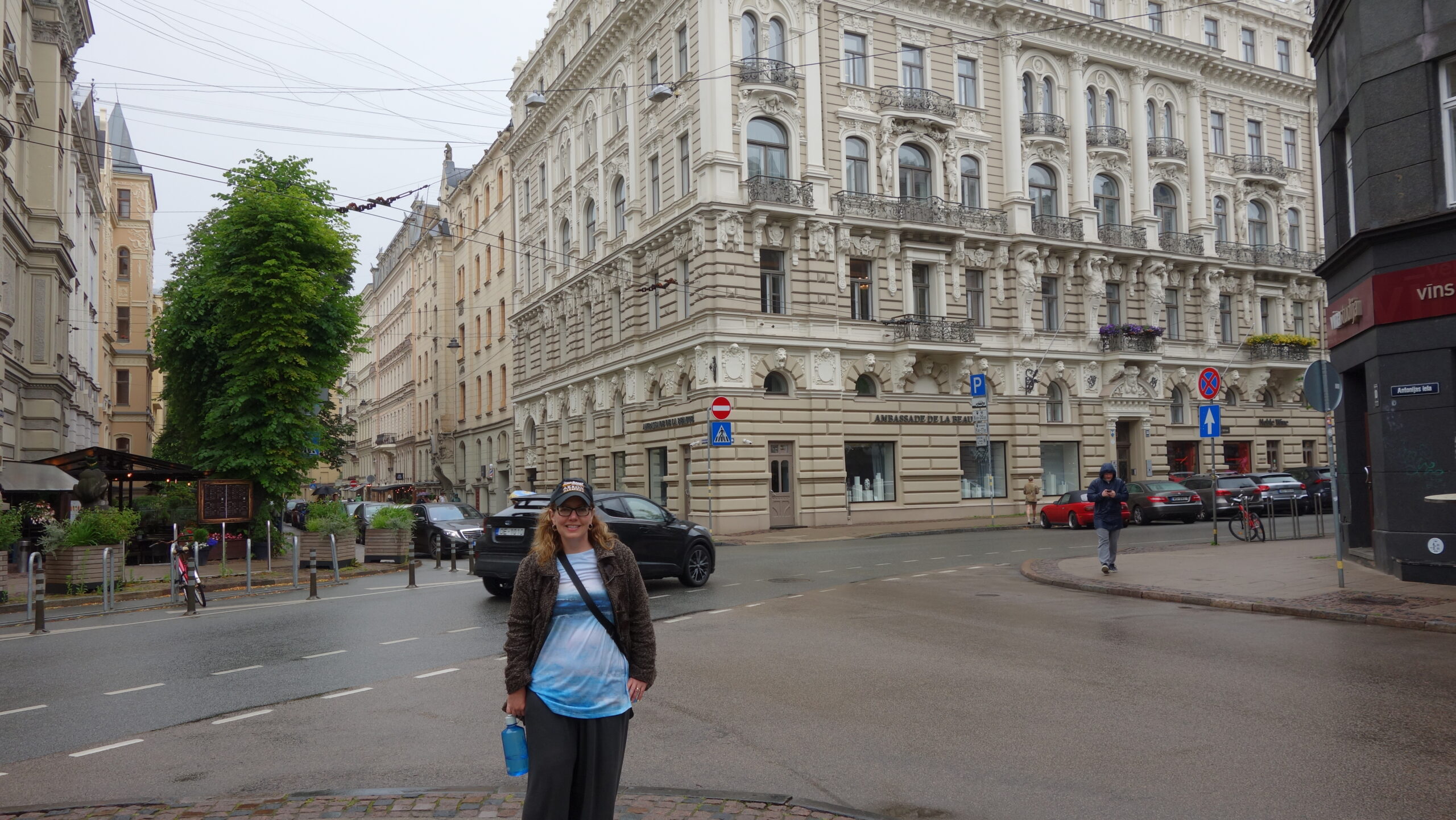
We actually do prefer walking in large towns and cities because you see so much more. We got a long look at beautiful homes with bright colors and carved woodwork. We got to see window displays and shop signs. We got to see impressive churches. And if we had driven, we would have zoomed right past the Soviet-era apartment blocks that were stunning in their total lack of architectural beauty. There were a dozen or more of them, and based on the blocks we saw housing the two thousand people at the spy center, these must hold five thousand or more people. I can understand why the apartments still exist. What I can’t understand is why they were built in a soulless design. What architect goes to school to draw up that?

Anyway, we started the day off with a building on the completely other end of the beauty spectrum – the Russian Orthodox church in town. The outside has been recently renovated, and the domes shine from blocks away. The steeple is brightly tiled, and the paint on the outside is a cheerful yellow and white. The inside of the church still has some renovation to be done up near the roof, but the main eye-level area looked fresh, and there were icons everywhere. Several were interesting to us for their artistry or story; one showed saints being ordered around by men with guns. Our best guess was it was some story from World War I, but we’re not sure. Most of the icons were very colorful, and many had multiple saints in the icon. We spent a fair time looking around the church.

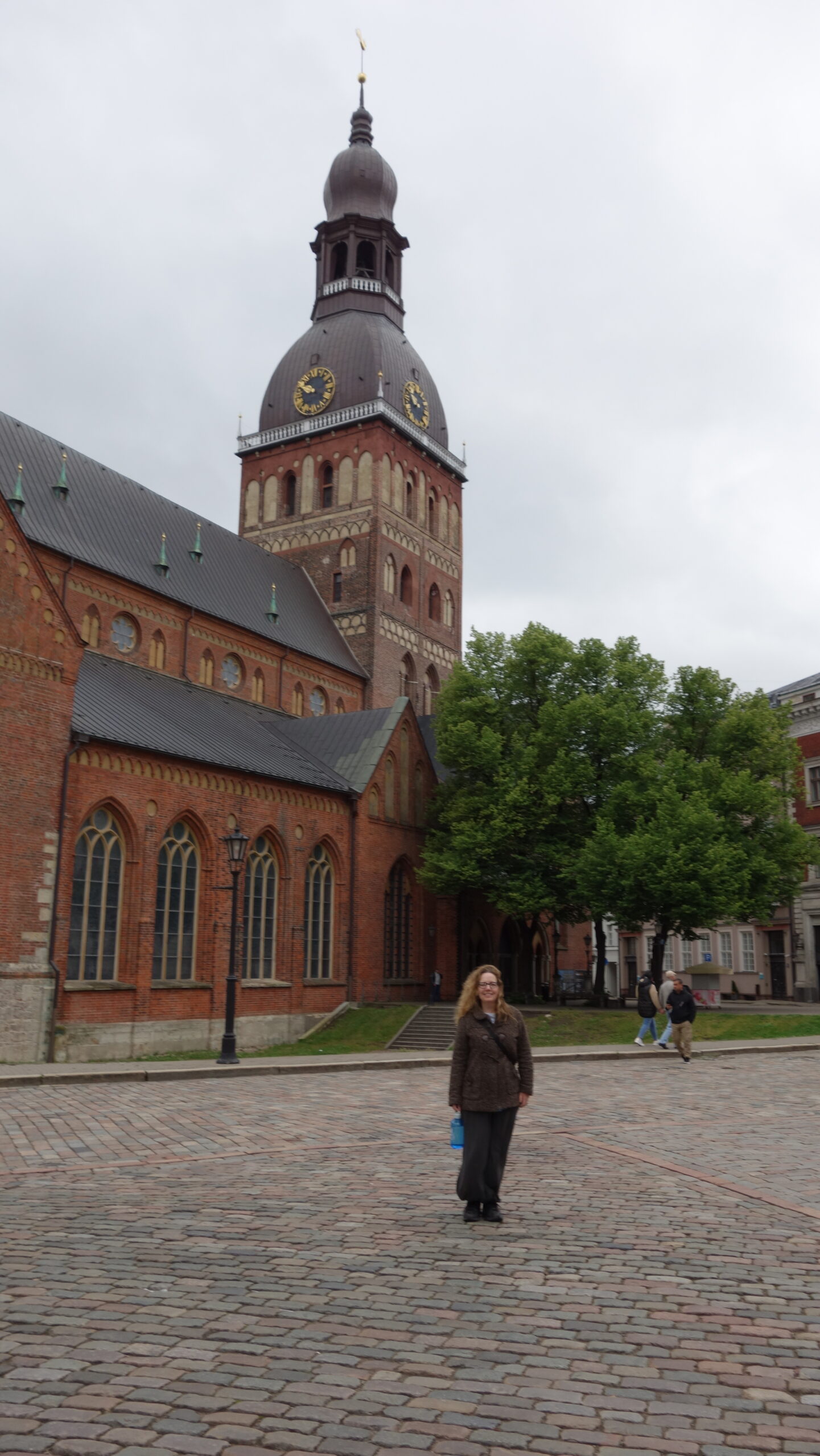
Continuing the church theme, we went on to the Lutheran church on the main (but small) square. There were city workers putting up a pole that is to be lit on fire on the solstice in a few days. Sadly, the Lutheran church was closed, but they did have an exhibit running around the fence of the church. It told the story of about two dozen women who had come in for counseling after having abortions. The issues around abortion are complex, and I’m not going to pretend to solve them here, but the stories did confirm for me that even with legal choice, women still sometimes end up with no choice. Two thirds (or more) of the stories were of women basically forced to have abortions by boyfriends/husbands or their families or even in a couple of cases by their doctor saying it was for the best. Obviously, women coming into a church for counseling are not a fully representative segment of the population, but their stories are still legitimate. It was a thought-provoking display.

We headed off south and west to a park Mer wanted to see. We just strolled along, enjoying seeing things and the nice day. We were walking along a well-shaded path, and so the sun wasn’t an issue. The park itself was great, in the way we had seen in Lithuania. There was a kids’ area, and an exercise area. What was different was that there were quirky sculptures all over – a hat, some buttons, some rock sheep and bulls, a lobster, a shoe with a tongue you could climb. It also had a very impressive bike/skate/scooter park. It wasn’t just a concrete wall to do tricks off of. It was paved with multiple tracks going over bumps and hills and corners and valleys. It seemed very popular, and I can see why. We strolled the park and sat and people watched.

From the park, we walked a long ways southwest to an “adventure park” that had kids’ rides, a disc golf course, an innertube slide, and, most importantly for us, an alpine slide. We had found and ridden one two years ago in Lithuania, and so now we’ve covered slides in two thirds of the Baltic states (you’re on notice, Estonia!). The slide was short (only eight hundred meters long, including the ascent hill), but it was kicky. Slide designers can do some wonderful things with tight turns when they lack overall hill size. We both rode it twice, and had a great time.

We grabbed a light lunch on the way back to the apartment, where I got to relax for about thirty minutes while Meredith planned some stuff. What I didn’t see was Mer was sneaking my swimsuit into her backpack. Since the forecast was for rain in the evening, I assumed I was carrying umbrellas, which I was. But I was also hauling our towels and swimsuits to go to the indoor Water Adventure Park. It was a surprise to me since Mer had been so clever, but it was a nice one. In addition to two waterslides, a rapids slide (super fast), a wave pool, and a warm pool to relax in, there was a spa wing with hot tubs, saunas, an aromatherapy room (where I almost imagined I could smell something in the steam), a cold pool (that Mer tried, the nut), and a Himalayan salt room to relax in.

We spent a couple of hours there, trying everything except the hot saunas. My biggest issues were with the slides. I don’t know if my shorts have weird material, but about halfway down my first run, I pretty much came to a stop. I shoved/paddled myself along, but at the bottom I was still struck from behind by a fun-seeking supersonic tourism torpedo shouting, “I can’t stop!” Happily, she hit me with the heels of her feet to the small of my back, thereby saving any cushy and padded spot on her from being harmed.

The second slide was much the same, with regard to my slowness, and my third trip down was my last one on the waterslides. I figured someone was going to get hurt, and that someone could be me. So I tried the rapids slide. It was a much shorter slide with a bunch of sharp curves in the slide, and all the while, you are swept along by a ton of rapidly moving water. I was thinking, “THIS is more like it!” when I hit the first corner feet-first, legs extended. As my feet hit the wall and were suddenly forced right, the rest of my body weight, aided by a small tsunami of water, crushed into them. It hurt. And it happened again on the next corner. When I got to the bottom, I was left sprawling around in a shallow pool while being shoved by a lot of moving water with the sure conviction that someone else might be coming soon. I did try the slide one more time later on with the idea that I would pull my legs closer to my body. That saved my ankles. At the cost of my butt. And more floundering in the shallow pool after ramming my foot into the bottom.

I went to the spa. That was nice.

After regrouping back at the room, we walked in another direction for a mile or so to go have a nice supper. While we were walking, we got sprinkled on, and we walked home in a steady rain. But we had hats and umbrellas, and we were okay.

So we saw a lot of Ventspils today. It’s a lovely little city on the whole, and easy to get around with wide pedestrian and bike paths, and tons of parking everywhere for those driving. We’re here until Wednesday morning, so we’ll see what tomorrow brings.

Latvia 2025 – Day 2, Sunday, Livonian Peninsula

The northwest of Latvia juts out into the Baltic Sea, and the tip of that jut is home to the Livs, the smallest ethnic group of Europe. Ventspils is the largest town of the region, and we used that as a launch pad (ha! See more below…) to explore the tip of the region in a counter-clockwise direction.

After breakfast, we headed north to… nowhere.  There was no address we could find, which was consistent with a place that started life as a Soviet spying center. I used the internet to look up the longitude and latitude of VIRAC, home of Latvia’s space telescope center. The GPS found it just fine, turning us off the main road about thirty minutes north of Ventspils, and onto a concrete road. Within a few minutes, we were driving by some creepy abandoned Soviet apartment buildings that had housed the staff and families of the spy facility. We then got to the welcome center, where we paid for our English tour with Markus, a surprisingly mature and fluent sixteen-year-old who works for VIRAC to give tours. We were joined by a young Swiss man named Philip. He was enthusiastic and very funny.

We started our tour heading over to the old control center, which had also been the base of an eight-meter radio dish. The facility also had (and still has) a sixteen-meter dish and a thirty-two-meter dish on top of remote buildings. The thirty-two-meter dish is one of the ten biggest in the world.

The large building next to the control center tower had been used for all the spies listening and going over things, but it is now a huge pile of rubble. It had become unsafe, so the Latvians demolished it in place. Markus explained that it’s easier to know when a building is going to collapse if you just do it yourself.

And that was cool to see, but then came nerd heaven. He let us into the control tower, and it still had the original control equipment in the room, including a massive wire harness that the Russians had wrecked when they left in 1994. But the Latvians were able to get it working again after two years, and it was used for about a decade until newer electronics were installed. That was fun. And then Markus told us we could use the really steep and sketchy-looking ladder/stairs to climb into the basement, where they had shoved all the electronics they couldn’t find anywhere else to put. They had large motors and large junction boxes and switches and wires everywhere. It was great. We climbed back up, and I expected to go outside again when we were told to climb equally suspicious metal ladders to go up to an area decked out with Soviet-era stuff. That included a Russian map that had all western military bases marked on it, and a Latvian/Soviet flag, and a bust of Lenin. In a heartwarming moment that should be a warning to all leaders who think they’re important – the Swiss man asked who the bust was of, and Markus said he didn’t know, but thought it might be Stalin. Young people have forgotten what both Stalin and Lenin looked like, which is great.

We got to head down the hallway that used to lead to the blown-up working center, and it was full of 1970s and 1980s electronic equipment (including oscilloscopes labeled in Cyrillic). There were (illegal) photos that the soldiers had taken of each other, and some wonderfully fun drawings modern-day school children had drawn of the telescope center, including one in which the telescope was staffed by aliens.

Back in the main tower, we got to go up another ladder-stair, and we headed outside to climb more sketchy ladders to get all the way up to where the old dish had been mounted. It was quite the vantage point. We could see the thirty-two-meter dish and trees as far as we could see. It’s not surprising a spying center ended up in the middle of nowhere.

We went back down and outside and walked past a sculpture of Yuri Gagarin (the first man in space) over to the the old original sixteen-meter dish, which was on the ground. Markus told us we could climb up on it. We all clambered up in to the middle of the dish, even with its missing a few small panels. He then said we could climb even higher up to the reflecting mount above the dish, which was not an easy climb. I managed it, and the acoustics up there were incredible. Anything said down into the dish came echoing back to you immediately. I’m pretty sure that liability-conscious American facilities wouldn’t have let us climb all over everything. It was great.

Back on the ground, Markus told us that they had renovated the thirty-two-meter dish about ten years ago, but before the renovation, tours could take people out onto that dish too. What a facility! While we couldn’t go up on the big dish, we could go see it, so Markus led us to an old maintenance tunnel and told us he would meet us on the far end. So I led the way with my cell phone flashlight, followed by Meredith, and then Philip with his cell phone. We walked and walked and walked in the cool, slightly damp tunnel. Someone at some point had made little monster faces on electrical boxes every hundred feet or so, and Philip amused us by telling us the sounds the monsters would make. We also tried turning off our flashlights for a few seconds, and the dark was pretty complete. It turns out the tunnel is 500 meters long (.31 miles). We were walking for quite awhile.

But the tunnel took us to Markus and to the foot of the big dish. We were let in onto the grounds, but were told we had to hang back since people were working. It was a delight to see the dish from the front and from one side, from which we could see the structure that holds the dish up and points it wherever the scientists need it to point.

Understandably, that ended the tour. We went back to the welcome center, where we thanked Markus and said goodbye to Philip. We asked if we could go see the creepy abandoned apartment buildings, and to my surprise, we were told to “go ahead.” So, on the way out, we stopped there.

These were buildings that were lived in until 1994, just thirty(ish) years ago, but they are all in ruins. Mer has a strange fascination with abandoned places, so she was delighted. We walked down the old main street, and decided to go into the last building. The last building looked like a shell from the outside, but it was a real wreck on the inside – the main stairway was falling in, there were holes in the floor and in the ceiling up to the second level, and one wing of the building seemed to have had the internal structures all collapse in on themselves. We were very careful and didn’t stay long since I wasn’t sure where the floor might be weak. Mer loved it.

That wrapped up a hugely successful first outing. We then drove east to the town of Dundaga. It looked to be a pretty town with a large park and a lake/lagoon area. Mer was hoping to see inside the town church, which has an elaborately carved altar, but the church was closed by the time we got there (about 1:00 p.m.). We headed down a side road to find a large sculpture of a crocodile. In the middle of a small town in Latvia. It turns out that a man from the town fought in World War II, but ended up on the American side of Germany at the end of the war. If he went home, he risked being arrested by the Soviets, so he moved to Australia instead, where he lived in a cave where he mined opals for his art. As one does. To make a living, he killed about ten thousand crocodiles and sold the skins. This is supposed to be the inspiration for “Crocodile Dundee” and why there is now a sculpture in town (in addition to a modern one near the castle/great house of the town).

After a cafeteria lunch, we toured said castle. The town castle is more of a great house than intimidating fortress, although the original thirteenth=century building did have walls for defense. We got a tour from a young man (late teens?) whose English was very good, but he did say the castle had to be rebuilt after the “first firework and the second firework.” He meant fire, of course, but I didn’t have the heart to correct him.

The castle now houses the tourist information office, and a small museum, and an after-school program for music and art for the local students. One room of interest was based on the fact that somehow people started sending commemorative medals to the castle at some point, and they now have about a hundred of them. There are medals to Hans Christian Andersen and Goethe and many others from around the world. The contribution from the USA? A medal featuring Richard Nixon. We clearly need to do better.

We got to see all three floors of the house, including some art exhibits of the very talented students, as well as two terraces and the courtyard. It was an interesting tour and good to see a small town try to save its local grand building.

We then drove about twelve miles down a dirt road to go west to get back to the coast on the far side of the peninsula. We tried to find a large dunes area with a boardwalk, but the guidebook was vague, and we never found it. We kept on driving north to Cape Kolka, which is a point where the Gulf of Riga meets the Baltic Sea. We walked along the mostly secluded beach a fair amount, and climbed an observation platform. We tried to hike a pine-tree path, but there were tons of ants everywhere, and one bit my shin, and it actually hurt, so we retreated back to the waterside.

After the Cape, we tried to find the ocean again at a small “village” that was more of a collection of houses that were all posted as private property, so we gave up on that sight.

We finished the touring day by going to the area lighthouse. Mer figured that lighthouses are usually in dramatic places, like the ones in Maine. It turns out the Latvians built this lighthouse on the highest ground around, which is a couple of miles inland, in a farmer’s field. That was amusing. There was a hike down the hill on wooden stairs that led to a boardwalk through the forest, and we walked some of that trail. It was completely quiet except for the birdsong all around us. It was very peaceful.

And so we drove back home, where we got a late supper at 9:00. There are some hits and misses when you travel on your own, and while we had two misses today, the three hits more than made up for them.

Latvia 2025 – Days 0 and Day 1, Thursday/Friday and Saturday, Toronto to Lisbon to Riga, and Riga, Talsi, and Ventspils, Latvia

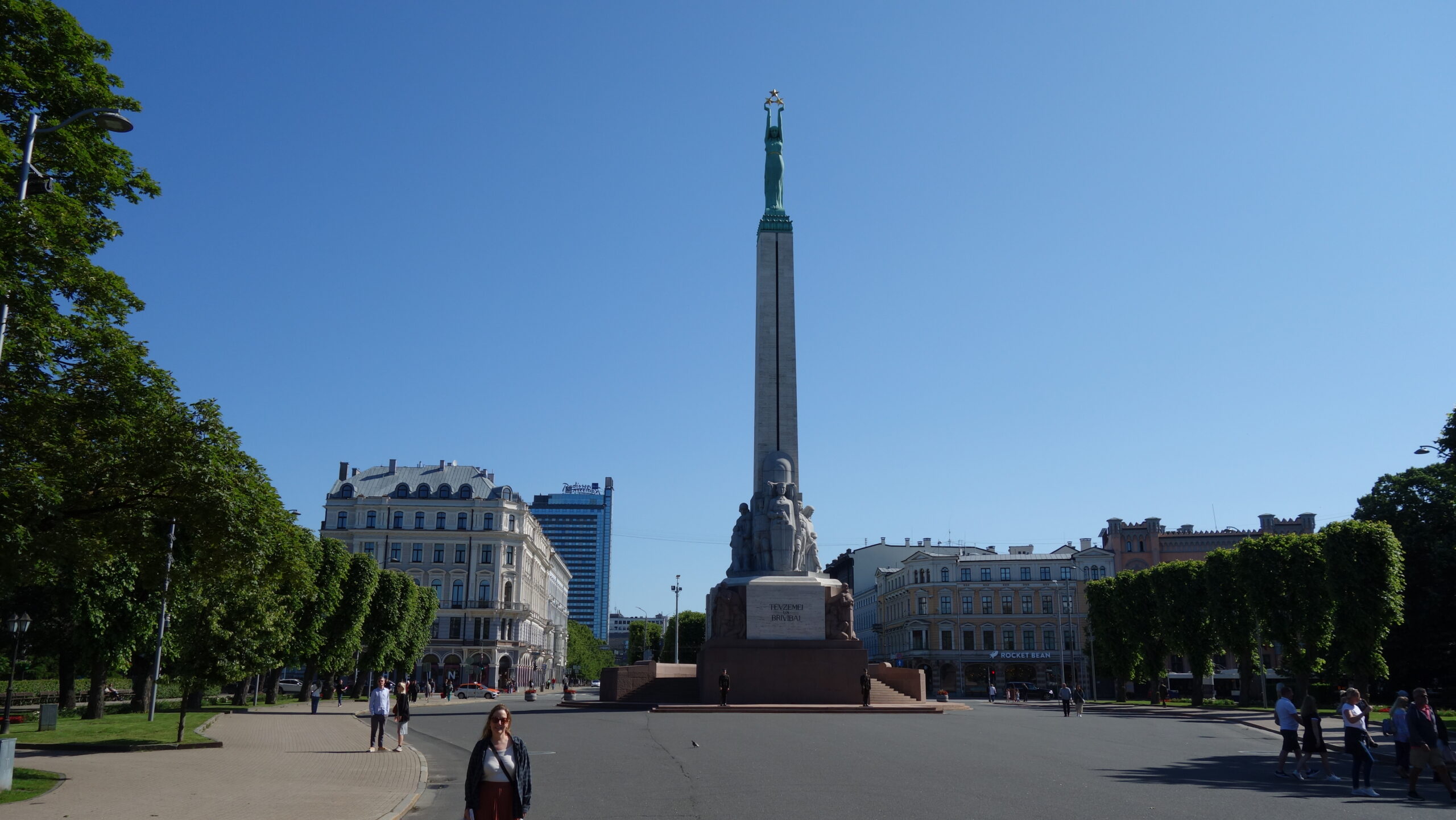
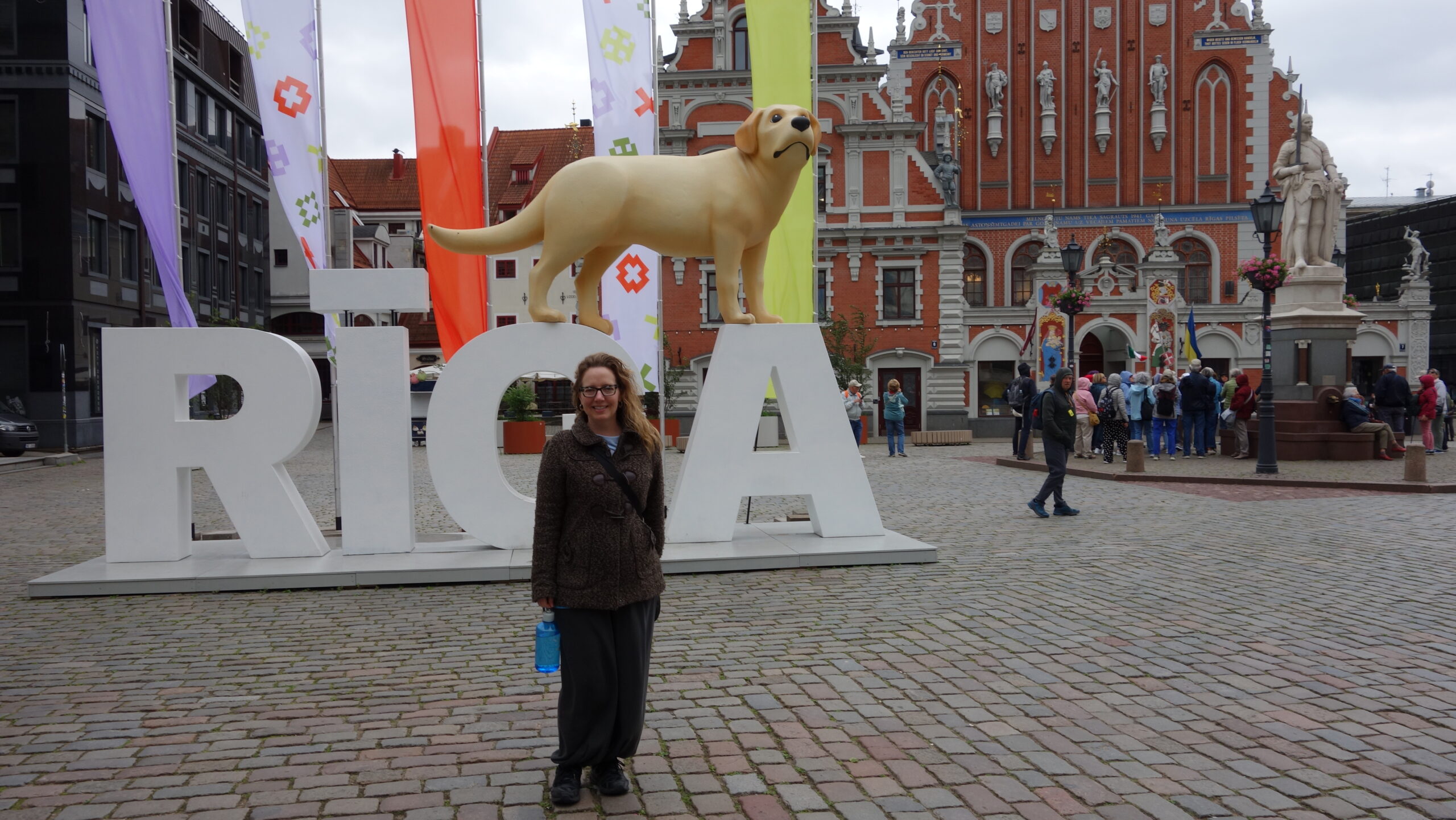
Sometimes finding yourself in Riga is a bit of a surprise, especially after a couple of really long days. I always get Mer a travel book for Christmas that tells her where we will be going in Europe in the summer (she lets me pick as long as we go somewhere new); this last Christmas I got her a book on Montenegro, which looks like a wonderfully scenic country with coastline and mountains and lakes and parks. We were looking forward to it. We went to buy tickets in early January, and somehow ended up on Google Explore’s website. Google Explore searches airfares for entire regions over a time frame you loosely set and returns the best prices it can find. We put in for any two weeks in June hoping to bring down the about-$1,000-per-ticket cost to get to Montenegro. I don’t remember what Google Explore came up with because we were immediately distracted by $450 tickets to Latvia. That included luggage. We looked at each other, and Mer said, “I guess we’re going to Latvia.”

We had been to Lithuania two years ago, so we had some familiarity with the region, and so we were excited to see what Latvia has to offer. But we had to get here first. We think the reason the tickets were so cheap is that the itinerary was less than ideal. We always fly out of Toronto because it’s usually half the cost of flying from any US airport we can easily reach, but that adds about six hours to the travel day (or days, in this case). Our flight from Toronto to Lisbon, Portugal, left at 11:50 pm, so we got up at home normally (about 6:30 a.m. in my case). packed, and left for the airport around 2:00 p.m. All of that was expected, but meant that by the time we landed in Lisbon around 7:00 a.m. EST, we were already tired, and we still had a four-hour layover. Except that it became a five-hour layover when our plane was delayed. Which became taking off almost two hours late because loading the plane took a long time. Which had us finally landing in Riga right around 5:00 p.m. EST (midnight here). We had been smart enough to get a room at a hotel next to the airport, so we got to bed around 6:00 EST (1:00 a.m. Saturday here). It was a long, long day.

But here we are! We slept in as late as we could and still get breakfast (9:00 a.m.), and then we got ready and walked back to the airport to get our rental car. That went smoothly, and so we were off, heading west toward the Baltic coast a little before noon.

We were headed to the coastal town of Ventspils, but Mer decided to break up the three-hour drive by stopping in the small town of Talsi. Talsi is a small inland town built on multiple hills and has two small lakes on each end of town. It’s very cute. We parked the car in the town’s ridiculously ample free parking areas; for a town of eleven thousand, there were on-street parking and large parking lots all over town. That was a refreshing change from Wales last summer.

We were in Talsi to wander and see Talsi. We tromped up over Mill Hill, but the mill is gone. But that brought us into a section of town where we stumbled across a bride and groom having their pictures taken. Weddings make us both smile. We continued back down to the smaller of the two lakes and then back toward the car when Mer decided we had time to go see the regional museum. So we headed back past the lake, where I got distracted by a boardwalk and a bridge, so I made a wrong turn (I was following my travel phone). Then, I took another wrong turn while trying to make up for the first wrong turn. We got it figured out and finally got to the regional museum, where we ran into the wedding party for the bride and groom we had seen earlier. We were afraid they were going to be in the museum and thus it would be closed, but they were just using it as a home base. We think the wedding may have been in the park next to the museum.

So we got to tour the museum. It cost us both all of five euros total (about six dollars) to get into the museum AND their special art exhibit in an outbuilding. Meredith was very excited about that. The museum was cute – there was a room on a local author who seemed important for Latvia, but we couldn’t read any of the information on him since it was all in Latvian. The history rooms full of stone, bronze, and iron artifacts did have English translations, so we lingered in those rooms a little while longer. There was one room of an art installation that had photos of Hitler and children where the artist had painted devil heads and horns on all of the people in the photo. It was effective if a bit creepy. There were two room of more standard paintings and one restored room of how the mansion the museum is housed in may have looked. The upstairs rooms had a room on local birds and animals, including cycling through native bird calls. The last room in the main museum was a temporary exhibit on musical instruments the museum has in the collection, including an accordion and eighties-style Casio keyboard you could actually play. The other instruments, dating from the nineteenth and twentieth centuries, were for display only.

The young woman who gave us our tickets then took us to the outbuilding. Along the way, she was surprised to find out we were in Latvia for twelve days. I guess Talsi doesn’t get many American visitors. The outbuilding had an art installment by one artist who did large paintings of famous trios – Adam, Eve, and the serpent; Hamlet, Ophelia, and Yorick (as a full skeleton); Theseus, Ariadne, and the Minotaur; and others. The figures were all joined by a triangle, and the woman was usually overlaid by two swaths of color. In the case of Hamlet and Ophelia and Yorick, Meredith pointed out that Hamlet and Ophelia are joined by the hands of the skeleton of Yorick, who is standing in for Death. Ophelia is also overlaid mostly by horizontal blue, and so is drowning. Mer really loved the piece. It’s fun to be surprised by small museums like that.
We ran into the ticket woman as we left, and she told us there was a bench overlooking the pond. The bench would play Beethoven if we sat on the bench. We tried that, but the speaker was just a commentary in Latvian. We noticed the wedding party coming toward us down a lovely tree allee when I got impatient at the narration I couldn’t understand. I pushed the button several times, which made Meredith wonder if it was going to start over, but instead it suddenly started blaring out Beethoven’s “Ode to Joy” just as the wedding party came into full view. Both Mer and I started laughing at the timing.

We headed back into town and got a cafeteria-style early supper, and headed off for Ventspils around 4:30. We got to town and settled in our room and headed off on foot to explore around 6:00. Mer had a destination in mind, but felt free to wander as well. As such, we got to walk along the River Venta toward the sea. The riverfront is very interesting. The north side of the river is dominated by cranes and large industry (mostly coal processing), but the south side is mostly bike and pedestrian sidewalks. Ventspils has managed to keep a working riverfront next to a people-friendly zone. Plus, I got to see enormous coal cranes lifting coal from a barge. It was very cool.

We eventually made our way to the beach here. The beach is hidden from the town (and vice versa) by a long line of high dunes. We sat on a bench and enjoyed the sea breeze and the mild temperature (in the seventies). There were some people about, but it wasn’t crowded, especially for a city of 33,000 people who had a beautiful Saturday to relax. We wandered up the beach to the southern breakwater and walked out on it. It was reinforced by giant concrete “jacks,” like in the children’s game. The city casts the jacks and piles them up on either side of the path out to the lighthouse. I hadn’t seen that before – the breakwater in Rockland, Maine, is made of solid granite blocks.

After sitting out at the lighthouse for a few minutes, we strolled back into town along the river. We toured a couple of dry-docked, but publicly accessible, ships. The cranes were still at the coal, and it was a fine evening to be out.

Latvia is a northern country. I was surprised to find that it was almost 10:00 when we got back to the room, and as I write this at 11:00, the sun still hasn’t set. It’s going to take some getting used to.

And so it’s been a good day of surprises for me in our surprise country to tour. We’re here on the sea for a few more days as we use Ventspils as a home base. We’re here and happy to be so.

Wales 2024 – Day 15, Monday, Llandudno, Wales, and Seamill, Scotland

Travel sometimes brings you to the pinnacle of experiences and the breaking despair of roundabouts, and often not only on the same trip, but on the same day. On most trips, I have some breaking point where I just want to go home, usually at or after day twelve. Mer pointed out that this wasn’t the case last year in Lithuania, but I think that it was because the driving there was sane. After Wales frayed every driving nerve I had, Scotland chipped in today on our way through Glasgow.

I knew that today was going to be a long driving day. We had to drive from Llandudno in northern Wales to Seamill, which is thirty-five miles west of Glasgow. That drive takes about five hours and fifteen minutes, so I figured six hours. I turned out to be a very long seven hours. But we were still in Llandudno in the morning, and I had just noticed that the cable car up the Great Orme was running.

So of course my plan to drive to Seamill as early as possible got shelved. We packed up the car and walked the two-minute walk over to the cable car and saw a sign saying to go to the ticket booth, so we went down the hill to the store, where the woman said the store had nothing to do with the lift, so we went back up the hill to notice the “cash only” sign for the twenty-eight pounds we needed, counted out that we only had twenty-two pounds, went back down the hill to the store, were told that the nearest ATM was in town about a half mile away, walked into town, got twenty more pounds from and ATM, and walked the half mile back and up the hill to the ticket office. Simple.

And so we got on the cable car, after the attendant threw out two (of three) sandbags. It seems there is some wind and the weight helps keep an empty car stable. Mer sat in one seat, and I sat in the other, with the plan of reversing the seats on the way back. The cable car run is a mile long, making it the longest cable car in the UK, and so it was a good, long ride. I like how quiet cable cars are – we went up over the cliff wall of the Great Orme, passing over a large garden we hadn’t known about and a small single ski hill with an alpine slide we had missed, and then we were over the fields of the Great Orme as sheep bleated all around us. It was beautiful and peaceful.

We got off at the end of the line and hiked up the arduous ascent to the summit of the Great Orme, about twenty-five feet away, without oxygen tanks or Sherpas. Naturally, we posed for a photo. From that vantage point, Meredith saw and pointed out one of the major Edward the First castles across the bay in the town of Conwy. We looked around for ten minutes or so, and I briefly dropped my return ticket, and Mer got the spectacle of my chasing it around in the stiff breeze, but then we went back down to get in the car and head north.

For much of the trip, the major issue was fighting being sleepy. I like spoken-word recordings, but my older iPod with my podcasts had the wrong USB cable. Enter the rather wonderful BBC Radio 4. Radio 4 seems to be all spoken-word recordings, from storytellers to comedians to odd gameshows to old-time-style radio dramas. We listened to various shows for a good four hours or so, and it was a fun way to pass the time and miles.

Then Glasgow. Somehow my going to a hotel on the west coast required me to drive through Glasgow at 5:00. I got channeled off the highway unexpectedly as the two slow lanes dumped me into the city. Then I went the wrong way while my GPS was recalculating. Then I had stop-and-go city driving for several lights before getting back on the highway, only narrowly avoiding repeating the exact same sequence thanks to Meredith’s asking me if this wasn’t the same road. She warned me just in time.

After Glasgow and the highway, I got hit by the UK’s passion for roundabouts, where if you’re in the wrong lane, you can get channeled away from your real exit (as happened to me). And even if all goes well, it gets tiring having seventy-mph roads terminate in a rotary every two miles (this is annoyingly common). By the time we got to the hotel, I was exhausted, had sworn once (a heartfelt “damn”), and had pathetically replied to a Meredith question with “I don’t know. I just want to go home.”

Happily, our hotel is quite swanky and is right on the sea. After a terrific supper looking out over the Firth of Clyde, we walked out along the beach for about forty minutes, admiring the islands and the light off the water.

It’s been a great time here in the UK. It was good to see Dubbs, the Lake District, Lincoln, Wales, and Scotland. We’ve seen abbeys and castles and mountains and mines, and they have been wonderful and enlightening. But now I want to see my home, pet my cats, sleep in my bed, eat foods I know, and drive on the right side. Our flight leaves tomorrow at 8:30 am, which means we’ll be up a little after 3:00 am to get ready and drive to the airport. But that means, Lord willing, we’ll be home Tuesday evening and able to go to sleep at a normal time. And so, off to bed.

Wales 2024 – Day 14, Sunday, Bodnant Gardens and Llandudno, Wales

Many of my best vacation days come somewhat as a surprise. I either plan something that has more to it than I thought, or I don’t plan something and wing it and it turns out well (although it should be noted that sometimes improvised plans peter out) or locals tell me interesting things to do of which I was unaware. Today had examples of all three. Since it was Sunday, I wanted to go to church, but I also wanted to see some sights that had set closing hours. Ideally, I wanted an evening church service, but couldn’t find one in the area where we were staying. I did find an intriguing service at a tiny church up on the Great Orme, a very scenic hill above the town of Llandudno. Since I wanted to go up the Great Orme anyway, and the service started at 12:30 and gave me time to see Bodnant Gardens along the way, I added the church service to the day’s activities.

But first we stopped at the marvelous Bodnant Gardens a few miles south of Llandudno. I like large botanical gardens, and this one was set with the mountains in the background, so I knew I wanted to see it from early in my planning. Because of the church service, we would only have two hours at the garden, but I figured we could see a lot of the place in that time.

Not so much. The grounds are on eighty acres with dozens of interlacing paths and varying types of terrain. I wasn’t going to stress myself (not to mention Mer) by speed walking through the grounds just to say I had seen everything. We took it easy, and it was a very peaceful morning.

Since I knew we had limited time, we asked a docent (guide? gardener?) what to do. He said we had to start with the laburnum arch, which was a one-hundred-foot-long trellis with long yellow flowers hanging down. While not quite yet in full bloom, it was very pretty. The docent had told us to come back to him after the arch, which we duly did, and he directed us to the side of the house, where there were multiple stepped terraces, the first of which was covered in blooming roses. Mer and I were pleased – usually when we come across a rose garden, we’ve missed peak blooming, but this garden was resplendent.

We found a secluded spot from which to admire the next terrace, which featured a pond between two huge old trees, and I reenacted a scene from Pride and Prejudice, one in which Mr. Darcy professes his love for Lizzy. When I finished, Mer was trying very hard not to laugh, and we both mentioned my libido-killing sun hat at the same time. She admitted that it was hard to take a passionate admission of love seriously when staring at that hat. It was still a pretty place.

We dropped down to the last terrace, which had yet more roses and a very pretty reflecting pool showing off a handsome building (that used to be a pin factory) that the owner of the estate had bought and had moved to this terrace. Visually, it worked very well.

From there we wandered down to a stream where there was a small cafe, where we used the restroom. We also lavished fond attention on a kitty who was washing herself in the middle of an outdoor coffee table and seemed very comfortable with all the attention. Since we have been missing our own kitties, that was a welcome break.

We walked along the stream some, and then headed back up the hill through woods and a field and a small corner garden, before coming back to the house, which is still a private residence. We were not asked in for tea. Which was good, since we had to head on to St. Tudno’s Church on the Great Orme, a limestone headland at the end of the peninsular town Llandudno.

I knew it was going to be very close, but had not realized just how steep and tight the roads were that went up onto the limestone hill, which I also had to share with trams hauling people up. I also had not realized how big the headland was – almost two miles long and one and a half miles wide. As such, after one wrong turn, I parked in the first parking pull-off I saw, and we walked down to St. Tudno’s. As such, we were about ten minutes late, but the people were very friendly and welcoming. There were maybe fifteen of us, with two lay women leading the outdoor service. The regular vicar was on vacation, and the fill-in had been in a minor accident, and so there was no priest. It felt like the story of St. Francis preaching to the birds. We had a seagull standing on a tombstone off to one side, and several sheep were grazing in the churchyard right behind us. It was fitting since it seems that this last week was some sort of UK celebration of the biodiversity of churchyards. The service focused on the hope we have in God, even in our dark times. It was special to worship in an intimate group, outside, and right next to a church that dated back to the 1500s (and there has been a church on site since about 600).

After church, one of the lay women chatted with us and strongly recommended we take a scenic drive around the Great Orme, and even gave us tips on how to get to the mercifully one-way road around the back of the headlands (“If you stay really far right on the curve, you can probably make the hairpin turn in one go”). I love recommendations from locals, so I added that to the list.

But first, we had to go underground. The entire reason we were in Llandudno was because I had stumbled across a mention of the Great Orme Copper Mine, which is a Bronze Age copper mine. We popped over and got our tickets. Bronze is an amalgam of copper and tin. This mine had tons and tons of copper (the largest Bronze Age mine yet found), but the nearest source of tin was three hundred miles away in Cornwall. Somehow they managed.

This mine was accidently discovered in the late 1980s as the land was being surveyed before being used for a car parking lot. There are miles of tunnels all dug using stones as hammers and bone tools as picks and chisels. Prior to the discovery of this mine, the conventional thinking was that the Romans brought metal-working to Britain around 40 AD. This mine dated to two thousand years before that, so it moved the timeline along a bit. Bronze that matches the product of the mine has been found as far away as Sweden, so some serious trading was going on.

Of course we could go underground. The accessible tunnels were low and narrow, but passable. There were many tunnels in which the public isn’t allowed that were very small, and some exist that must have been carved by children because researchers can’t fit in them. The miners followed the softer copper minerals, so wherever the vein went was where the mine went. We were allowed on the first two levels of the mine, out of nine known levels (the lowest of which goes down to the water table, so they had to stop there because of flooding). There was one large cavern that had been dug out that is currently the largest Bronze Age manmade cave known (about the size of a very large classroom), and it had about a dozen tunnels leading away. It was a great tour, but the only thing I had planned for this town.

The scenic drive was not planned, but it was gorgeous. It gave great views of different parts of the headlands, as well as some overlooks of the mainland. We stopped at a cafe to grab something to eat just so we could linger in such a pretty spot. The scenic drive got us back to the west side of Llandudno, and we headed to our hotel.

Llandudno, it turns out, is a vacation town for the British, like Blackpool. Our hotel overlooks part of a long pleasure pier, which includes a Ferris wheel. We got checked in, and then went up to a lookout point next to our hotel, which had a panorama of the town and far side of the bay area, as well as a view of the mountains to the southwest. We made our way down away from our hotel, which opened up close-up views of our side of the Great Orme. We eventually got down to the pier, of which we walked the length, which, if you remember that Wales has the second highest tides in the world after Australia, was no small thing. It’s a really, really long pier.

We walked part of the promenade with the ocean on one side and a solid wall of late 1800s hotels on the the other. We made our way away from the shore into the town, where we found an Italian restaurant and ate supper. Afterwards, I tried to do a couple of things that had caught my eye, but they had closed. So we wandered a bit at random again, until I saw a sign for the West Promenade. Since Llandudno is on the neck of a small peninsula, it has ocean on the east (the busy side) and the west (the windward side). We walked all the way out to the western side, and it was wonderful. The tourist trappings were all gone, but there was a long park and wide sidewalks all along the beach area. We watched several kitesurfers out on their boards, and we were impressed at their speed and flips and jumps (some of which let them hang in the air for five or six seconds). The mountains were in front of us, and the Great Orme was behind us. It was a lovely spot, if a bit breezy. We sat and strolled some for about thirty minutes before heading back to the hotel for the evening.

Touring, at least for me, takes some parts planning and some parts improvisation and a willingness to listen to locals. We’ll see what happens tomorrow, as we have our long six-hour drive up to Scotland to put us close to the airport for Tuesday morning. I haven’t planned anything yet. Let the magic happen.

Wales 2024 – Day 13, Saturday, Snowdonia National Park and Blaenau Ffestiniog, Wales

I woke up this morning with a rare (for me) stiff neck and headache, probably from sleeping on too many different pillows over the last two weeks. Headaches usually make me nauseous, and so it was, mildly, this morning. We ate a hurried breakfast because we had 10:00 tickets to take the train up Mt. Snowdon and we were about ninety minutes away. We got on the road a little after 7:30.

Good thing, too. The roads in the national park range anywhere from excellent to nigh imaginary. I had a headache, an upset stomach, winding one-lane roads with two-way traffic and short sightlines, and rain that ranged from drizzle to downpour with surprising variety. By the time I got to the parking lot at Mt. Snowdon, I was frazzled, ill, and spent. Then I had to figure out how to pay the fifteen-dollar parking fee. I tried four different machines, and none would recognize my worked-everywhere-else credit card, so I had to come up with fifteen dollars in coins. That’s not as bad as it sounds, since England has the equivalent of one- and two-dollar coins, but I still had to go buy a postcard to get some additional change. Add in a quick bathroom trip, and Mer and I ended up using all of the extra time we had given ourselves.

But then we got to do some serous butt-sitting tourism. We rode the train up about four and a half miles to get to the summit of the 3,500-foot mountain, the highest British mountain south of Scotland. The rain had mostly stopped as we boarded the train, and we had magnificent views of other mountains, valleys, a few lakes, and maybe the sea. We did hit a cloud layer a little over three quarters of the way up, and it was like being in a very thick fog. Still, the ride up and the ride down were brilliant for looking around.

One of the things that surprised me was the number of people on the footpath that wound alongside of us. It’s considered the easiest footpath up the mountain, and so it is the busiest, averaging over sixteen hundred people on Saturdays, which means much higher in summer. It meant that when we looked out the window down the trail, we saw a nearly constant stream of people. And this was on a day with dicey weather. It must be a madhouse on a sunny Saturday in summer. We even saw a team of people pulling an all-terrain wheelchair up the path. I hope they made it.

We did, of course. The train gives you a very strict thirty minutes at the top, and if you miss your train, you are probably walking down. A few hikers got off the train to walk down as planned, and those few spots were filled by cold and wet hikers who decided to pay to ride back down. The women who sat opposite us said they had taken about three hours to walk up in sun, rain, snow, lightning, and hail. I could understand why they were using the train.

We ate a quick lunch at the train base station, and then I had a decision to make. I wanted to do many things in Snowdonia, but only had time for one of them. I could go see the Hollow Mountain hydro power plant, or I could go see the mighty Caernarfon Castle on the sea, or I could go to the cute imitation Italian village of Portmeirion, or I could go see the moving Slate Mountain museum mine. In the end, I picked mini golf.

Not just any mini golf, of course. A local amusement chain called Zip World converts old slate mines into amusement centers with zip lines and trampolines and other such things, with most housed in the old mines. We’re staying the night in the town of Blaenau Ffestiniog, which includes a branch of Zip World that has a mine-themed mini golf course four hundred feet underground. We had to put on helmets and everything. The course is eighteen holes on four different levels, and to go from hole sixteen to hole seventeen, you can take a slide down several of the course levels, after putting your club on a separate putter slide. Your ball would sink in hole sixteen, and you’d retrieve it from a tin bucket thirty feet below. There was great eighties music playing, and everything was lit in changing colors, and every hole had different obstacles inspired by mining, and all of this was in a huge cavern in an old slate mine. It was epic. And I won, too (although Meredith got the only hole in one), AND my headache finally went fully away in the cool of the mine.

We then checked in to our B and B and got something to eat from a family-run pizza place that included a very bohemian music stage. We ate our pizza on a couch facing the empty stage while music played over the speakers. It was very mellow.
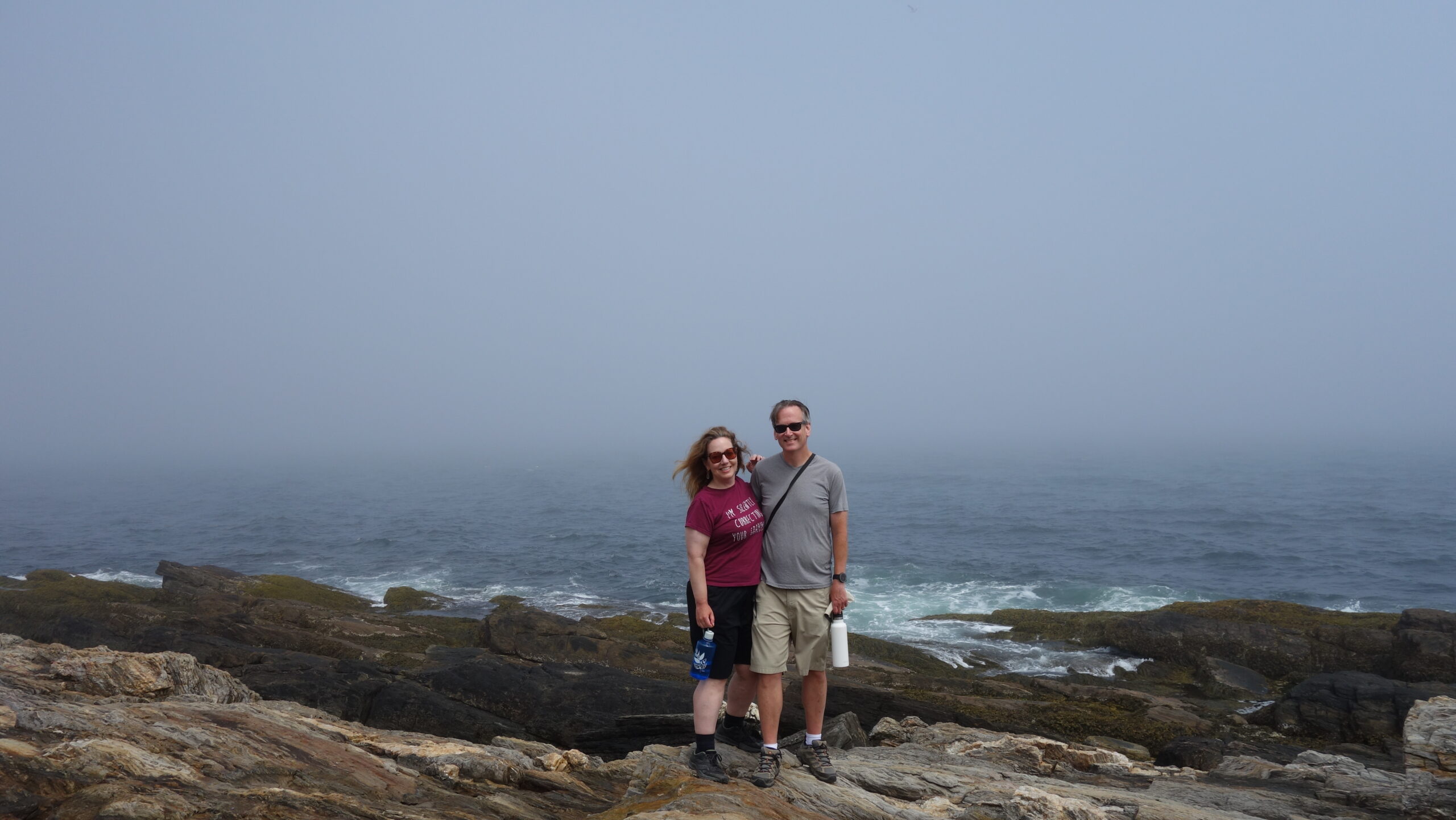
After supper, I wanted to walk High Street and then go home, since I had had a rough driving day. I had seen a hike to a waterfall, but it was almost forty minutes round trip, and I was tired. But then I saw a road that went up and thought it might give a good view of the town and surrounding mountains. That led us to a path that I thought would take us to the waterfall, except it didn’t. But by then, we were over half way, so we kept going and got close to where we could see the falls, but not how to get there. So Meredith asked a local woman how to get up to them, and she said you couldn’t – there was no trail. But then she told us of an old slate cart road that went up the mountain behind the houses we were facing, and then you could walk to a beautiful lake behind the mountain. Since the trail went up, I figured I’d give it a try, at least for part of it.

The end result is we got quite a bit above town, but then did turn around at the end of the steep part of the slate cart road. We stood there for several minutes to admire the views in all directions, and then walked the now fairly long ways back into town, to the B and B.

Tomorrow we continue driving north, since we leave out of Scotland on Tuesday. Unless I decide I need a mini golf rematch first.

Wales 2024 – Day 12, Friday, Pembroke and Snowdonia National Park, Wales

When it comes to touring, Meredith and I are … thorough. If time and energy allow, we see and read everything and listen to any docent we come across. Pembroke Castle’s website recommended leaving two hours to tour the castle. I figured we’d take four. We spent six hours there.

Whew, what a ton of history happened at and around this castle. In a nutshell, it all boils down to this:

It’s complicated.

The detailed version of the history is more involved, of course. It goes like this:

It’s complicated and involves a ton of people and time.

You can see why it took us six hours to tour the place.

The interior of the castle is in excellent condition, with many structures intact and tourable. That includes the main round tower keep, for which, while you can’t go inside it for some reason (it had a barrier across the door), you can climb one hundred steps to the roof area, act terrified, take a couple of pictures, and flee back down one hundred steps. For instance.

Several of the round towers had short films playing of the important people associated with the castle, the most famous of whom is Henry VII, of king fame. These little films were black and white cartoons which presented summaries of the history, but usually with some visual humor. Meredith and I laughed out loud at several points. We’ve seen several of these self-aware corny films at historical sights over the last two years, and we love them. I’m glad it seems to be a trend at tourist areas.

The castle dates from around 1090, which makes it old. The original one was made of wood and was built on an outcropping of one-hundred-foot cliff surrounded on three sides by a tidal river that rose and fell over twenty feet, either flooding the river area or leaving a large barrier of mud. As such, only the front of the castle really needed major defenses, which was a wall and a ditch originally, but was enough for forty Normans to hold off three Welsh princes and their army. It’s a superb defensive position, and the castle was never taken by force. It was surrendered to Cromwell after he finally brought in major siege guns, but those in the castle had held him off for eight weeks to that point.

The wooden castle was eventually replaced in stages by stone, beginning in the 1100s. The major mover and shaker was William Marshal, who was a pre-Renaissance man. He came from nothing, trained as a knight for seven years, and then took the French knight tournaments by storm for ten years, beating almost five hundred combatants in that time. He became so famous that the English king, Henry II, called him back to England to train his sons. William Marshal married and advised his way up the feudal chain, becoming Earl of Pembroke and running England a couple of times for two of the kings he served (King Richard the Lionhearted, who was off fighting in the Crusades, and Henry III, who was just a boy when he became king).  Marshal was also the key negotiator between King John and the barons when they were about to go to war, resulting in that Magna Carta thing about which we’ve heard so much and which is absolutely not in Lincoln Castle, where we successfully didn’t see it. Marshal also put down a rebellion in Lincoln when he was in his late sixties. Marshal lived a pretty amazing life and added huge expansion projects to Pembroke as a way to show off his success. Oh, and at the very end of his life (in his seventies), he managed to divorce his wife so that he could be buried as one of the Knights Templar, who required that the knights be chaste. Since he was divorced, he clearly wasn’t married, and so was chaste, and was buried as a Knight Templar. He was a well-known, powerful, and well-liked man.

Henry VII was born to his fourteen-year-old widowed mother in a tower in Pembroke Castle. It was during the Wars of the Roses, when two powerful families were killing each other for the right to be king, and Henry’s mother was part of that to the extent that they both had to flee to Brittany, in northern France. He eventually came back, raised an army, beat Richard III, became king, married a woman from the other house, and thus ended the Wars of the Roses.

That is grossly simplifying the history of a French-born English queen who was mother to the English king and then was imprisoned in a country house and kept there by a Welsh knight who fell in love with her and fathered two children by her to be pardoned by the same son/king who made his half-brothers earls, one of whom married up but died while his thirteen-year-old wife was pregnant and needed somewhere safe to go, so went to be with the still-alive brother at Pembroke. It’s complicated.

Pembroke also had a tie-in with its earl Richard Strongbow, to whom Mer and I were introduced in Waterford, Ireland, a couple of years ago, for the simple reason that Richard married into an Irish noble family and became king over southeastern Ireland, only to be told to shove off by the English King Henry II, who made Richard an earl in exchange for Henry’s getting to claim Ireland for himself and have Strongbow run it. That was a cool connection for us to make.

Many other historically important things happened at the castle, but enough of that. The castle has a cave! An awesome cave! An awesome fortified cave that looks over the tidal river! A cave that can only be reached by a spiral staircase! Awesome! The cave is really big, and was an important reason for why the castle was good at withstanding sieges. Boats with food could resupply the castle through the cave when the river was at high tide.

Mer and I clambered all over the towers and walls and keep and cave, and had a great time. We took two different docent-led tours just to hear more stories of the place. We left after six very happy hours to drive north to the southern part of Snowdonia National Park, a wild and mountainous part of northwestern Wales.

We got to our hotel at 7:00 and had supper just as the hotel restaurant was closing. Because Wales has a late sunset, we had some time after supper to walk five minutes over to a trailhead to take a hike. Mer suggested that maybe we shouldn’t do the five-hour, round-trip, strenuous hike up Cader Idris Mountain, so we did the twenty-minute easy hike along a stream, where we could admire hills and mountains all around us without actually having to climb any of them.

And so another day of touring is history. Tomorrow we will climb a mountain by sitting on a train, which seems a much easier way of going up in the world.

Wales 2024 – Day 11, Thursday, Llandeilo and Swansea and Pembroke, Wales

I kept checking the weather this morning, and while the forecast was still for rain and heavy winds, it looked as if they wouldn’t start until between 10:00 and 11:00. We were packed and headed out around 9:15, so I took a chance on getting in one quick outdoor sight. Happily, there was a spectacular one very close by – Castell Carreg Cennen.

Carreg Cennen was only about four miles from our B and B, but the good one-lane, hedge-lined Welsh roads made it so it took about twenty minutes to get there. The entrance to the grounds is a privately owned farm, so we paid our fee and went, of course, up. The path took us through a well-populated sheep field, and near the top, the path got confusing. I could head straight up the hill for the last part, or take a path that looked gentler. I took the path around the castle and ended up against the wall and a steep drop. I can only assume the wily, defensive-minded sheep were chuckling.

We backtracked and got up to the castle itself. It was not so complete as the Newton House grounds castle from yesterday, but the views were impressive, and the ragged outline of the castle was evocative (the English painter Tuner painted a picture of the castle in the late 1700s). I was delighted when I saw a sign for “Stairs to Cave,” but was even more pleased when the gate was open. Down we went.

Remember how the forecast called for rain and wind? The wind had arrived, and the castle tunnel to the stairs to the cave was acting as a wind tunnel. Mer had some serious blonde-outs going on. We climbed the steep stairs down into the cave, which was a natural one, and I thought we were done. All good fun. Then my eyes adjusted, and I saw  that the cave went back into the hillside more in a passage. I turned on my phone flashlight, and we cautiously made our way along the cave. I think we got about a hundred feet back (and down some) when I turned around because footing was getting slick. I looked it up later, and the cave goes back 160 feet and ends in a small pool of water, which would have been useful for a castle with no well.

Back up we went, and now it was spitting rain, and the wind was picking up. Another couple came up into the castle, but there were still only four of us there. Mer and I picked our way around the accessible parts, which were mostly along one wall, and admired the view, which was rapidly disappearing. There was a line of rain moving in, so we moved out. Just as we got to the base of the castle, but with the downhill still to go, the wind picked up and started lashing rain at us. It was what I refer to as “Shannon-hiking weather.” (Shannon is my twin brother. His hikes tend to be in challenging conditions, for some reason.)

I was pleased we had gotten in an outdoor sight, but now the rain did come on as forecast – fairly heavy and with wind. We drove an hour south, to the coastal city of Swansea, Wales’ second-biggest city, with 170,000 people. I had been looking for indoor things to do, and we were there to see the Dylan Thomas Centre.

I knew very little about the poet Dylan Thomas, but I knew he was an important writer. I found out today that he is best known for his poetry, but he also wrote screenplays (especially during WW II) and short stories. He died at the age of thirty-nine in a hotel room while touring America. It wasn’t clear from the museum, but it sounded as if he drank and smoked too much and was accidently given too much morphine after he had collapsed.

The museum was small and laid out in chronological order. Thomas worked very hard at his writing and early on pestered publishers with his work to get his words in print. He moved in quite the crowd of people even as a young man – he wrote to or met ee cummings, TS Eliot, Picasso, and a host of other writers and artists. While Thomas asked many of his writer friends for feedback on his work, Thomas was very generous with his time in helping other writers too.

So, like many people, Thomas was a complex person. He was passionate about his work; he worked hard but played hard too. He loved his wife deeply but had at least two affairs on her. He probably drank too often, but was gregarious in the pub and talked with anyone at hand. He was close to his parents and often lived near them. Thomas’ friends said he was almost always happy. He certainly knew how to celebrate language.

We spent two hours in the little museum and then headed outside. The weather had gotten worse. I started us walking toward another museum a few minutes away, but we were quite wet within two blocks, so I detoured us into a Fridays restaurant because it was there and it was warm and it was dry and I was hungry. Not a very European experience, but it did the trick.

At 3:00 we headed back out into the tempest and made our way two more blocks to the National Waterfront Museum. I had come away from the webpage of the museum thinking it was a museum of science and industry for Swansea from 1900 and on. It sort of was, but it was also about the people of Swansea – showcasing groups like miner brass bands and rugby teams and trade unions and women’s suffrage organizers. The museum had many audiovisual displays, but we never found any for which the sound worked. Some of the exhibits felt unorganized and crowded, but because there was a large open space in the middle of the hall, maybe they were getting ready for some big event. I think the museum has some great potential, and I loved the section on writers and artists who came from coal and slate mining families, but the museum needs to make sure things are in order and working. I came away a little disappointed, but I was also tired and a little wet and cold.
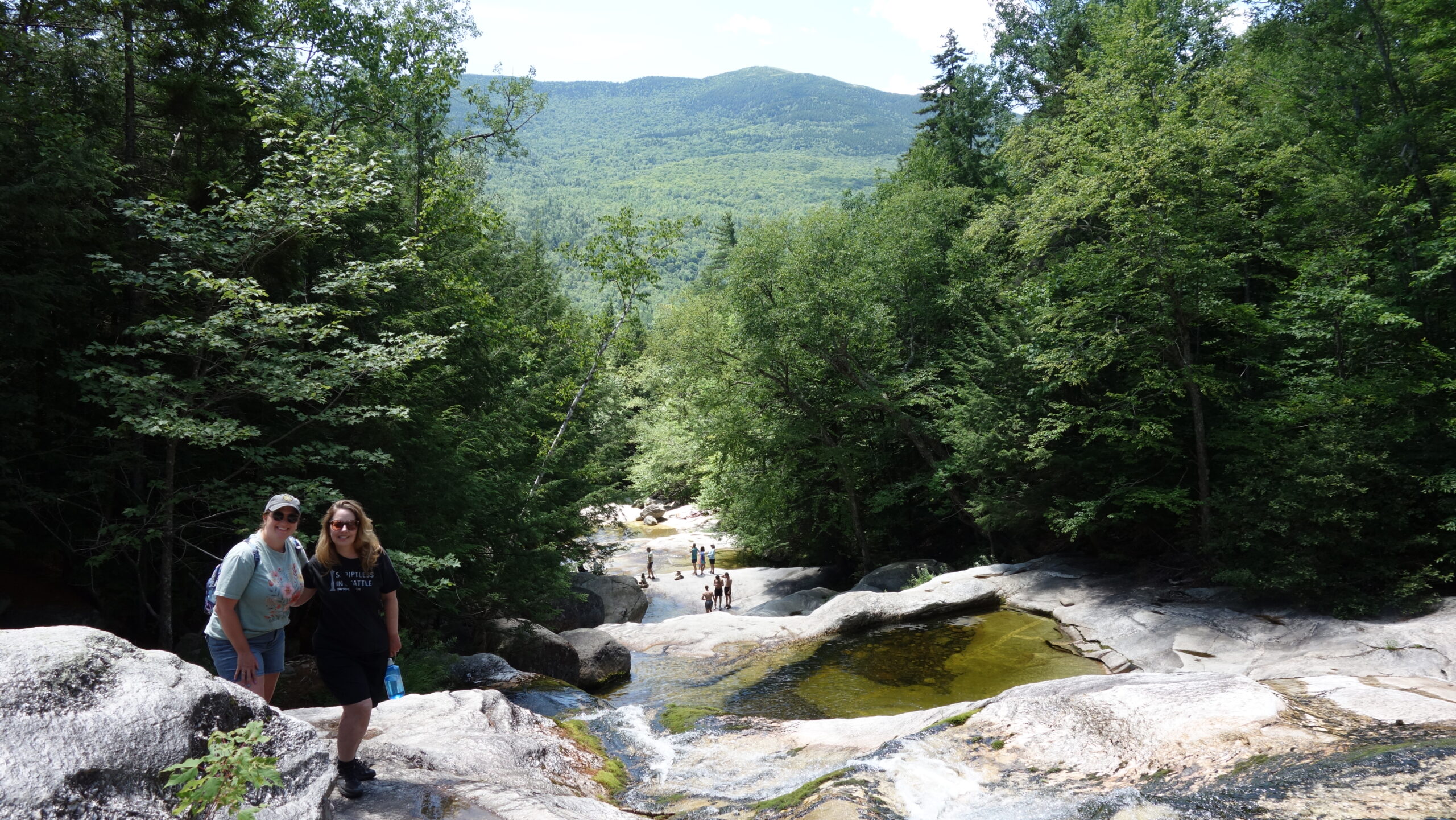
And so we headed west to our B and B town for the night, Pembroke. We hit a fair chunk of traffic, got channeled off of roundabouts in the wrong direction (twice), and hit a construction detour, and had heavy rain, so that the seventy-minute drive took two full hours. On the plus side, just as we were pulling into town, the rain stopped. As such, after supper, we spent an hour walking on paved trails that go around the exterior of the mighty Pembroke Castle, which I hope to explore in more detail tomorrow.
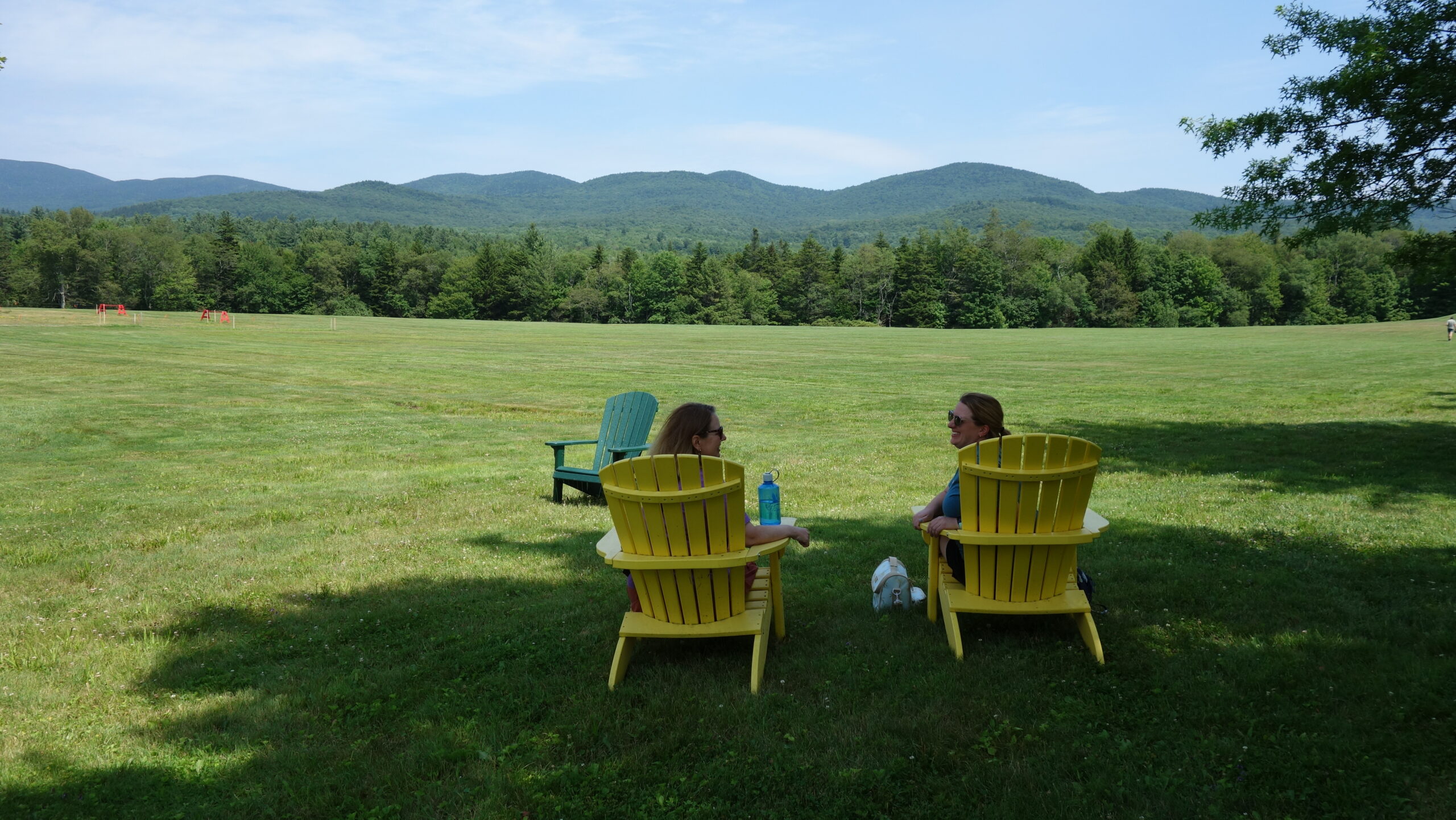
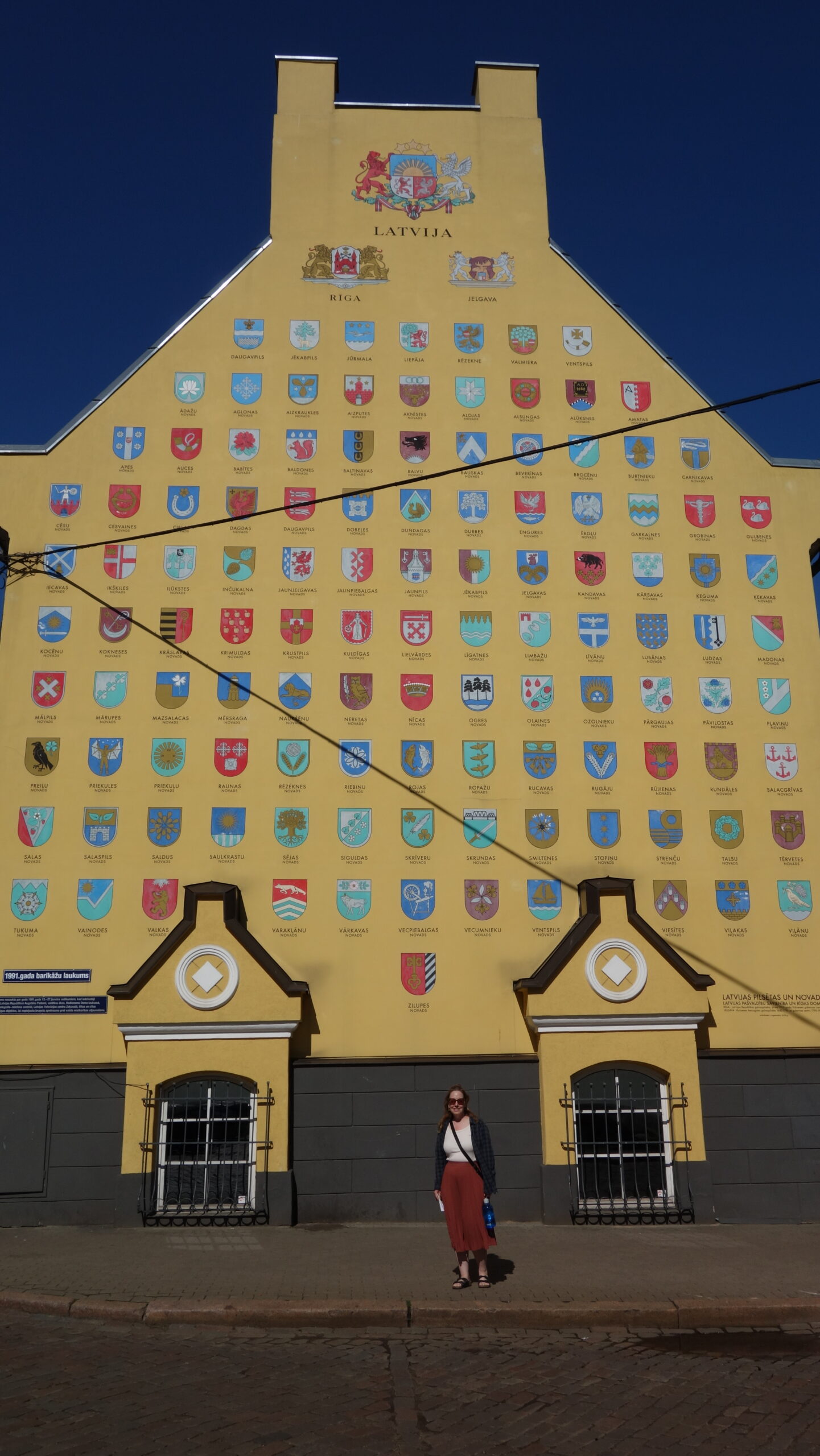
So the day began and ended with bonus touring of castles. That is a good day already, and the Dylan Thomas museum added to a fine outing.

Wales 2024 – Day 10, Wednesday, Llandeilo, Wales

Local conditions help me to focus, especially local weather. We left Cardiff today, and I had toyed around with going underground for a mine tour, but the weather today was supposed to be fairly good, and tomorrow (Thursday) is supposed to be quite bad, with heavy rain and wind. So I scrapped any idea of going underground on what could end up being our last rain-free day of the trip (showers forecast all upcoming week). I wanted to do something outside instead, and based on some internet research, I landed on the park right next to our home base town of Llandeilo. We headed over to Dinefwr Park.

Dinefwr Park is land that used to belong to the Rhys (“Rice” in English) family, who later became barons. The members of the family had many ups and downs, from one’s being a right-hand man of the king to one’s being the man who killed Richard III to one’s being jailed for treason, and finally the estate was sold in the 1970s to pay for death taxes resulting from two of the barons dying only six years apart (it seems as if the death tax was forty percent, so that’s a lot to lose twice in six years). The property was bought by the national trust in late 1980s, and the house was restored. So the park has a manor house, beautiful grounds, a herd of white cattle, a herd of roaming deer, and a castle ruin. It’s easy to see why I needed to come here.

We pulled into the car park and paid our five-pound parking fee and were asked if we wanted a tractor-pulled cart ride for five pounds each. We said sure and paid for that and then made our way up to the house to be picked up. A nice young guide found us and told us we were the only people on the tractor tour, and wondered if we could go on the 12:30 one instead. We were fine with that, and out of gratitude and because she was now free, she offered to show us around the house. Along the way, we picked up another docent in the first room, so our group was Meredith and I and two guides. It was great.

Because we were with staff members, they could take us around places not normally shown to people – the back-of-house laundry area, the servant hallway, the non-immediate-family family bedrooms, the third floor of the house. Along the way, our guide pointed out things we never would have noticed:

– how one portrait of a baron shows him looking authoritative, but the painter slyly put in papers falling from the baron’s desk to show he was losing control
– how the impressive main stairs started to slant after some renovations loosened them up, and they needed to have supports added
– how the stone shields on the outside of the house were all blank because the baron ran out of money to have them carved
– how some of the ceilings seemed to have plaster work, but were actually made of papier mache
– that one of the barons built a ground-floor bedroom for the butler when the butler got old
– that several old rooms were combined to be able to reduce the number of fireplaces since fireplaces started getting taxed

After the tour, we went back through the house on our own to read the placards and to see a few rooms we hadn’t seen, including the “below stairs” servants’ area in the basement. We then grabbed a quick snack in the tea room and headed out for our tractor tour.

And we were still the only ones on the tour. They decided to go anyway, and just as they were getting ready to set off, another couple joined us. So four tourists, a driver, a paid guide, and a volunteer guide. That’s good service.

The tractor ride was pleasant, and we got to go in fields around the house that are normally off limits. We got very up close with a herd of the white cows and calves that reside in the park, and we learned they are an endangered breed. The cows as a species have been in the areas since 900 and so are seen as special to the area.

From the tractor ride, I wanted to hike to the castle ruins on the hill. Meredith helpfully pointed out that I was taking off in the wrong direction. I told her the signs were pointing to the DIRECT way to go, but we were going via the deer park. I wanted to take the long way around. The walk through the deer park was under very mature trees (they didn’t laugh at my fart jokes) and had one great view of the manor house with some deer munching grass in the field facing us. There were a few carved wooden statues of animals along the path, and we eventually came out onto a very long boardwalk that followed a stream for some ways while the path wound through more trees.

That finally led us to the path for the castle, which went … wait for it … up. Somehow, castles often seem to be on hills. We took our time and made it to the top and were greeted with a castle ruin where the castle and walls were still in really good shape. The castle was from around 1200, although there are reports and tradition that there was a fortification there even earlier. We walked in through the door without having to lay siege, and were greeted with mostly intact walls, a largely intact round tower, and two square towers in good shape. The walls and all three towers could be explored, and the round tower and the taller square tower could be climbed, with excellent 360-degree views from the round tower. We walked everywhere we could access, and I even managed my fear of heights well, since the parapets were high enough to make me feel okay. By the time we got to the castle, the sun had mostly come out, and it was a very pretty day to look around at the surrounding hills. My guess is we were there for about half an hour.

We walked (the direct way) back to the car and drove the two miles to our hotel. We got checked in, and then walked the town for a bit, walking through a residential area to see how normal people live here, and we stumbled across a park that had great views after we climbed … wait for it … up. That wrapped up the touring for the day, as we got back to the hotel and had supper here. I have more scrambling and touristic improvising to do tomorrow to try to stay dry, but today worked out very well.

Wales 2024 – Day 9, Tuesday, St Fagans, Wales

Meredith and I enjoy folk museums/villages, where old buildings (usually farmhouses) are preserved so visitors can see how people of yesteryear lived. We’ve been to such museums in Lithuania, Ireland, Scotland, Czechia, and the US. And so it was that we drove the twenty minutes west to St. Fagans National Museum of History, which is the Welsh version of a folk museum.

Often, folk museums tend to be dominated by a brutish living-under-thatch feeling, but St. Fagans surprised me right out of the gate. The first house we saw inside the museum was a two-story red farmhouse from the early 1600s. While it did have a thatched roof, it was unusual in my experience in that the inhabitants painted it red (such houses are usually whitewashed or left natural stone). Supposedly, the red was to keep evil spirts away. But when we were actually under the straw roof, the home was quite comfortable-looking, with multiple rooms and real floors (not dirt).

That mostly set the tone for the day – being surprised at, in general, how comfortable the homes were. Some were as old as the late 1400s, but most were from the 1700s. By comparison, other folk museums we’ve visited had homes from this period that had dirt floors and, at most, two rooms. Mind you, when the guides mentioned how the parents, six children, and a lodger lived in the very small home, then you will understand I’m not ready to sell my own home. I thought most of the homes we saw today were small for two people, let alone six or eight or ten.

The museum has about sixty different buildings, including a still-working farm and a manor house. The manor house was a summer home for the very wealthy earl who owned the docks of Cardiff during the coal heyday of 1900. His grandson donated the manor and grounds in 1946 to what would become the museum. The manor and grounds are still immaculately kept.

Some of my favorite buildings from today:
– The one-room school house, of course. My life has been around schools for a long time.
– A church that was restored to how it would have looked before the Reformation. It’s the first church I have seen with bright colors and walls covered in biblical stories. It was very pretty.
– A row of townhouses, with individual house sections set up from different periods in the 1800s and 1900s, even up to the 1980s. I wasn’t too thrilled to see my teen years in a museum of folk history.
– A small farmhouse with box beds (which are beds in a box) that created small private spaces in an otherwise open room. The house was very small, but was furnished smartly.

The museum also realized that most Welsh people from 1890 and on lived in cities, so they started adding early 1900s town buildings, including a hotel, a general store, and a social hall for coal miners. That seemed wise to me.

We mostly finished the day with the manor house and the grounds. The gardens were in bloom, and they were a joy to stroll. We swung by a few more buildings on the way out, including a highly mechanized weaver’s cottage from the late 1800s, but we had to skip the last few buildings we had missed. We got to the museum when the doors opened at 10:00 and closed the place out at 5:00. We needed another thirty minutes. Next time.

We had supper at an inn right outside the museum, which was great in that it got us to about 6:15, so traffic had settled some as we drove back home. Mer has finished up her part of the touring for Wales, meaning that tomorrow through Monday is all my responsibility. I have big shoes to fill.