July
Author Archives: mriordan
Backblog – Maine (June and July)
The blog got ignored with the funeral over the summer, helping Carlene with her things, and with the start of the school year. Here is a series of entries to help me catch up.
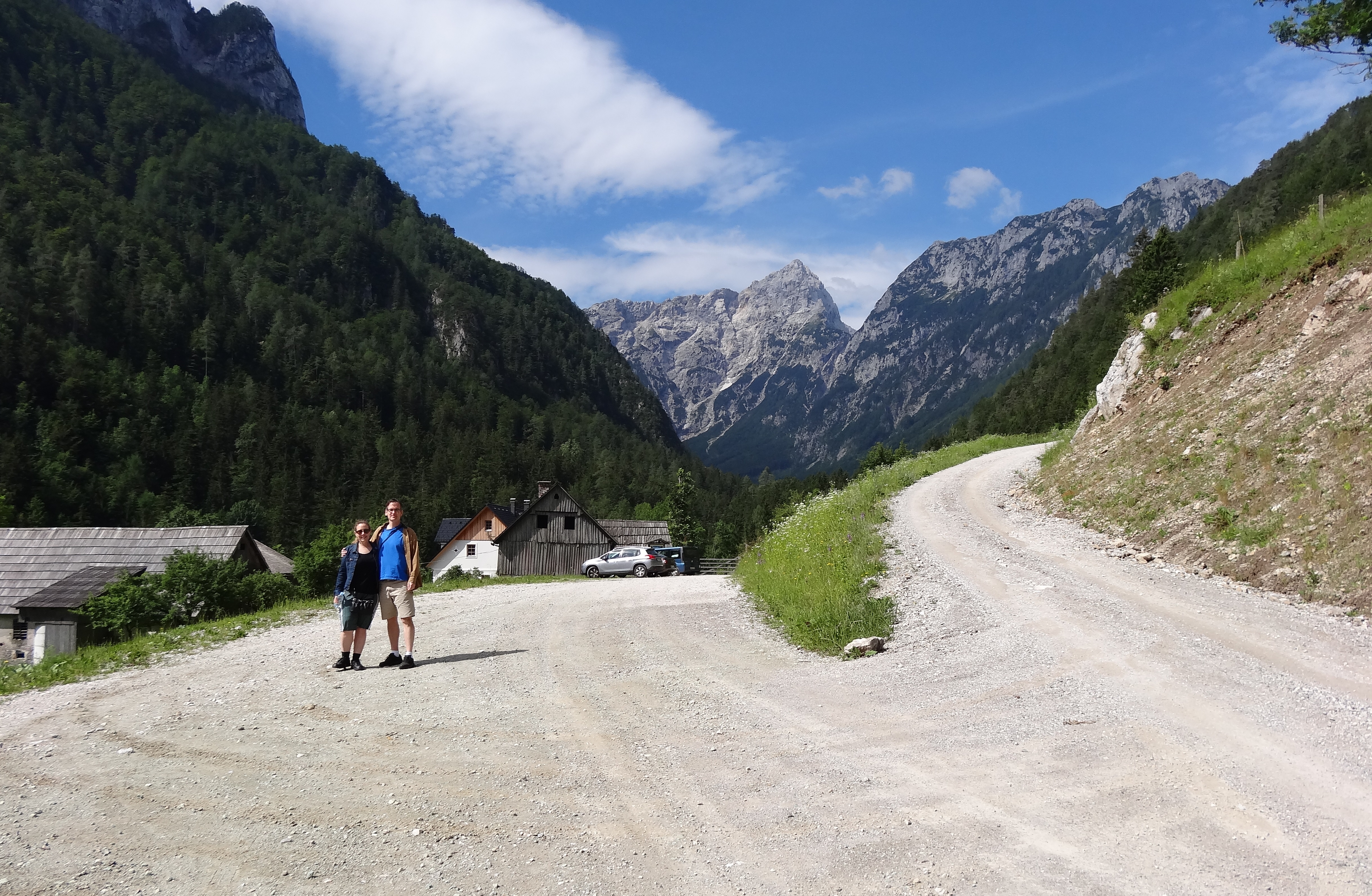
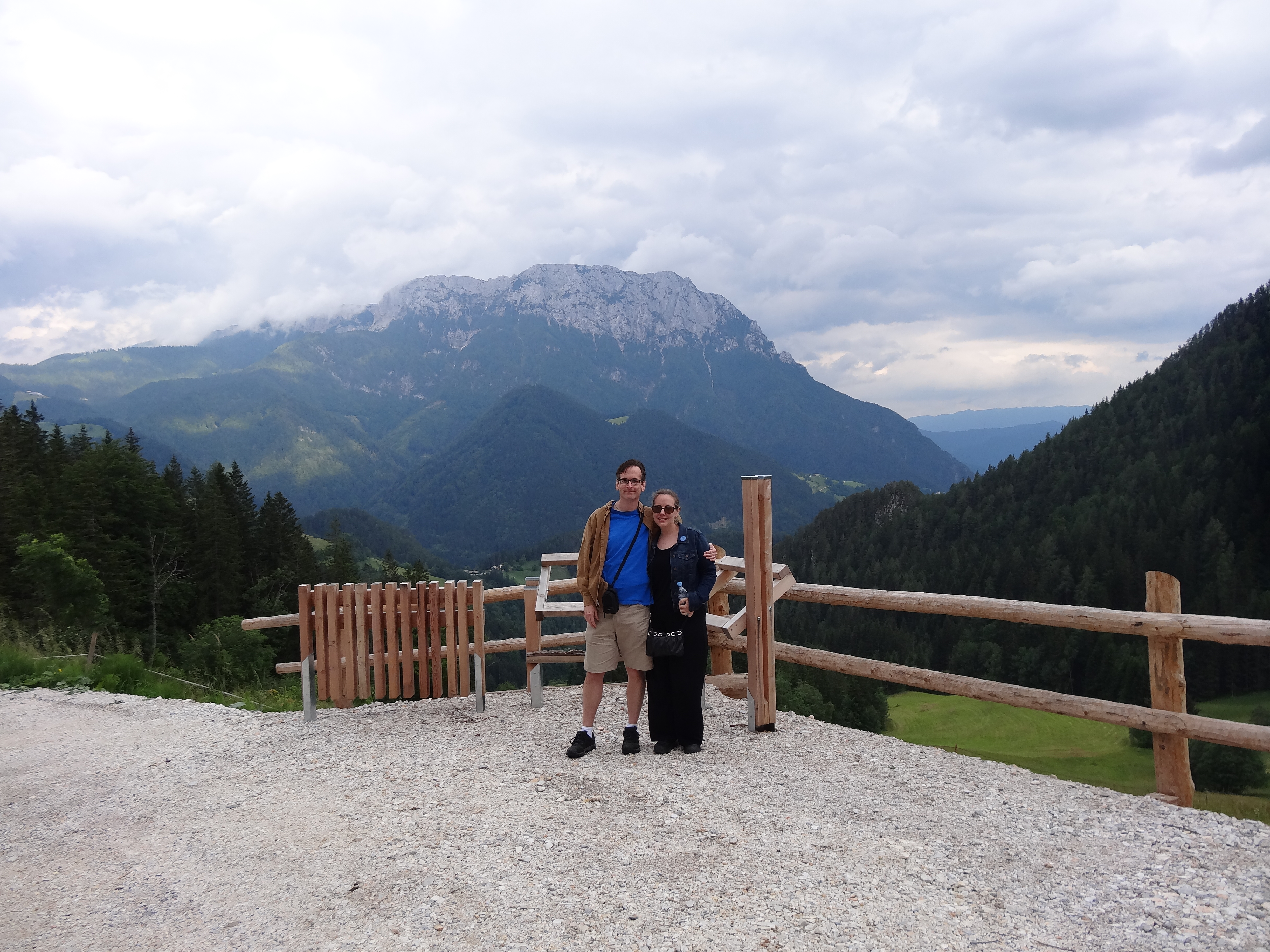
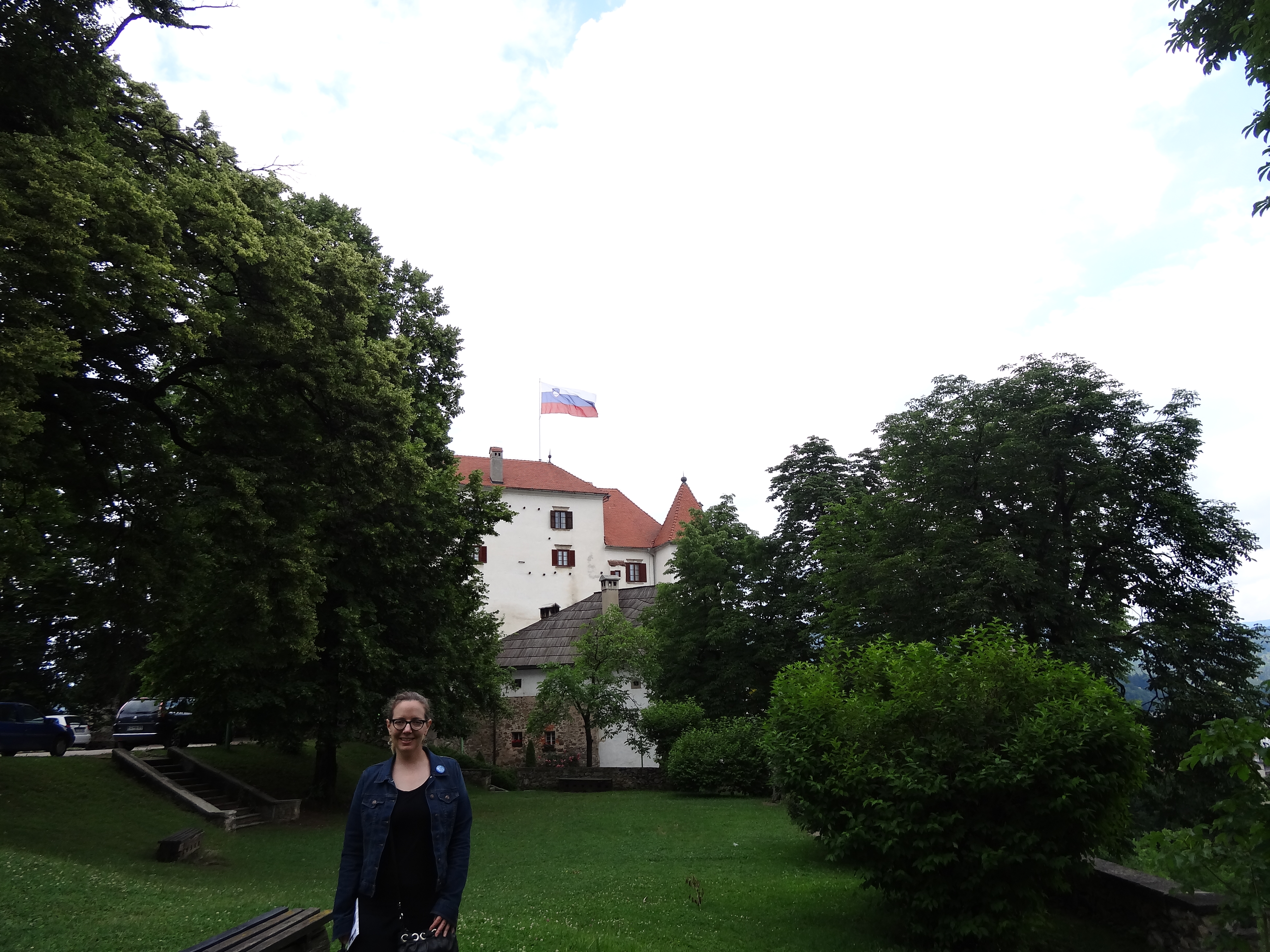
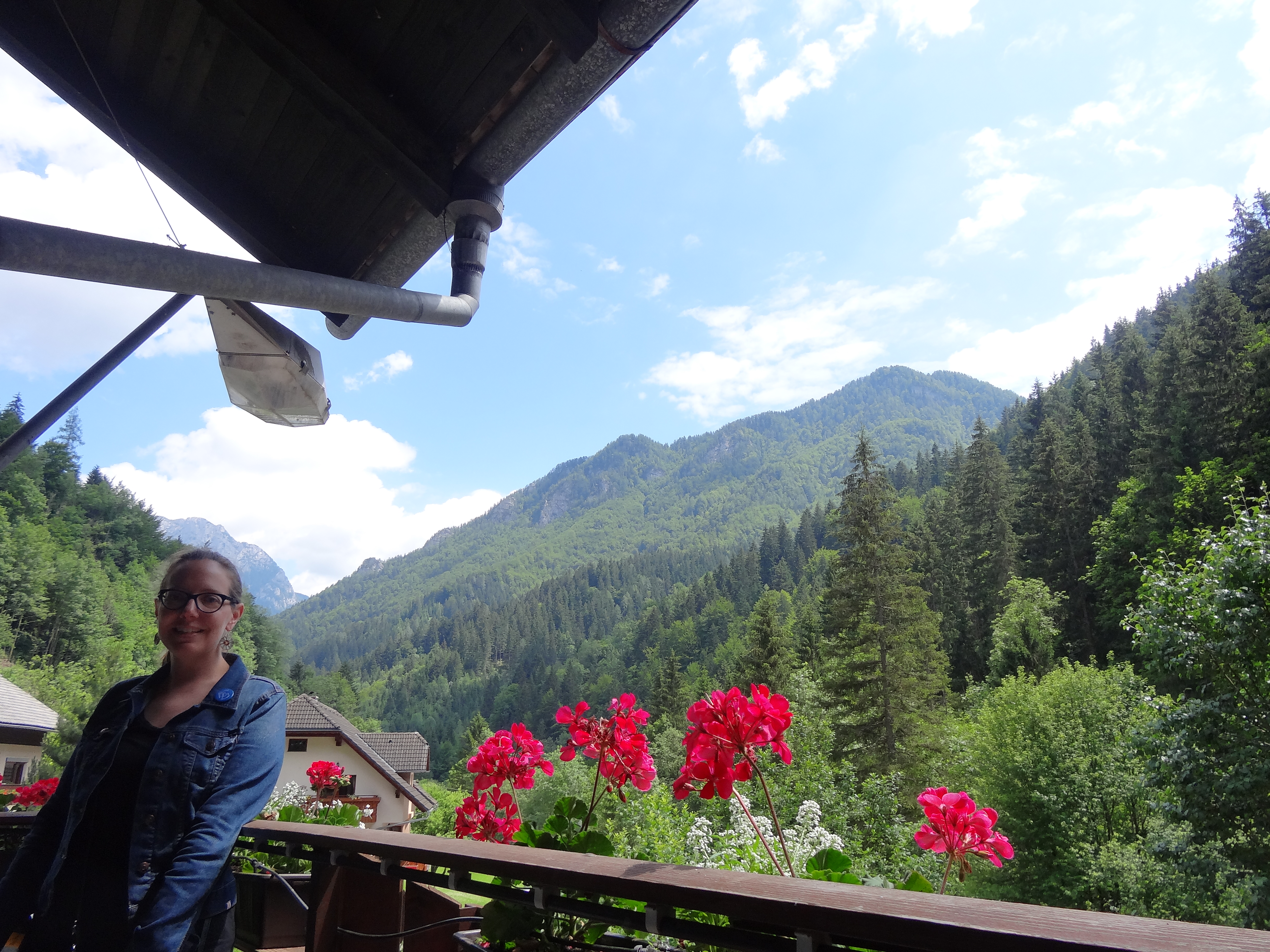
Dale was buried in a graveyard in Rockland, Maine. So, Meredith and I got to spend about a week in coastal Maine, with a one-day trip to see my family in Livermore Falls. Some quick highlights:
Dale’s Eulogy by Bob Ingram
Here is the last of the three eulogies given at Dale’s funeral. This one was given by his last boss, the headmaster of Geneva School in Florida, Bob Ingram.
Dale King made me a better man.
At St. Paul’s, I was Dale’s pastor, and he was a trusted elder who served and loved his fellow congregants well. His ministry was the care of souls; he delighted in rapt attention to the preached Word; he had a love of liturgy for its spiritual language; and he had the humility to sit under the teaching of men his junior.
Those of his own age and era found the cadence of his speaking, the rhythm of his words, and the poetics of his vocabulary to be friendly reminders of times past. Those younger than Dale found him admirable and came to understand what is meant by the phrase “requiem for a lost piety.” They knew his love of Jesus differed from theirs—it was richly deeper, more intimate, and that they were the poorer for their lack of reverence and devotional prayer.
As an elder at St. Paul’s Dale was wise, faithful, optimistic, a man of good cheer, theological astuteness, and never at a loss for many “not so whispered” quips during our deliberations. One left session meetings, as with any discussion with him, realizing he was a treasure trove of spiritual insight distilled in the literature of Christian authors of the English speaking world.
As an erstwhile poet who maintained he wrote “but doggerel on his best days,” I encouraged him to write hymns and spiritual lyrics for use in the church and The Geneva School. 18 years later, and as recently as Sunday in church, we continue to render praise in the words he penned. Current and future generations will frame their understanding of the Christian faith through his eyes, his metaphors, and his rhyme.
Dale was “old school,” which suited us all just fine. Being a Christian classical school we resonated with each other; our hearts beat in synch and especially for the humanities. Dale loved to teach and his students, being enamored of him and revering him so, loved to learn. Teaching did not tire him—if anything it energized him to fulfill his calling with all diligence. He had a warm affection for his students, and they knew that when he interrupted himself, raised his eyebrows, raised a pointed finger, that he was now going “off topic.” A foray into his own foibles, Irish poetry, George Herbert or Shakespeare would amaze them regarding his fertility of mind and imagination and wit, all given over to the pursuit of biblical faith.
His presence on our faculty legitimated all other faculty members. He gentled all of our conditions by his demeanor and cultivated aesthetic: Now, admittedly, he did not do this through his playfully irreverent quips—
“I’m here to fetch my woman.”
“Hey Bossman”
“This has been a grand gig to teach at Geneva”
Nor by his worn, stretched T-shirts, always untucked, and sagging shorts and sandals.
But his aesthetic contribution was in the beauty of a life well lived; in the fidelity of his love for Carlene and his unselfish devotion to her; his life flourished with fruit from his love of the arts, opera, literature, the theater, music, George Herbert, Bach cantatas, and the beauty of language that extolled a beautiful Savior.
He was a man of letters whose every correspondence I have kept on file, for each is worthy of a second reading. I was always astounded and humbled that he considered me his theological and grammar editor of all of his circular letters at Christmas, Easter, and celebrative occasions. He even sought my counsel on some rhyming schemes for a love poem he wrote for Carlene. In reflection I believe he did it not for any MODEST assistance rendered, but as a “nuanced nudge” that maybe I should endear myself to my wife even as he did to Carlene.
Dale King made me a better man, pastor, and Headmaster.
Mary commented that the years in Orlando may have been some of their happiest. Should that be the case, please know that Dale and Carlene were well loved, and always had ample affection for both St. Paul’s and Geneva.
Allow me to read to you a prayer I penned for both Dale and Carlene that was offered on their behalf the last Sunday they worshipped at St. Paul’s prior to moving back to Ohio:
O God, the sovereign disposer of the course of our lives, we pray to you this day with thankful hearts for the years that you lent the Kings to us. They have gentled all of our conditions; they have inspired us through literature with their wit, wisdom, and eloquence, the effect of which has enriched our souls. Do not permit us to squander the investment they have made in each of us; instead, O God, enlarge their legacy as the years pass by. You have seen fit to grant them over 100 years of teaching together, and they have delighted in fulfilling their calling with dignity and grace. Theirs has been a ministry to the Kingdom through the church and schools; may they who have worn a servant’s livery now receive from the kind ministrations of others.
Give them we ask, health and vigor and length of days—the enjoyment of life with their family in Ohio. May this next time of life be a comforting one in their Pilgrim’s Progress. By your good pleasure may they continue to grow in grace as they grow in age; use this as a sanctifying grace to the advantage of all who know and love them.
And O Father, given our low cultural estate, we would be remiss if we did not thank you for the fidelity of their marriage vows, the constancy of their love, and their mutual dependence upon one another. Preserve their sweet affection for each other in the years ahead. Continue, O God, your generous grace to them.
Through Christ our Lord, Amen.
And because it is so fitting for George Herbert to continue his poetic voice even in death, to death, this poem is offered in honor of Dale.
Death by George Herbert
Death, thou wast once an uncouth hideous thing,
Nothing but bones,
The sad effect of sadder groans:
They mouth was open, but thou couldst not sing.
For we considered thee as at some six
Or ten years hence,
After the loss of life and sense,
Flesh being turned to dust, and bones to sticks.
We looked on this side of thee, shooting short;
Where we did find
The shells of fledge souls left behind,
Dry dust, which sheds no tears, but may extort.
But since our Savior’s death did put some blood
Into they face,
Thou art grown fair and full of grace,
Much in request, much sought for as a good.
For we do now behold thee gay and glad,
As at Doomsday;
When souls shall wear their new array,
And all thy bones with beauty shall be clad.
Therefore we can go die as sleep, and trust
Half that we have
Unto an honest faithful grave;
Making our pillows either down, or dust.
Sweet 16!
I did miss posting this by one day, as our anniversary was yesterday, but I am very blessed to be married to my best friend. I really can’t imagine my life without Meredith in it (or, if I can, I imagine a very lonely life). I love you, Meredith! Here is to 61 more years.
Dale’s Eulogy (Don Hubele, former student and colleague)
Dale King studied the scriptures every morning of his life since his college days. He also loved reading the seventeenth-century English Puritans. A favorite, Richard Baxter said about death:
“If a man that is desperately sick today, did believe he should arise sound the next morning; or a man today in desperate poverty, had he assurance that he should tomorrow arise a prince: would they be afraid to go to bed?”
He loved reading Spurgeon, the magnificent Victorian pastor, who admonished:
“Never fear dying, beloved. Dying is the last, but the least, matter that a Christian has to be anxious about. Fear living… that is a hard battle to fight, a stern discipline to endure, a rough voyage to undergo.”
“A good character is the best tombstone. Those who loved you and helped you will be remembered when forget-me-nots have withered. Carve your name on hearts, not on marble.”
He loved the seventeenth- century British poets. His favorite, George Herbert, said:
“Only a sweet and virtuous soul,/ Like seasoned timber never gives./ But though the whole world turn to coal,/Then chiefly lives.”
John Donne, another seventeenth-century poet thundered:
“Death be not proud, though some have called thee/ Mighty and dreadful, for thou art not so…./ Death shall be no more ; death, thou shalt die.”
So. Why all the quotations? My heart is so broken that I cannot do this. Words….Words….Words!So inappropriate a medium for measuring immeasurable grief and loss. Forgive me. I must borrow language. I must borrow from the Apostle John who, under the inspiration of the Spirit of God, resorted to outrageous understatement in rehearsing the untimely loss of a beloved and respected colleague:
“There was a man sent from God whose name was John [the Baptist]. He was not that light, but was sent to bear witness of that light.”
In my life, and in the life of thousands of other students spanning the globe for over six decades: “There was a man sent from God whose name was Dale….” He, too, in the sovereignty of God, from before the foundations of the world, was sent to bear witness of Christ, the Light.
One of the best days of my life was an early fall morning in 1975 when I sheepishly stepped into Dale King’s Victorian literature class. A man with sparkling, dancing eyes; a robust beard; a winsome smile; a zest for life and literature. And—for the first time in my life—I thought I must have encountered a saint with the gift of glossolalia! He spoke in another tongue—the tongue of angels?— and with the voice of God. I was at the burning bush: I spent my first hour as a liberal arts undergraduate desperately trying to write in a notebook—phonetically—each polysyllabic nugget that dropped from his lips.
He kept me after-class that day. I was terrified that he was going to tell me that liberal arts education was reserved for scholars, not back-woods, ignorant hicks such as I. Instead, he leaned back in his chair and thanked me—with grace, charm, and elàn—for transferring to Malone from a nondescript, non-accredited Bible institute, and for picking up on the biblical allusions from his selection of Victorian essays for that first day. While wooing me in that sonorous Dale-King tone, he tipped too far in his chair, fell backward into a deft backward roll that any accomplished gymnast would have had to respect, picked himself up, returned to his chair, and, all the while, kept right on talking—didn’t miss a beat.
I fell in love. Hopelessly. Irrevocably. Soul-mates. Forever. My years at Malone, both as a student and, later, as a professor, were rich times, indeed: a few moments to rub shoulders with remarkable mentors in the Kingdom of Christ: Bob and Zovinar Lair, Burley Smith, John Bricker, Coach Bob Starcher, Carlene King. Never, however, had I met another man like Dale.
The poet, J. Frederick Nims, in “Love Poem” attempts to capture the essence of such a beloved one. Nims admits that his wife is “his clumsiest dear,” one who is “a wrench in clocks and the solar system;” that is to say, she is someone who is clearly not a candidate to host a home-repair show.
Neither was Dale. He was not the one to set the timing on your carburetor or to trim back the giant oak tree towering over your house. In the words of Nims, he had “no cunning” in fix-it situations, EXCEPT:
“Except all ill-at-ease figiting people.
The refugee uncertain at the door,/You make at home.
Deftly you steady the [broken, the reeling] on his undulant floor….
….Only/with words and people and love you move at ease
In traffic of wit expertly Maneuver/and keep us/all devotion at your knees….”
When I met Dale, I was hopeless. Raised in the shadows of the soot- belching smokestacks of Plant two of the Firestone factory in Akron, imagination was the only resource I had. It was the only escape one had from a world that seemed to have little opportunity, when all one ever saw was what was outside the front door. By high-school graduation, hope had been beaten out of me. I was broke, and I was broken. Ill-at-ease. Suicidal. God used Dale and Carlene to save my life, and to give me one. Dale tried his best to teach me literature but—far more than that—he gave me hope. (The apostle Paul insists in the conclusion of his letter to the Romans that we are saved by hope.) In the wonderful film Saving Mr. Banks, Walt Disney echoes the primacy of hope in a remonstrance to Pamela Travers, the author of Mary Poppins:
“That’s what we story-tellers do. We restore order with imagination. We instill hope again, and again, and again.”
What Dale did for me is redolent of a scene in Wendell Berry’s magnificent tale “Nearly to Fair,” in his book That Distant Land. In this story, a kind, gentle man comes across a small boy who has just been verbally abused (a staple in this child’s life) and left sobbing and cowering on the sidewalk. Dale, like the man in the story, looked at me in all my cowering, shivering, craven fear—looked into my bankrupt heart and announced to the whole world: “If you don’t mind, I’m going to borrow this boy for a while.” He picked me up, nestled me into his capacious heart—and he loved me.
More than my teacher, more than my dear friend, more than my most-loved colleague – he was my dad. To Dale, and the love of Christ that emanated from him, I owe everything. I would not have survived without him. Scores of his students surely must echo that same sentiment.
His crowning achievement, however, is that of winning the heart of his dear wife Carlene: She was my best teacher. Smartest person I know. The very definition of savoir-faire. An avatar of grace and charm.Her extension of friendship and love, one of the best things that ever happened to my wife.The final arbiter in all matters sartorial or gustatorial. I am ashamed in expressing my grief in front of her; I am faced with my selfishness. Forgive me, Carlene. Your grief must seem inconsolable.
Yet a little while, Carlene, and all of us who have tasted of the grace of Christ will re-unite with Dale in a place unencumbered by time or grief or doctor appointments, or medication. And Dale will have the Jordan Pond bars. And the party will begin.
Dale’s Eulogy (by Meredith)
As many of you know, my father was not a man given to linguistic excess: he had sufficient respect for the power of words that he would not use them lightly. For example, if he were eating a particularly delectable serving of prime rib, he would never have declared it “the best prime rib ever,” because he would have readily recognized the possibility that there might be still better prime rib out there somewhere.
I have inherited this penchant for linguistic precision, and showed signs of it even at an early age. Apparently, at some point during my younger years, I told my father something to the effect of “Daddy, of all the fathers I know, you’re definitely in the top five.” Far from being insulted, he was both delighted and touched, because he recognized that this was no mere outpouring of well-meaning but childish hyperbole; it was a carefully considered declaration of my affection.
I have also inherited my father’s — and mother’s — love of literature, and my husband claims that I can’t get through a day without quoting some of it (my response to this assertion was “Why would I want to?”). I turn to literature for entertainment, but also for edification and encouragement, which is why I chose to include excerpts from certain poems in today’s program.
In the first poem, “Death, Be Not Proud,” John Donne is essentially challenging Death, telling Death, “You may think you’re all strong and tough, but you’re really not that impressive — or permanent — after all.” In Anne Bradstreet’s “As Weary Pilgrim,” Bradstreet builds on the idea of the transience of life and death through the Biblical metaphor of Christians as pilgrims traveling on a journey to heaven. Like my father, Bradstreet lived long enough to grow weary of the physical as well as spiritual challenges of this world, and eagerly anticipated moving on to the next world. Bob Lair, one of my father’s closest friends, who passed away a few years ago, offers a more recent perspective on this concept. I especially love the image of being “catapulted into the arms of Jesus.”
I know that not everyone shares my family’s fondness for poetry, but I do hope that over the next few days, you’ll take some time to read over these excerpts on your own, and let the wisdom and beauty of these poets’ words minister to you. However, whether you do or not, I’d feel remiss if, at a service for my father, we didn’t read at least one full poem aloud, so let’s take an extra minute or two now for the final poem mentioned in the program, by my father’s favorite poet, George Herbert:
Death
By George Herbert
Death, thou wast once an uncouth hideous thing,
Nothing but bones,
The sad effect of sadder groans:
Thy mouth was open, but thou couldst not sing.
For we considered thee as at some six
Or ten years hence,
After the loss of life and sense,
Flesh being turned to dust, and bones to sticks.
We looked on this side of thee, shooting short;
Where we did find
The shells of fledge souls left behind,
Dry dust, which sheds no tears, but may extort.
But since our Savior’s death did put some blood
Into thy face,
Thou art grown fair and full of grace,
Much in request, much sought for as a good.
For we do now behold thee gay and glad,
As at Doomsday;
When souls shall wear their new array,
And all thy bones with beauty shall be clad.
Therefore we can go die as sleep, and trust
Half that we have
Unto an honest faithful grave;
Making our pillows either down, or dust.
Herbert beautifully understands a point that C. S. Lewis makes in his novel The Screwtape Letters. The premise of this novel is that the character Screwtape is a senior demon with a long and successful history of tempting humans and keeping or leading them away from God, and now Screwtape is writing letters to his nephew, Wormwood, an inexperienced junior tempter who needs his assistance. Since the novel is set in wartime, young Wormwood is excited about the death and destruction, but Screwtape warns him that death is only to their demonic benefit if those who die are not Christians. He notes of humans that “They, of course, do tend to regard death as the prime evil and survival as the greatest good. But that is because we have taught them to do so. Do not let us be infected by our own propaganda.” As Herbert attests, death may indeed be the “prime evil” if we “look on this side of” it. And as Screwtape recognizes, death is also the “prime evil” for anyone who hopes to be saved by his own merits, or for any reason other than Christ’s sacrifice.
However, my father did not believe hell’s propaganda, did not think of death as the “prime evil.” He knew that, as a flawed human being, he would see heaven only by trusting in Christ’s blood, shed for our sins and validated by Christ’s resurrection. Yet because he did have this faith, he was not afraid to die; he saw death as “fair and full of grace … much sought for as a good.”
My father would have said his sins were many — and I think we could each say the same of ourselves, seeing our own hearts more clearly than even the people closest to us can. But most of what I saw in my father was worthy of praise, admiration, and emulation. I’ll close with these two examples my mother shared with me just the other day….
“Soon after I married your father,” she told me, “we were at a picnic for the children of our church, and someone got into a bee’s nest. I just grabbed the nearest kid and ran, and others were doing the same — but when I looked back, there was your father. He was standing over the nest, letting himself get stung multiple times, until everyone else could get a safe distance away. This showed me the character of the man I had married.”
My mother then noted that even after forty-five years of marriage, his character had stayed much the same. “In recent months,” she said to me, “I’ve often had physical issues that required me to ask for his help, and if he was sleeping, I’d have to wake him up. Whenever I did, he’d always turn to me with a kind smile, as if to say, ‘I’m so glad to see you.'”
When my mother shared these examples with me, I cried, and am crying now as I type them up, and may cry again when I hear them read. My father often said, “The best gift a father can give his children is to love their mother.” I don’t think he was the origin of this insight, but he certainly lived it on a daily basis.
Out of respect for his and my aforementioned linguistic precision, I’m still not positive I could say he was the absolute best father in the world … however, it’s very hard for me to imagine a better one.
Dale King, 1930 – 2014
Meredith’s dad, Dale, did pass away on Sunday, June 22nd. We were still en route to Dublin to catch a plane home. We got home to our house around 11:45 Monday night. That was not a terrible thing – we did not have to see Dale sick in his hospital bed. Aunt Mary and Carlene (Meredith’s mom) were there, and they sang hymns as Dale’s breathing slowed and then stopped. It sounded very peaceful, and we got home soon enough to start to help with the planning for calling hours and a memorial service. Dale will be laid to rest in Carlene’s family plot in Maine, so we will be up there as well.
Here is what Meredith wrote for the obituary for her dad:
Dale Barton King, age 84, made the final steps of his earthly pilgrimage on Sunday, June 22, 2014. Born to Frank and Mary King in Flint, Mich., he is survived by his brother, Frank King; his sister, Mary King; his wife, Carlene Wooster King, and their daughter, Meredith King Riordan and her husband, Matt.Though he had not originally intended to become an English professor, those who knew him would have been hard pressed to imagine his having become anything else. Upon realizing his desire for a liberal arts education, Dale transferred from Kansas City Bible College to Bob Jones University. After earning his undergraduate degree from Bob Jones, he did graduate work at both the University of Michigan and the University of Virginia, where he was a DuPont Fellow. He began his professorial career at Bob Jones, but spent the majority of it at Malone College (now University), including a year as an exchange professor at Hong Kong Baptist College, which prompted a Malone student to complain, “Why are they sending one of the best teachers away?” Following his retirement from Malone in 1995, he and Carlene moved to Casselberry, Fla.; however, rather than taking up fishing or golfing, he found himself returning to the classroom, this time at The Geneva School. Initially filling a mid-year need for a junior high history teacher, he ended up teaching high school English at Geneva for over a decade, not truly retiring until the age of 80, and considering his time at Geneva to have been a delightful and rewarding postscript to his teaching career. His love of literature was superseded only by his love for his family and his Lord. He cherished his wife throughout their 45 years of marriage and raised a daughter who has been greatly blessed by his wisdom, encouragement, and example. Throughout his life, he sought to
know God better and to communicate this knowledge to those around him. During the 70s and 80s, he served as a part-time pastor at New Baltimore Community Church in New Baltimore, Ohio, and was most recently a grateful and enthusiastic member of St. Paul’s Presbyterian Church in Orlando, Fla.. Those who had the privilege of knowing Dale will miss his spiritual insights, his sense of humor, and his annual Christmas letters that sent most readers running to the dictionary multiple times.Funeral services will be conducted at 11 a.m. on Tuesday, July 1, at Mt. Pleasant Church of the Brethren, 4152 Mt. Pleasant Rd., North Canton, with the Rev. J. Ken Baker officiating. Calling hours will be held on Monday, June 30, from 5-7 p.m. at the Schneeberger Funeral Home, 2222 Fulton Rd. NW, Canton. Burial will take place in Rockland, ME. In lieu of flowers, memorial gifts may be made to The Geneva School, 2025 Florida 436, Winter Park, FL 32792 (or online at www.genevaschool.org), or to
Ireland Day 10, Sunday – Donegal to Dublin
We started this Sunday off by going to church at a Methodist church in Donegal. The people were very friendly, and the service was quite nice. The pastor had a children’s lesson on gift-giving through the last hundred years, from cloth wrapping to brown paper to fancy wrapping paper. All three gifts contained the name “Jesus” and the point was that God gave us a great gift in the form of Jesus, who has stayed the same through the ages. The actual sermon was quite good as well, with the passage being based on two passages – one when Jesus washed the disciples’ feet, and the other when Peter, John, and some others go fishing, and then come to shore when Jesus tells them where to cast their nets to catch a large number of fish. The point of the sermon was that Jesus calls us “to get out feet wet.” We should be serving each other, and looking to engage the area in which God has put us. We should see the beauty around us and be thankful for it, and we should try to share that beauty.
After church, I checked my e-mail. I had a message from Aunt Mary that indicated that Mer’s father, Dale, was quite ill and in intensive care in the hospital. I used Skype on the computer to call home, and after talking with Aunt Mary and doctors at the hospital, we decided we should make every effort to get home efficiently. Our B and B hostess was out, so we took a walk out to the river in Donegal, and walked along the lower walking area along the bay for a little ways. We had a very good view of the bay. We headed back to the B and B, where we found our hostess there, so we explained everything to her. Before going to the airport, I decided to try to see if we could get tickets, so we managed to book tickets on Aer Lingus for tomorrow (Monday). That was a huge relief. Marie, our hostess at the Water’s Edge B and B, only charged us for two nights (it was 3:00 in the afternoon, so she could have charged us for another day). I strongly recommend Marie’s place if you ever get to Donegal.


What followed was about four hours of pretty driving to get us to Dublin. We dropped off the car and got a shuttle bus to the airport and then a shuttle bus to our hotel. By then, it was about 7:30. We still needed to eat, so we got a cab to Grafton Street in downtown Dublin, where we ate at the Gourmet Burger Kitchen restaurant, which seems to be a chain (at least, we ate at one in London a few years ago).
After supper, we wandered down Grafton Street to Stephen’s Green, a large park in the middle of the city. We wanted to get a picture of the statue of the poet Yeats that is there. To our surprise, the park was locked. It is enclosed by a fence, and there was no way in. It must close at 9:00 or so (it was 9:05).
Disappointed, but undeterred, we headed over to another nearby park to get a picture of the statue of Oscar Wilde. Happily, we got there five minutes before the park closed, so although we could not enjoy the park, we did get the photo.
We also wanted to see the grounds of Trinity College. We knew the buildings would be locked, but the grounds were also walled in, and we saw no way to get in. Lastly, there was a statue I wanted to get a picture of – one of Molly Malone. There is an Irish song about a young woman who sells seafood, and her name is Molly Malone in the song, and there was a statue of her on Grafton Street. Note the “was” — because of construction, the statue was moved. It was only moved two blocks away, but we did not know that until I checked when we got back to the hotel. We went 1-for-4 in Dublin, but it was still a good evening to walk about, especially where we could not do any good in the hotel (as far as getting home).
So, if all goes well, we should be back in Toronto around 4:30 tomorrow, and then have to clear customs before driving the five hours back home.
Ireland Day 9, Saturday – Beg Bound
One of the gems of traveling is the unexpected, especially when it involves people delighting you in unexpected ways. Today, after a later start, we headed west to the edge of Donegal, to the tiny town of Malinbeg. Malinbeg is home to the Silver Strand, an amazing beach towered over by hills on three sides. We took the stairs down to the beach, where there was a group of late-teens playing some kind of ball game. As we approached, it became obvious that these very Irish kids were playing American baseball. With a tennis ball. And a cricket bat. And their diamond looked more like a trapezoid. And at the end of an inning, one team declared that it had “four points.” And they were having a great time playing, and we loved watching them and listening to them more or less get the rules mostly right. What a wonderful moment.
The beach was great too. We walked the length of it, and we marveled at how the sheep were grazing on what to us appeared to be impossible angles on the sides of hills. The sun was warm when it came out from behind the clouds, and there was a steady, easy breeze. We loved it — what an amazing spot in which to be. It was recommended to us by an Irishman we met fourteen years ago, and I still had his e-mail. He was kind enough to send a reply, and strongly recommended Malinbeg, where he was born. I am deeply grateful that he told us to go there.
After we made the long climb back up the stairs, we headed over to the nearby town of Glencolmcille. We had been in Glencolmcille briefly fourteen years ago, but had only seen a little of the place. This time we stopped at the local folk village, a small museum of seven houses that showed how Irish houses looked in the eighteenth century, from around 1850, and from the early twentieth century. All the houses had thatched roofs, but the later they got, the bigger they got. Some of the same things popped up that we saw in the Muckross Farm houses on Thursday, such as the children sleeping inside a bed/bench in the main room of the two-room house. We also learned about Father McDyers, who was a local priest who encouraged the town to build the folk museum as a way to encourage tourism and help make local jobs. He also pushed to get the town electricity and running water in the 1950s. He seemed like a very good man.
We ate a quick lunch at the folk museum tea room, and then we tried to drive into the valley to find a cool-looking church we could see from a distance, but we took a wrong turn and were guided by signs toward St. Colmcille’s chapel, which took us down a very narrow road that dead-ended at a house at the foot of a large hill. I had remembered that hill from our last visit because we had tried to climb it, but realized we were running out of daylight. This time, I just turned the car around, and we found the church we were seeking, which was a small, pretty Church of Ireland church, surrounded by an old, but still-in-use, graveyard. The church was also only about fifty yards from a carved standing stone that looked to be pre-Christian.
After Glencolmcille, we drove over to a sight recommended to us by our friend Jenny and her husband Dan — the cliffs called Slieve Leauge. The locals claim they are the tallest sea cliffs in Europe, but that is debated (Wikipedia has them listed at sixth place). Regardless, they are tall, at 601 meters (1970 feet). They’re easy to get to, depending on how much walking you want to do. We parked at the first parking lot, which leaves about a twenty-minute walk. You can drive up to the viewing area and save the walk, but the road is narrow in many places, and there are many hikers about. Plus, it is a beautiful walk.
The cliffs are very dramatic. They also stretch on for a long time, jutting out into the sea. You can actually climb up to the top of them, and walk along the spine of the cliffs (which fall away on both sides in some places) on a trail called One Man’s Path. Needless to say, with my fear of heights, I did not attempt that. I did marvel at the tiny silhouettes of the people walking up on the edge. We stayed on the safe observation platform, and then climbed as high as the protective fence went. There, I turned around and went back to a bench to sit. Mer went a little bit higher and found a rock on which to sit and contemplate the cliffs.
After the return trip to the car, it was about 6:00. So, we drove the scenic ocean road back to near Killybegs, and from there took the major road back to Donegal. We dropped the car off at the B and B, and walked to town, where we ate at an Italian restaurant. We grabbed a couple of pastries from a shop, and ate them sitting next to the water back at the B and B, while we lavished attention on one of the outdoor rescue kitties that live around the B and B. By then, it was time to get ready for bed.
Ireland Day 8, Friday – A Day in Transition
Mer officially handed off “being in charge” to me this morning. So, for better or worse, I have to make the decisions for the last week of our vacation. I got off to a rocky start.
We slept in as long as we could at the hostel this morning, and then grabbed breakfast in town (Kenmare) at a very cute cafe off of a side street. That was a good decision. Plus one for Our Hero.
After we checked out of the hotel, we got in the car and headed back to the Killarney National Park one more time. It was on our way (north), and I really wanted to see the last major sight we had missed – the Muckross Abbey, near the Muckross House. Before we got to the house, we did a quick stop at the Ladies Overlook again, to look at the view one more time, but also to get a good picture of both of us in front of that magnificent country.
We parked at the Muckross House parking lot and walked to the Abbey, which took about ten minutes. It was well worth a stop. The Abbey was forcefully abandoned under Cromwell in the late 1600s, so it is in ruins now, but the walls are still standing. The Abbey does not look too impressive as you approach it, but it turns out the complex is quite large. The Abbey was built around a courtyard which contains an ancient yew tree. The building was two stories in most places, and there was a four-story bell tower, which was unfortunately closed. The Abbey was full of low doorways and mysterious-looking stairs, and I had a ball exploring it. Plus two for Our Hero.
Then came the Long Drive. I wanted to get to Donegal before evening, and that is about a six-hour drive. But I wanted to stop in Lisdoonvarna to eat at a pub highly recommended by my brother and a friend of his. That would make the drive closer to seven hours, plus the time it would take to eat. Still, that was possible.
We got to Lisdoonvarna around 3:00, and found the pub/restaurant Shannon had mentioned. The door was locked, so we looked for another way in. While we were doing that, another man came up and someone opened the door for him, so we went back, only to find that the bar only does dinner. So we had gone an hour out of our way and could not eat there. Minus one for Our Hero. Happily, it gave us an excuse to drive along the border of the Burren, a desolate limestone area that is stark but beautiful.
Fast-forward several hours. After a long drive north, along which we saw some pretty mountains north of Sligo (including the poet Yeats’ favorite mountain, the distinctive Ben Bulben), we arrived in Donegal. It was about 7:00, and Donegal was much bigger than I had remembered (not huge – just bigger than I’d remembered). I beat a hasty retreat out of the town center and went back to a B and B for which I had seen a sign, and it turned out to have a room. It also had the bonus of being on the bay, which was quite lovely.
We walked into town to get supper, and picked a great-seeming restaurant. The food was good, but it took about forty minutes for me to get a burger and Mer to get a cup of soup. That was frustrating, and I’m not sure what took so long.
We got back to the B and B and jumped in the car to drive another forty minutes west, to the small town of Kilcar, to go to a pub to hear a musician we met the last time we were in Ireland, fourteen years ago. We found the pub around 10:15 (the singer was supposed to go on at 10:00), but we were surprised to find the pub empty except for the barkeeper. The owner of the pub, a very friendly man, came in after a few minutes to explain that the singer could not make it. Minus one for Our Hero again. We did get to chat about the Donegal area with the owner for about twenty minutes. It was a long drive back, and we did not get back to the B and B until about 11:15.
Happy note there – there was still just enough daylight to make out the bay, so we sat and watched it for a minute or two, until Mer declared it was cold, so we headed in. Overall, not the greatest day of touring, but not terrible – I count myself coming in at a score of zero for the day. But we are in Donegal, which was the goal, so I hope to have more successful days coming in the next few.